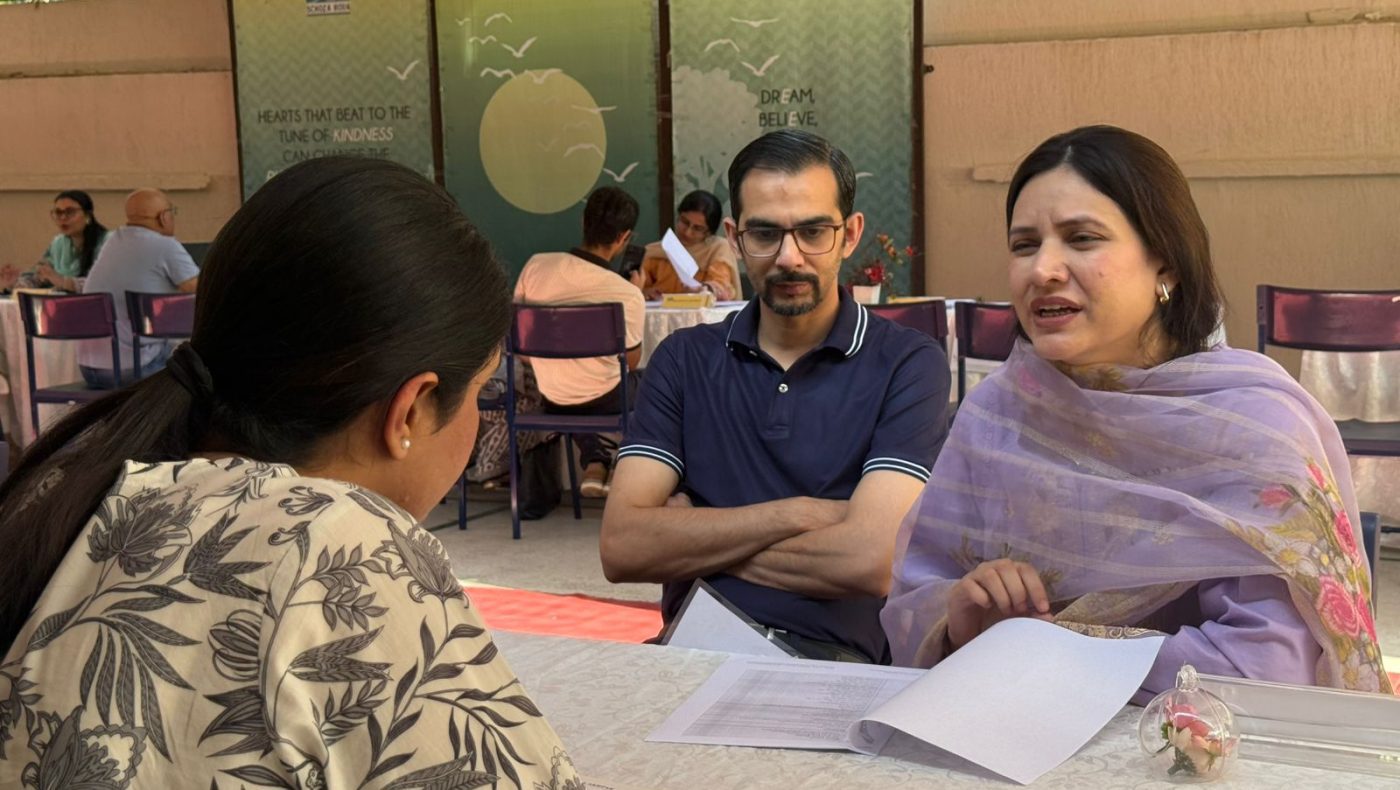
Parent–teacher meetings are often marked on the calendar with mixed emotions. Some parents look forward to them with curiosity, others approach them with quiet anxiety, and many arrive unsure of what exactly they should ask. Yet, these meetings hold immense value when approached with intention.
Within the learning culture of Schola Nova, one of the best schools in Islamabad, parent–teacher meetings are viewed not as evaluations or fault-finding exercises, but as meaningful conversations—moments where adults who care deeply about a child come together with a shared purpose: understanding, supporting, and guiding that child’s growth.
When parents move beyond surface-level questions and engage in reflective dialogue, these meetings become powerful tools for academic progress, emotional wellbeing, and long-term development.
Reframing the Purpose of a Parent–Teacher Meeting
The most common question asked at parent–teacher meetings is simple and sincere:
“So, how is my child doing?”
While this question is well-intentioned, it is often too broad to invite meaningful insight. It can result in general responses such as “doing well,” “needs a little focus,” or “average for the class,” without offering parents a deeper understanding of their child’s learning experience.
A more effective approach is to treat the meeting as a two-way dialogue, where thoughtful questions lead to clarity, direction, and shared action. Parent–teacher meetings are not about comparison with other students; they are about understanding this child—their strengths, struggles, habits, emotions, and potential.
Academic Progress: Looking Beyond Grades
Academic progress is often reduced to grades, test scores, or rankings. While these indicators have their place, they tell only part of the story. True learning is shaped by confidence, curiosity, consistency, and comprehension.
Questions That Open Meaningful Discussion
Instead of focusing solely on marks, parents may consider asking:
Which subjects does my child feel most confident in, and why?
Confidence often signals engagement and understanding. It also highlights areas where motivation can be leveraged.
Are there any concepts or skills my child is currently finding challenging?
This allows parents to identify struggles early, before they become discouraging patterns.
How does my child approach learning tasks—independently, hesitantly, or with reassurance?
This provides insight into learning style and emotional responses to academic demands.
What type of learning suits my child best: visual, hands-on, discussion-based, or reflective?
Understanding learning preferences helps parents support study routines more effectively at home.
What is one academic habit we can reinforce at home this term?
Small habits—reading regularly, revising independently, or organising work—often matter more than extra tutoring.
These questions shift the focus from performance to process, helping parents support learning in a way that feels encouraging rather than pressurising.
Social and Emotional Development: Supporting the Whole Child
A child’s school experience is shaped just as much by relationships and emotional wellbeing as by academics. Confidence in class, friendships, resilience, and self-expression all influence learning outcomes.
Questions That Explore Emotional and Social Growth
Parents may find it helpful to ask:
How does my child interact with peers during group work or informal activities?
This provides insight into collaboration skills, friendships, and social comfort.
Does my child participate confidently in class discussions or hesitate to speak up?
This can indicate self-confidence, communication comfort, or fear of making mistakes.
How does my child respond to challenges, corrections, or feedback?
Responses to feedback reveal resilience, mindset, and emotional regulation.
Have you noticed any changes in my child’s mood, behaviour, or engagement recently?
Teachers often observe subtle shifts that parents may not see at home.
Is there anything we can do at home to strengthen emotional resilience or confidence?
This reinforces the idea that emotional development is a shared responsibility.
When emotional wellbeing is supported, children feel safer to take risks, ask questions, and engage fully in learning.
Understanding Learning Behaviours and Classroom Engagement
Not all challenges are academic in nature. Sometimes, learning difficulties stem from attention, organisation, motivation, or classroom behaviour.
Questions That Clarify Learning Behaviours
Consider asking:
How does my child manage focus and attention during lessons?
Do they complete tasks independently or require frequent prompting?
How do they manage time, instructions, and transitions between activities?
Are there any classroom strategies that seem to help my child stay engaged?
These insights help parents align home routines with classroom expectations, creating consistency and reducing frustration for the child.
Strengthening the Home–School Partnership
One of the most valuable outcomes of a parent–teacher meeting is clarity on how home and school can work together. Learning does not stop at the classroom door; it is reinforced through routines, conversations, and attitudes at home.
Questions That Build Consistency
Parents may ask:
What can we do at home to support learning and overall wellbeing?
Are there any books, activities, or hobbies you would recommend based on my child’s interests?
Is there one key focus area we should prioritise at home this term?
Rather than trying to “do everything,” focusing on one or two meaningful areas often leads to better outcomes.
Shifting the Tone: From Anxiety to Collaboration
Parent–teacher meetings are most productive when they are:
Teachers bring professional expertise and classroom perspective. Parents bring deep knowledge of their child’s personality, history, and emotional world. When these perspectives come together with mutual respect, the child benefits most.
Approaching the meeting with curiosity rather than defensiveness allows space for honest conversation and shared planning.
Preparing for the Meeting as a Parent
To make the most of a parent–teacher meeting, parents may consider:
Reflecting on what they have noticed at home—changes in mood, motivation, or routine
Writing down key questions beforehand
Listening actively without interrupting or immediately problem-solving
Asking for clarification when needed
Ending the meeting with a clear understanding of next steps
Even a short meeting can be impactful when approached thoughtfully.
A Shared Commitment to Growth
Within Schola Nova’s educational philosophy, parent–teacher meetings are seen as checkpoints in a child’s journey—not moments of judgment, but opportunities for reflection and alignment—making it the best school in Islamabad not only for early years but also the best school for IGCSE.
By asking intentional questions, parents demonstrate to their children that learning is valued, effort is recognised, and growth matters more than perfection. Children who see adults working together on their behalf feel supported, understood, and motivated.
Conversations That Shape a Child’s Journey
The most meaningful parent–teacher meetings are not defined by how long they last, but by the clarity they create. When parents ask thoughtful questions and listen with openness, they gain insight into their child’s academic progress, emotional wellbeing, and learning habits. This is what makes us stand exceptional as an institute in Pakistan and have ensured excellent quality in education.
These conversations help families move forward with purpose—reinforcing strengths, addressing challenges early, and nurturing confident, reflective learners.
In the end, a successful parent–teacher meeting is not about hearing how a child is doing; it is about understanding why, and knowing how best to support what comes next.