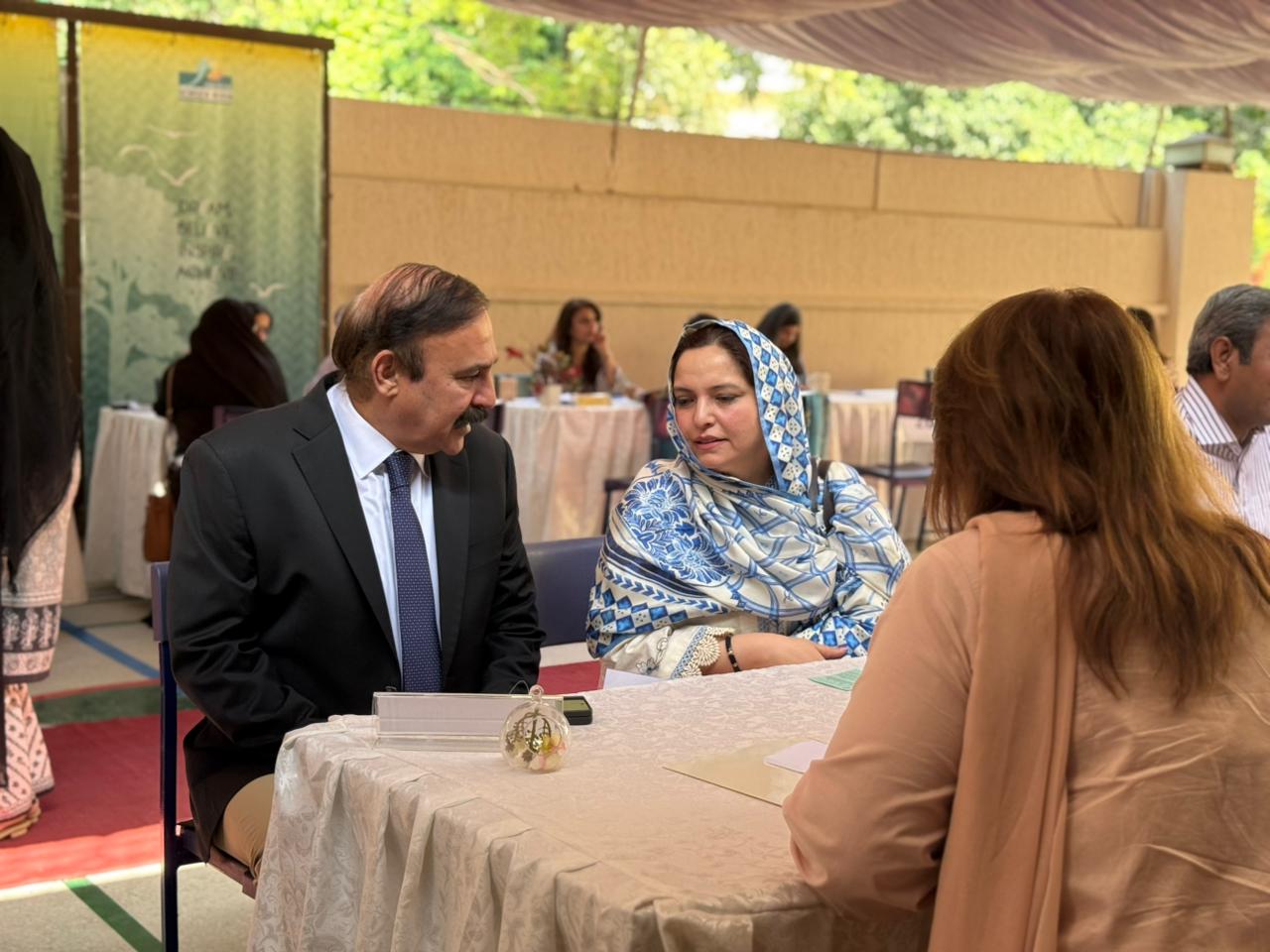
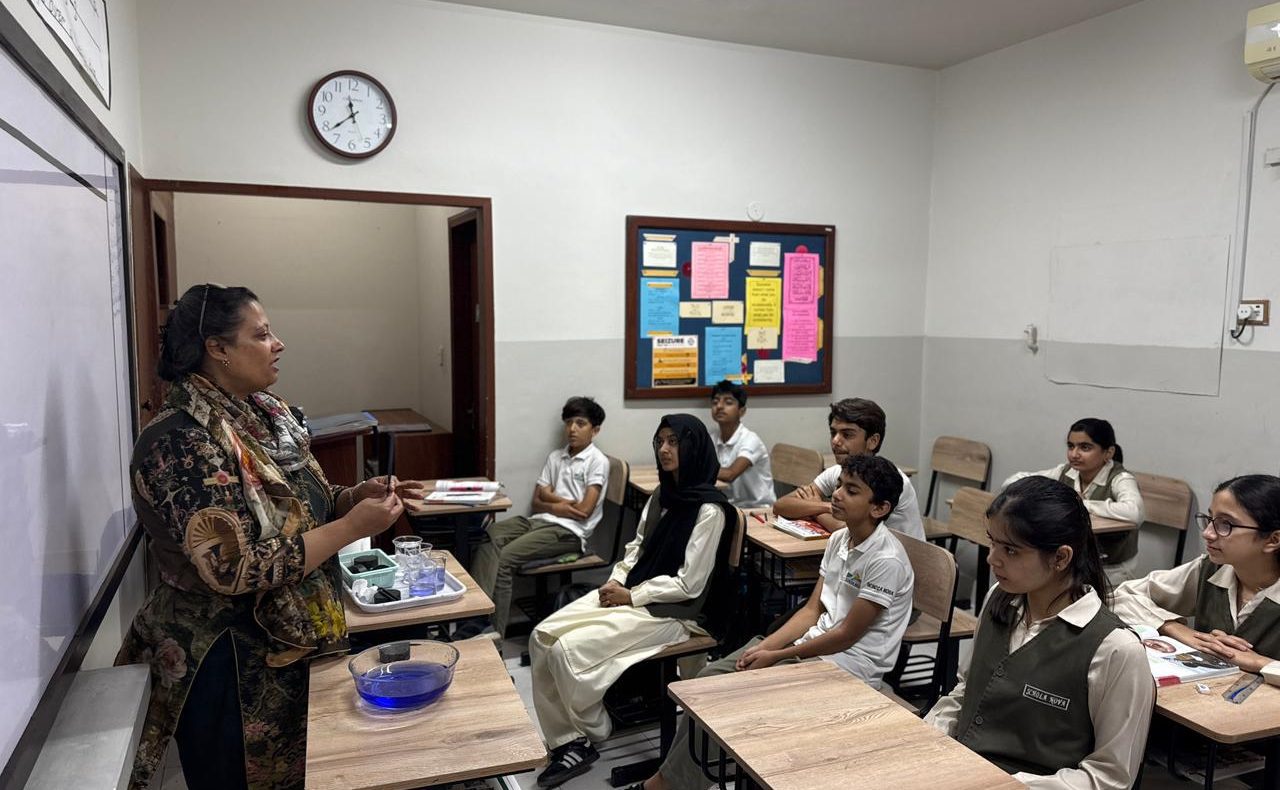
Smaller Classes Bigger Opportunities: The Benefits of Private Schools

Choosing the right school is one of the most important decisions a parent can make. Beyond curriculum and facilities, one factor that often shapes a child’s experience is class size.

The idea behind smaller classes and bigger opportunities is simple. When students receive more individual attention, they are more likely to grow academically, socially, and emotionally. This is one of the key reasons why many parents searching for the best school in islamabad or a top school in islamabad consider private education.

At Schola Nova, we have seen how smaller class sizes can transform the learning experience and help students reach their full potential.


Why Class Size Matters in Education

In a smaller classroom, teachers are able to focus on each student more closely. This creates an environment where learning becomes more personal and effective.

Students are not just part of a group. They are recognised as individuals with unique strengths, challenges, and learning styles. This level of attention is difficult to achieve in larger classrooms.


More Individual Attention for Every Student

One of the most immediate benefits of smaller classes is the ability for teachers to give personalised support.

At Schola Nova, teachers can:

  • Identify learning gaps early
  • Adjust teaching methods based on student needs
  • Provide timely feedback

This ensures that no student is left behind and that each learner progresses with confidence.

For parents exploring a best cambridge school in islamabad, this level of attention is often a deciding factor.


Stronger Student Teacher Relationships

A smaller class allows meaningful relationships to develop between students and teachers.

When students feel comfortable with their teachers, they are more likely to ask questions, share ideas, and seek help when needed. This creates a supportive environment where learning feels safe and engaging.

At Schola Nova, we believe that trust between teachers and students plays a key role in academic success.

Increased Participation and Confidence

In larger classrooms, some students may hesitate to speak or participate. In smaller groups, every voice has space to be heard.

Students are encouraged to:

  • Take part in discussions
  • Present their ideas
  • Engage actively in lessons

This not only improves understanding but also builds confidence and communication skills that are essential for future success.


Better Academic Outcomes

Research and experience both show that students in smaller classes often perform better academically.

With fewer distractions and more focused teaching, students can:

  • Understand concepts more clearly
  • Receive detailed guidance
  • Improve their problem solving skills

This is particularly important in structured systems such as a cambridge school in islamabad, where depth of understanding is essential.


A More Focused Learning Environment

Smaller classes naturally create a calmer and more organised learning space.

Teachers can manage the classroom more effectively, and students are less likely to feel overwhelmed. This leads to better concentration and improved behaviour.

At Schola Nova, we design our classrooms to support focus, allowing students to make the most of every lesson.


Greater Opportunities for Personal Growth

Education is not only about academics. It is also about developing character, confidence, and independence.

In smaller classes, teachers can pay closer attention to each student’s personal development. They can guide students in building:

  • Leadership skills
  • Teamwork abilities
  • Emotional resilience

These qualities are just as important as academic achievement.


Enhanced Support for Different Learning Needs

Every student learns differently. Some may need extra support, while others may require additional challenges.

Smaller class sizes make it easier to adapt teaching approaches. Teachers can provide:

  • Extra help where needed
  • Extension tasks for advanced learners
  • Individual guidance for improvement

This balanced approach ensures that all students are supported effectively.


Preparing Students for Future Success

Students who learn in smaller classes often develop stronger independent learning skills.

They become more confident in expressing their ideas, managing their work, and taking responsibility for their learning. These skills are essential for higher education and future careers.

For parents considering the best school in islamabad, this long term impact is a key advantage of private education.


The Schola Nova Approach

At Schola Nova, we believe that smaller classes create meaningful opportunities for every student.

As a cambridge school in islamabad, we combine internationally recognised academic standards with a personalised approach to learning. Our classrooms are designed to ensure that each student is seen, heard, and supported.

We focus not only on academic excellence but also on building confident, capable individuals who are ready for the future.


Why This Matters for Parents

For parents, choosing a school is about more than facilities or results. It is about the overall experience your child will have.

Smaller class sizes offer:

  • Better support and guidance
  • Stronger relationships
  • More opportunities for participation
  • Improved academic outcomes

This is why many families searching for a top school in islamabad prioritise private schools that offer a more personalised learning environment.

Conclusion

Smaller classes truly lead to bigger opportunities. They create an environment where students can focus, grow, and succeed with confidence.

At Schola Nova, we see the impact of this approach every day. By giving students the attention and support they need, we help them develop not only academically but also as individuals.

In the end, the right learning environment makes all the difference. And for many students, that begins with a classroom where they are not just another number, but a valued part of the learning journey.
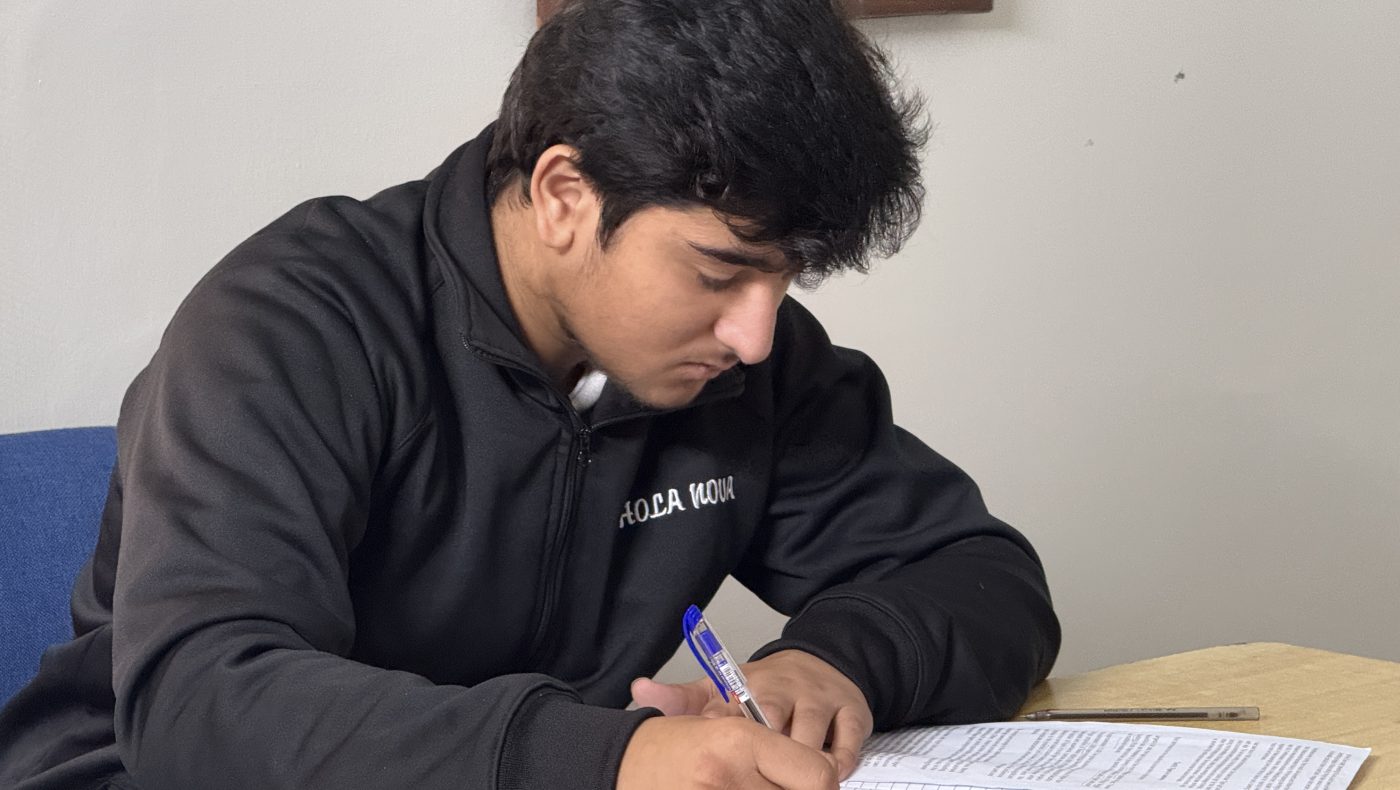
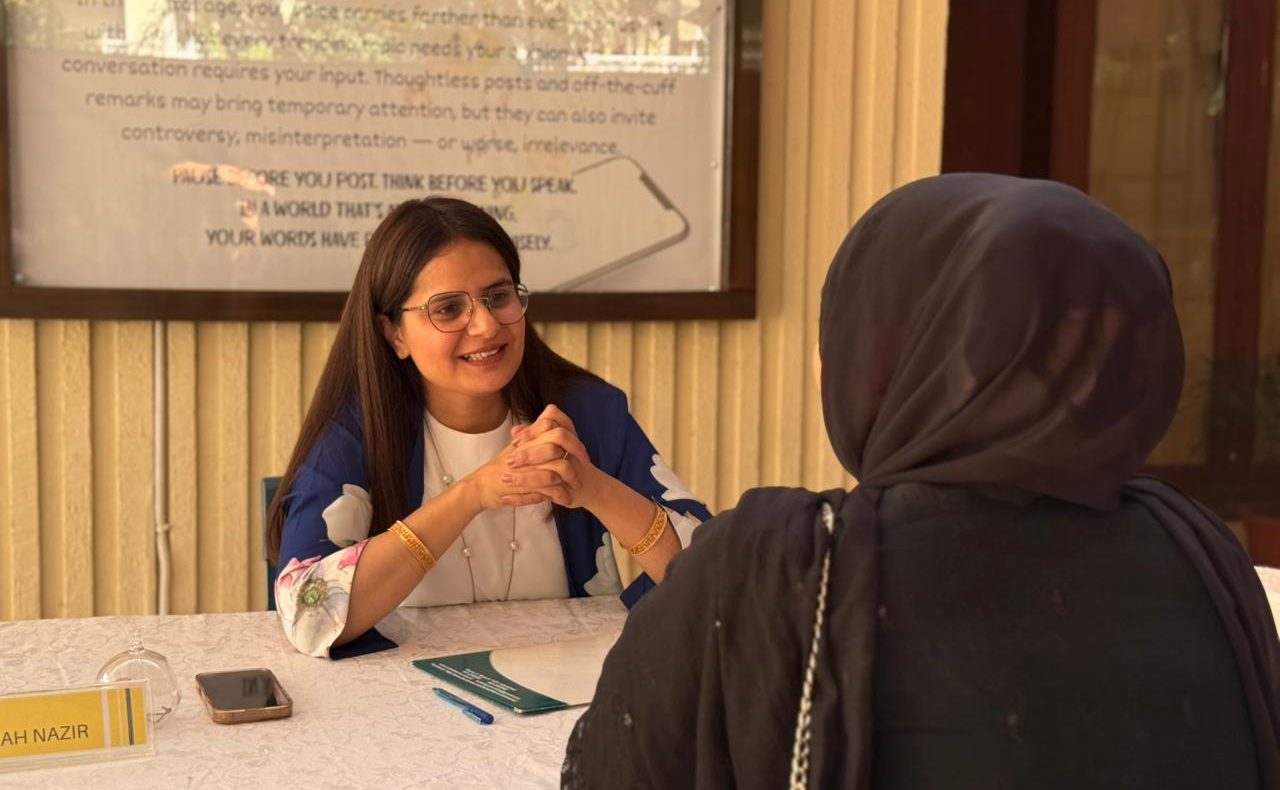
Student Doing Exam

Effective Exam Preparation Tips: How We Support Students at Schola Nova

At Schola Nova, exam preparation is not just about last minute revision. It is a structured process that helps students build confidence, apply knowledge effectively, and perform at their best.

As a cambridge school in islamabad, we understand the demands of both Cambridge IGCSE and A Level examinations. That is why we guide our students with practical strategies that go beyond memorisation and focus on real understanding.

Here are some of the most effective approaches we use to help our students succeed.

Focus on Applying Knowledge, Not Just Memorising

One of the most common challenges students face is trying to learn too much without understanding how to use it.

At Schola Nova, we encourage students to focus on how knowledge can be applied in exam questions. Strong answers are not about how much you know, but how effectively you use that knowledge.

We often use interactive techniques where students connect facts to different types of questions. This helps them think more flexibly and prepares them for a variety of exam scenarios.

Teach Students to Analyse Exam Questions Carefully

Understanding the question is just as important as knowing the answer.

We train our students to break down exam questions by identifying key words and understanding exactly what is being asked. This ensures they stay relevant and avoid losing marks by misinterpreting the question.

Simple habits like underlining key terms and planning answers briefly before writing can make a significant difference in performance.

Strengthening Memory Through Active Learning

Remembering key information is essential, especially for subjects that require factual recall.

At Schola Nova, we promote active revision methods rather than passive reading. Students are encouraged to:

  • Create their own quizzes
  • Test each other in groups
  • Use structured recall techniques

When students create their own questions, they engage more deeply with the content and retain it more effectively.

Practising with Real Exam Papers

Familiarity with exam formats builds confidence.

We ensure that students regularly practise using past papers and sample questions. This helps them understand:

  • The structure of the exam
  • The type of questions asked
  • How to manage time effectively

We also guide students on how to choose questions wisely, especially in papers where they have options.

Encouraging Reflection on Revision Methods

Every student learns differently. What works for one may not work for another.

That is why we encourage students to reflect on their revision strategies. They are guided to think about what helps them learn best and where they can improve.

This approach is particularly important as students move from IGCSE to A Level, where independent learning becomes more critical.

Supporting Students with Individual Needs

At Schola Nova, we recognise that some students require additional support during exams.

For those with special considerations, such as extra time, we ensure they practise using these adjustments well before the actual exam. This helps them feel comfortable and use their time effectively.

Our aim is to make sure every student is fully prepared in a way that suits their individual needs.

Building Strong Habits Early

Effective exam preparation does not begin a few weeks before exams. It starts much earlier.

We encourage students to:

  • Keep their notes organised and up to date
  • Practise revision techniques regularly
  • Build consistency in their study habits

By starting early, students reduce stress and feel more in control when exams approach.

Supporting Independent Learning

We also guide students to use additional study resources effectively. Structured learning materials help them plan their revision and stay focused.

As a best cambridge school in islamabad, we ensure that students are not only prepared for exams but also develop the skills needed for independent study in the future.

Why This Matters for Parents

For parents looking for the best school in islamabad or a top school in islamabad, exam preparation is often a key concern.

At Schola Nova, our approach ensures that students are not just prepared to pass exams, but to understand their subjects deeply and perform with confidence.


Conclusion

Exam success is not about last minute effort. It is about consistent preparation, smart strategies, and the ability to apply knowledge effectively.

At Schola Nova, we combine structured guidance with practical techniques to help students develop strong revision habits and achieve their full potential.

With the right support and approach, every student can walk into an exam feeling prepared, confident, and ready to succeed.

Choosing the Right School: 10 Questions Every Parent Should Ask

Selecting the right school for your child is one of the most meaningful decisions you will make as a parent. It is not just about choosing a building—it is about choosing a learning environment, a culture, and a space where your child will grow, explore, question, and discover who they are becoming. For families in the capital searching for the best school in Islamabad, the number of choices can feel overwhelming. Different curricula, philosophies, and school sizes leave parents wondering what truly matters.

At Schola Nova, we believe that parents make the best decisions when they have clarity. When you know what to ask, the right school becomes easier to identify. This guide reflects what we have learned over years of educating children in a nurturing, close-knit, home-based environment located in the heart of F-8—one that emphasizes relationships, academic strength, emotional well-being, and a strong teacher–student connection.

This blog is not merely a checklist. It is a thoughtful exploration of what makes a school feel right for your child.

1. Academic Programs: What Will My Child Be Learning?

Academics form the backbone of a school, but the curriculum is more than a collection of subjects—it is a philosophy of how children learn.

Curriculum Options

Whether a school offers a national board system or an international pathway such as IGCSE, parents must understand how each curriculum shapes skills and competencies.
As an IGCSE school in Islamabad, Schola Nova provides an internationally aligned approach supported by experienced faculty, conceptual clarity, and balanced assessments.

How Student Progress Is Measured

Ask how learning is evaluated:
• Formative assessments
• In-class quizzes
• Individual and group projects
• Analytical assignments
• Oral presentations
• Continuous teacher feedback

Assessment should be meaningful, consistent, and transparent.

Academic Enrichment

Even in a home-based setup, children can thrive academically with well-structured enrichment opportunities such as:
• Reading circles
• Creative writing
• Debate practice
• Math challenges
• STEM-based tasks suitable for small groups
• Research-based assignments

Enrichment is about depth, not grandeur. Smaller setups often allow targeted extensions for high achievers and additional support for students who need reinforcement.

2. Student Support: Does the School Prioritise Every Child?

A strong school is recognised not only by results but by how it supports every learner.

Student–Teacher Ratio

One of the greatest advantages of a home-based school environment is naturally smaller class sizes.
This allows teachers to:
• Notice individual strengths
• Identify areas requiring support
• Provide tailored academic guidance
• Build meaningful bonds with students

Schola Nova’s personalised instruction is a defining feature that parents appreciate.

Support for Different Learning Styles

Every child learns differently. Look for whether the school:
• Uses differentiated instruction
• Offers flexibility in teaching methods
• Supports slow or reluctant learners
• Encourages advanced students with extension tasks
• Has teachers trained in special educational needs awareness

Support is not about facilities—it is about mindset and teacher expertise.

Emotional and Counseling Support

Even without a formal counseling office, the presence of empathetic, trained educators makes a tremendous difference.
Students in smaller learning communities often receive:
• More individual attention
• Emotional reassurance
• Guidance for peer interactions
• Support during transitions
• Regular teacher–parent feedback loops

A nurturing environment matters more than the size of a building.

3. Culture & Discipline: What Values Will Shape My Child?

A school’s culture is not built through structures—it is built through people.

Philosophy of Discipline

Ask how the school handles challenges:
• Is it restorative or punitive?
• Are conversations used to build understanding?
• Are mistakes seen as learning opportunities?

At Schola Nova, discipline is rooted in respect, emotional intelligence, and responsibility rather than fear or punishment.

Inclusivity & Environment

Even in a home-based setting, the climate can be incredibly enriching when it:
• Fosters kindness
• Respects individuality
• Encourages initiative
• Celebrates diversity of abilities
• Promotes confidence and curiosity

Culture is felt in tone, relationships, communication, and daily interactions—not in the size of a campus.

Parent–School Partnership

In intimate learning environments, communication is naturally stronger.
Parents should expect:
• Frequent updates
• Constructive conversations
• A welcoming environment
• Openness to concerns
• Shared decision-making

Strong school–home collaboration leads to stronger children.

4. Facilities & Extracurriculars: What Does the School Offer Within Its Scale?

Parents often assume that only large campuses can provide wholesome learning, but smaller, home-based setups can be equally powerful—sometimes even more.

Realistic Facilities to Look For

Instead of expecting huge halls or elaborate labs, focus on:
• Clean, well-organized learning spaces
• Comfortable classrooms
• Quiet reading and work corners
• Age-appropriate materials
• Safe entry and exit points
• Access to essential learning tools

Meaningful Extracurricular Engagement

Extracurricular activities do not require massive infrastructure—they require intention.
Look for enriching opportunities such as:
• Public speaking
• Creative arts
• Mindfulness activities
• Outdoor sports in nearby accessible grounds
• Group projects
• Debates
• Community engagement
• Thematic activity days

Safety Standards

Safety is vital regardless of school size.
Parents should ask about:
• Visitor access control
• Emergency preparedness
• First-aid training
• Responsible adult supervision
• Safe classrooms and staircases

A home-based school can be exceptionally safe due to its controlled environment.

5. Questions to Ask During a School Visit


When visiting any school—especially a home-based setup—look beyond the physical space.
Ask questions that reveal the school’s philosophy:

  1. How do teachers keep students motivated in smaller group settings?

  2. What ongoing training do teachers receive?

  3. How is technology used without over-reliance?

  4. What is the typical class size?

  5. How does the school support different learning paces?

  6. Which extracurriculars are planned annually?

  7. How does the school handle peer conflict?

  8. How do parents stay involved in learning?

  9. How does the school prepare students for higher classes and IGCSE standards?

  10. What makes this school’s approach unique?

These questions help parents see the heart of the school—not just the structure.

6. The Schola Nova Perspective: What Truly Makes a School Great?

Schola Nova’s strength has always been its people, not its walls.

Child-Centered Learning

Every child learns differently, and small environments allow teachers to respond personally and thoughtfully.

Experienced IGCSE Faculty

Despite being home-based, Schola Nova maintains high academic standards supported by trained, qualified, and experienced teachers who prepare students for international benchmarks.

Balanced Education

We blend academics with emotional intelligence, creativity, responsibility, and social values—even without massive facilities.

Connection & Community

Our community thrives because relationships come first—between teachers, students, and parents.

Final Thoughts: Choose a School That Feels Right, Not Just Big

Choosing a school is not a competition of buildings—it is a discovery of values.
A small, well-managed, warm learning environment can often offer:
• More attention
• More care
• More emotional safety
• More meaningful learning
• More genuine teacher involvement
• More confidence-building experiences

At Schola Nova, we welcome parents to visit, observe, and engage with our community to see how a thoughtfully-run home-based environment in F-8 can still stand among the best schools in Islamabad, through heart, quality, and authenticity.

If you’re exploring IGCSE schools in Islamabad or seeking a personalised learning environment where your child is truly seen, Schola Nova is ready to welcome you.