A Letter from One Heart to Another

Dear Parents,

There comes a quiet moment in every parent’s life when we realize that our children will not always be in front of our eyes. One day, they will step into a world that will not bend for them simply because we love them. That realization is heavy but it is also where our true role as parents begins.

The real world notices who shows up. It notices consistency, effort, and presence. A child who does not show up on time, prepared, or committed slowly loses trust, opportunities, and relationships. Teaching our children to show up is not about pressure; it is about dignity. It is about teaching them that their word matters and that their presence carries weight.

Life will test them in ways we cannot prevent. There will be conflicts, failures, disappointments, and unfair moments. Our children must learn that running away weakens them, but facing problems strengthens them. When they try to resolve issues awkwardly at first, imperfectly always—they discover their own courage. And that courage stays with them long after we are no longer there to intervene.

At some point, every child will get it wrong. What matters then is not the mistake, but what follows it. Owning mistakes and offering a genuine apology teaches integrity. It tells a child, You can fall and still stand tall. This lesson shapes character more than success ever will.

In a world that grows harder and more impatient each day, sensitivity and kindness are not optional they are essential. When children learn to notice the needs and feelings of others, they learn humanity. Kindness does not make them weak; it makes them trusted, respected, and remembered.

Time, too, speaks loudly. Being punctual is a quiet way of saying, I care. Teaching children to value time is teaching them respect for others and for themselves. Alongside this, we must give them grit—the courage to keep going when things fall apart. Grit is what carries them through failure. It is what whispers, Try again, when giving up feels easier. Success is never owned by the talented alone; it belongs to those who refuse to quit.

And finally, we must ask ourselves a difficult question, one that requires honesty more than love: Are we truly raising independent children, or are we slowly creating adults who cannot move without us? When we rush to fix every small problem, we steal their chance to grow. Our job is not to protect them from life, but to prepare them for it.

Let us raise children who can stand on their own feet, yet still carry kindness in their hearts. Children who show up, face challenges, take responsibility, and rise again after failure. This world will not be gentle with them—but with the right values, they will be strong enough to meet it.

With love and faith in the adults our children will become,
Ms. Tahira Sadia
Headmistress, Schola Nova


Choosing the Right School: 10 Questions Every Parent Should Ask

Selecting the right school for your child is one of the most meaningful decisions you will make as a parent. It is not just about choosing a building—it is about choosing a learning environment, a culture, and a space where your child will grow, explore, question, and discover who they are becoming. For families in the capital searching for the best school in Islamabad, the number of choices can feel overwhelming. Different curricula, philosophies, and school sizes leave parents wondering what truly matters.

At Schola Nova, we believe that parents make the best decisions when they have clarity. When you know what to ask, the right school becomes easier to identify. This guide reflects what we have learned over years of educating children in a nurturing, close-knit, home-based environment located in the heart of F-8—one that emphasizes relationships, academic strength, emotional well-being, and a strong teacher–student connection.

This blog is not merely a checklist. It is a thoughtful exploration of what makes a school feel right for your child.

1. Academic Programs: What Will My Child Be Learning?

Academics form the backbone of a school, but the curriculum is more than a collection of subjects—it is a philosophy of how children learn.

Curriculum Options

Whether a school offers a national board system or an international pathway such as IGCSE, parents must understand how each curriculum shapes skills and competencies.
As an IGCSE school in Islamabad, Schola Nova provides an internationally aligned approach supported by experienced faculty, conceptual clarity, and balanced assessments.

How Student Progress Is Measured

Ask how learning is evaluated:
• Formative assessments
• In-class quizzes
• Individual and group projects
• Analytical assignments
• Oral presentations
• Continuous teacher feedback

Assessment should be meaningful, consistent, and transparent.

Academic Enrichment

Even in a home-based setup, children can thrive academically with well-structured enrichment opportunities such as:
• Reading circles
• Creative writing
• Debate practice
• Math challenges
• STEM-based tasks suitable for small groups
• Research-based assignments

Enrichment is about depth, not grandeur. Smaller setups often allow targeted extensions for high achievers and additional support for students who need reinforcement.

2. Student Support: Does the School Prioritise Every Child?

A strong school is recognised not only by results but by how it supports every learner.

Student–Teacher Ratio

One of the greatest advantages of a home-based school environment is naturally smaller class sizes.
This allows teachers to:
• Notice individual strengths
• Identify areas requiring support
• Provide tailored academic guidance
• Build meaningful bonds with students

Schola Nova’s personalised instruction is a defining feature that parents appreciate.

Support for Different Learning Styles

Every child learns differently. Look for whether the school:
• Uses differentiated instruction
• Offers flexibility in teaching methods
• Supports slow or reluctant learners
• Encourages advanced students with extension tasks
• Has teachers trained in special educational needs awareness

Support is not about facilities—it is about mindset and teacher expertise.

Emotional and Counseling Support

Even without a formal counseling office, the presence of empathetic, trained educators makes a tremendous difference.
Students in smaller learning communities often receive:
• More individual attention
• Emotional reassurance
• Guidance for peer interactions
• Support during transitions
• Regular teacher–parent feedback loops

A nurturing environment matters more than the size of a building.

3. Culture & Discipline: What Values Will Shape My Child?

A school’s culture is not built through structures—it is built through people.

Philosophy of Discipline

Ask how the school handles challenges:
• Is it restorative or punitive?
• Are conversations used to build understanding?
• Are mistakes seen as learning opportunities?

At Schola Nova, discipline is rooted in respect, emotional intelligence, and responsibility rather than fear or punishment.

Inclusivity & Environment

Even in a home-based setting, the climate can be incredibly enriching when it:
• Fosters kindness
• Respects individuality
• Encourages initiative
• Celebrates diversity of abilities
• Promotes confidence and curiosity

Culture is felt in tone, relationships, communication, and daily interactions—not in the size of a campus.

Parent–School Partnership

In intimate learning environments, communication is naturally stronger.
Parents should expect:
• Frequent updates
• Constructive conversations
• A welcoming environment
• Openness to concerns
• Shared decision-making

Strong school–home collaboration leads to stronger children.

4. Facilities & Extracurriculars: What Does the School Offer Within Its Scale?

Parents often assume that only large campuses can provide wholesome learning, but smaller, home-based setups can be equally powerful—sometimes even more.

Realistic Facilities to Look For

Instead of expecting huge halls or elaborate labs, focus on:
• Clean, well-organized learning spaces
• Comfortable classrooms
• Quiet reading and work corners
• Age-appropriate materials
• Safe entry and exit points
• Access to essential learning tools

Meaningful Extracurricular Engagement

Extracurricular activities do not require massive infrastructure—they require intention.
Look for enriching opportunities such as:
• Public speaking
• Creative arts
• Mindfulness activities
• Outdoor sports in nearby accessible grounds
• Group projects
• Debates
• Community engagement
• Thematic activity days

Safety Standards

Safety is vital regardless of school size.
Parents should ask about:
• Visitor access control
• Emergency preparedness
• First-aid training
• Responsible adult supervision
• Safe classrooms and staircases

A home-based school can be exceptionally safe due to its controlled environment.

5. Questions to Ask During a School Visit


When visiting any school—especially a home-based setup—look beyond the physical space.
Ask questions that reveal the school’s philosophy:

  1. How do teachers keep students motivated in smaller group settings?

  2. What ongoing training do teachers receive?

  3. How is technology used without over-reliance?

  4. What is the typical class size?

  5. How does the school support different learning paces?

  6. Which extracurriculars are planned annually?

  7. How does the school handle peer conflict?

  8. How do parents stay involved in learning?

  9. How does the school prepare students for higher classes and IGCSE standards?

  10. What makes this school’s approach unique?

These questions help parents see the heart of the school—not just the structure.

6. The Schola Nova Perspective: What Truly Makes a School Great?

Schola Nova’s strength has always been its people, not its walls.

Child-Centered Learning

Every child learns differently, and small environments allow teachers to respond personally and thoughtfully.

Experienced IGCSE Faculty

Despite being home-based, Schola Nova maintains high academic standards supported by trained, qualified, and experienced teachers who prepare students for international benchmarks.

Balanced Education

We blend academics with emotional intelligence, creativity, responsibility, and social values—even without massive facilities.

Connection & Community

Our community thrives because relationships come first—between teachers, students, and parents.

Final Thoughts: Choose a School That Feels Right, Not Just Big

Choosing a school is not a competition of buildings—it is a discovery of values.
A small, well-managed, warm learning environment can often offer:
• More attention
• More care
• More emotional safety
• More meaningful learning
• More genuine teacher involvement
• More confidence-building experiences

At Schola Nova, we welcome parents to visit, observe, and engage with our community to see how a thoughtfully-run home-based environment in F-8 can still stand among the best schools in Islamabad, through heart, quality, and authenticity.

If you’re exploring IGCSE schools in Islamabad or seeking a personalised learning environment where your child is truly seen, Schola Nova is ready to welcome you.


All the World’s a Stage: Schola Nova’s Celebration of Courage, Creativity and Character

“All the world’s a stage, and all the men and women merely players.” — William Shakespeare

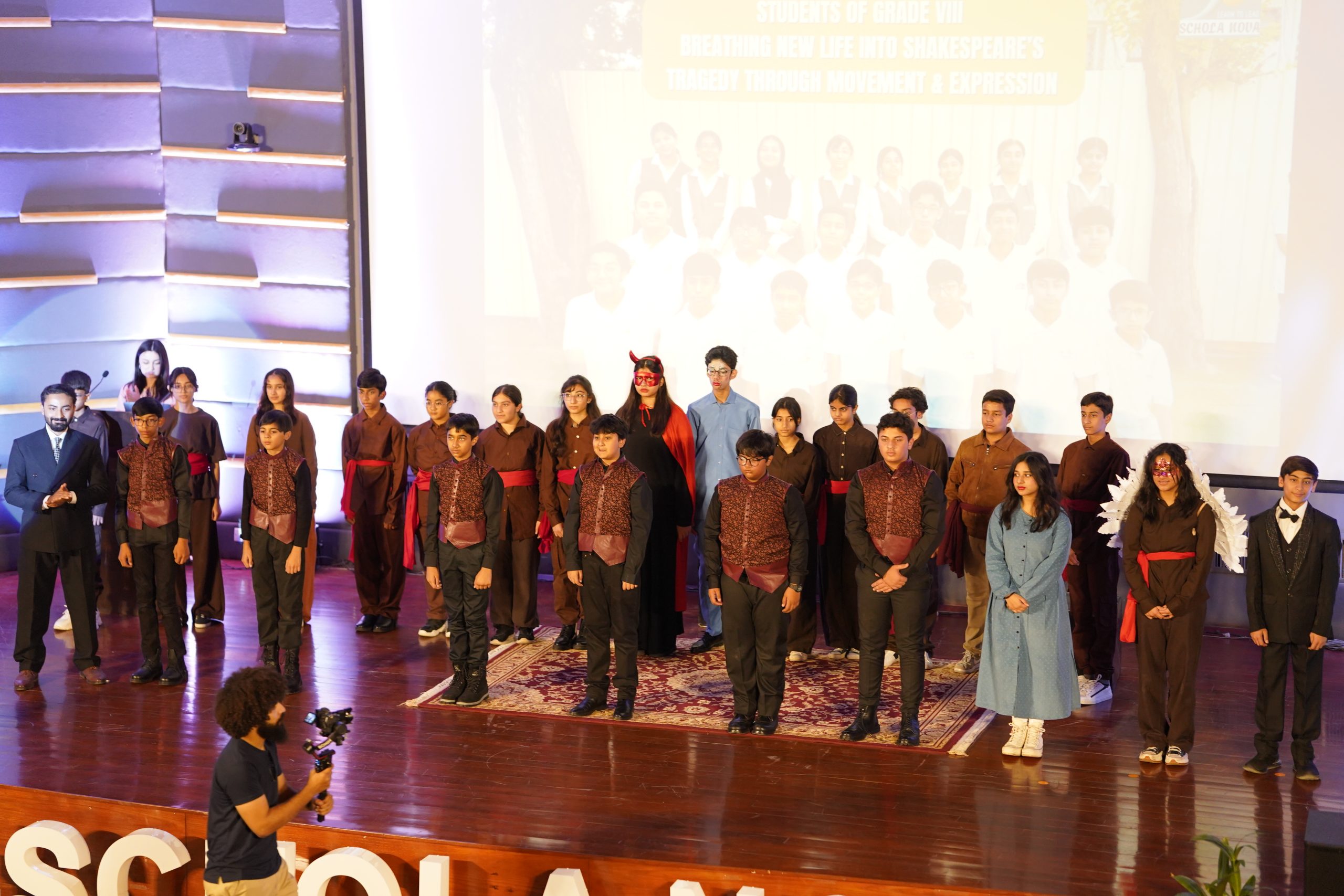
Schola Nova’s Annual Drama Festival 2025 brought these iconic words to life in the most vibrant and meaningful way. More than an event, it was a tribute to imagination, courage, community, and the lifelong learning that defines the Schola Nova experience.

The Stage as a Transformative Classroom

At Schola Nova, performing arts are not an extracurricular luxury; they are an essential part of holistic education. We see the stage as a powerful learning space where students discover their voice, embrace confidence, and learn the value of collaboration.

Our philosophy echoes the ideas of some of the most influential thinkers in education and psychology. Sir Ken Robinson, a global advocate for creativity in learning, reminds us, “Creativity is as important in education as literacy.” Lev Vygotsky, a pioneer in child development, highlighted the role of dramatic play by stating, “In play, a child behaves beyond their daily self — a head taller than they are.” Howard Gardner, known for the Theory of Multiple Intelligences, emphasized that schools must cultivate all forms of intelligence, not only linguistic and mathematical abilities.

Drama nurtures emotional expression, empathy, creative thinking, and resilience. These abilities are now considered essential for success in modern life. For our students, the festival was not only a performance; it was an experience where character was strengthened and creativity was awakened.

Academic Excellence with a Creative Edge

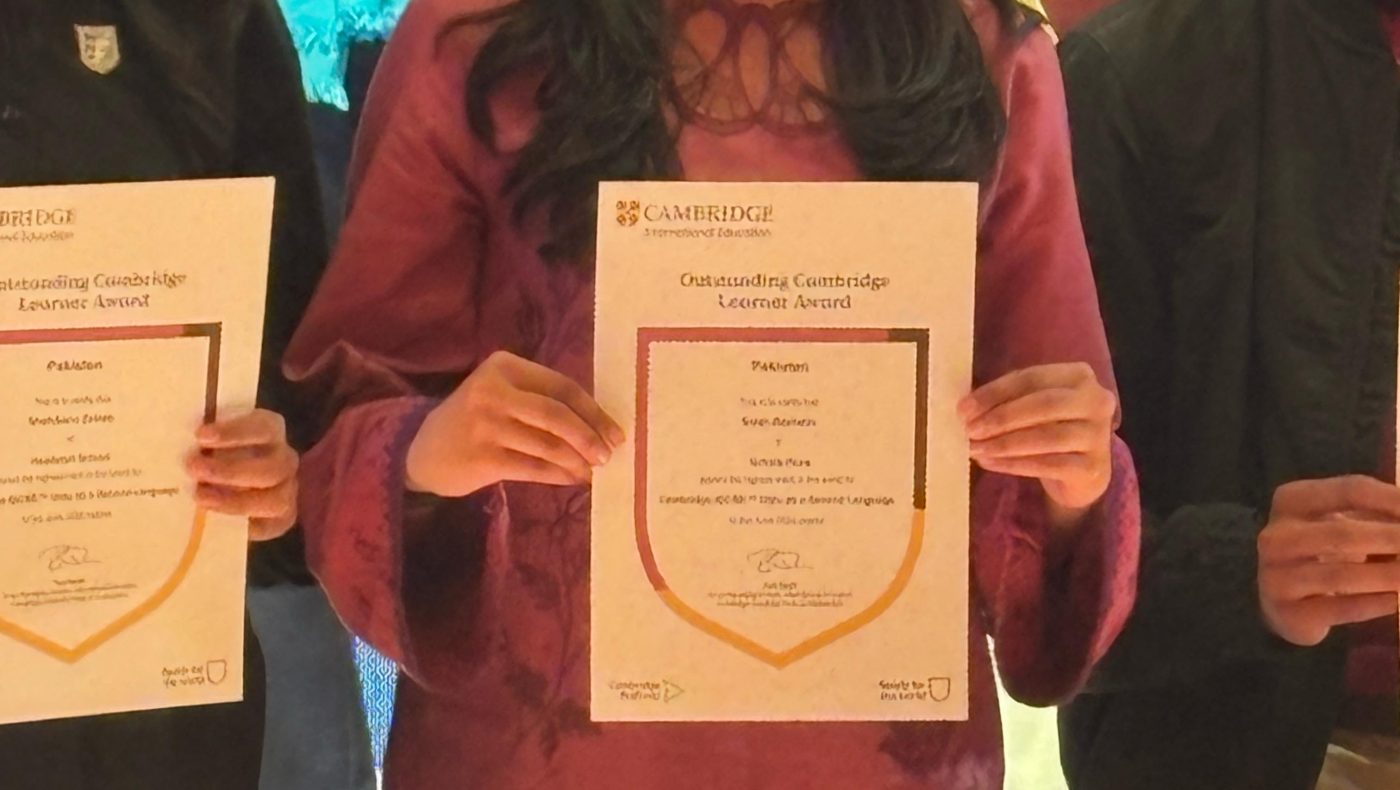
For more than 27 years, Schola Nova has been recognised as a leading institution in Islamabad, known for its balanced learning, strong values, and commitment to academic brilliance. Our Cambridge IGCSE results continue to shine, with 94 percent A grades and yet another World Distinction earned in 2025.

However, academic achievement at Schola Nova extends far beyond numbers and grades. We believe in what John Dewey taught the world: “Education is not preparation for life; education is life itself.” Albert Einstein also reminded educators everywhere that “Imagination is more important than knowledge.” By integrating creativity with academic excellence, we prepare students who excel in examinations while also remaining curious, confident, and compassionate.

A Community United by Creativity

This year’s Drama Festival stood out because it was a collective effort of students, teachers, and families working together. Every script, costume, rehearsal, and performance carried its own story of practice, passion, and dedication. Nelson Mandela’s timeless words ring true here: “It takes a village to raise a child.”

The auditorium echoed with cheers of encouragement, each one strengthening our young performers and lifting their confidence. The festival showed how beautifully a community can come together to support children in their journey of growth and expression.

We extend heartfelt gratitude to our parents for their trust and unwavering support, and to our teachers whose guidance continues to inspire excellence in every child.

The Schola Nova Spirit

At Schola Nova, every opportunity—whether academic, artistic, or social—is designed to help students stand tall, speak confidently, and pursue their dreams. Brené Brown, a leading researcher on courage and authenticity, reminds us, “Courage starts with showing up and letting ourselves be seen.” Every child who stepped on stage embodied this courage. Every performance reflected growth, confidence, and the joy of self-discovery.

As the curtain closes on this year’s festival, what remains is not only the memory of the performances but the journey of becoming. The creativity, the courage, the teamwork, and the moments of learning all come together to create the Schola Nova spirit.

Discover Schola Nova

Schola Nova is more than a school. It is a community where learning comes alive, creativity thrives, and every child is encouraged to shine. To learn more about our programs, admissions, or educational philosophy, please visit our website or contact the school office.

When Words Find Wings: How Debate Competitions Build Confidence and Clarity

Introduction

At Schola Nova, one of the top schools in Islamabad, the art of speaking isn’t confined to a single stage it’s woven into everyday learning. From classroom discussions to morning assemblies, from voicing opinions in literature class to formal presentations, every interaction helps students grow in courage, clarity, and composure.

And when that moment finally arrives the auditorium lights, the eager audience, the anticipation each student who steps forward discovers something powerful: their voice matters.

More Than an Event: A Culture of Expression

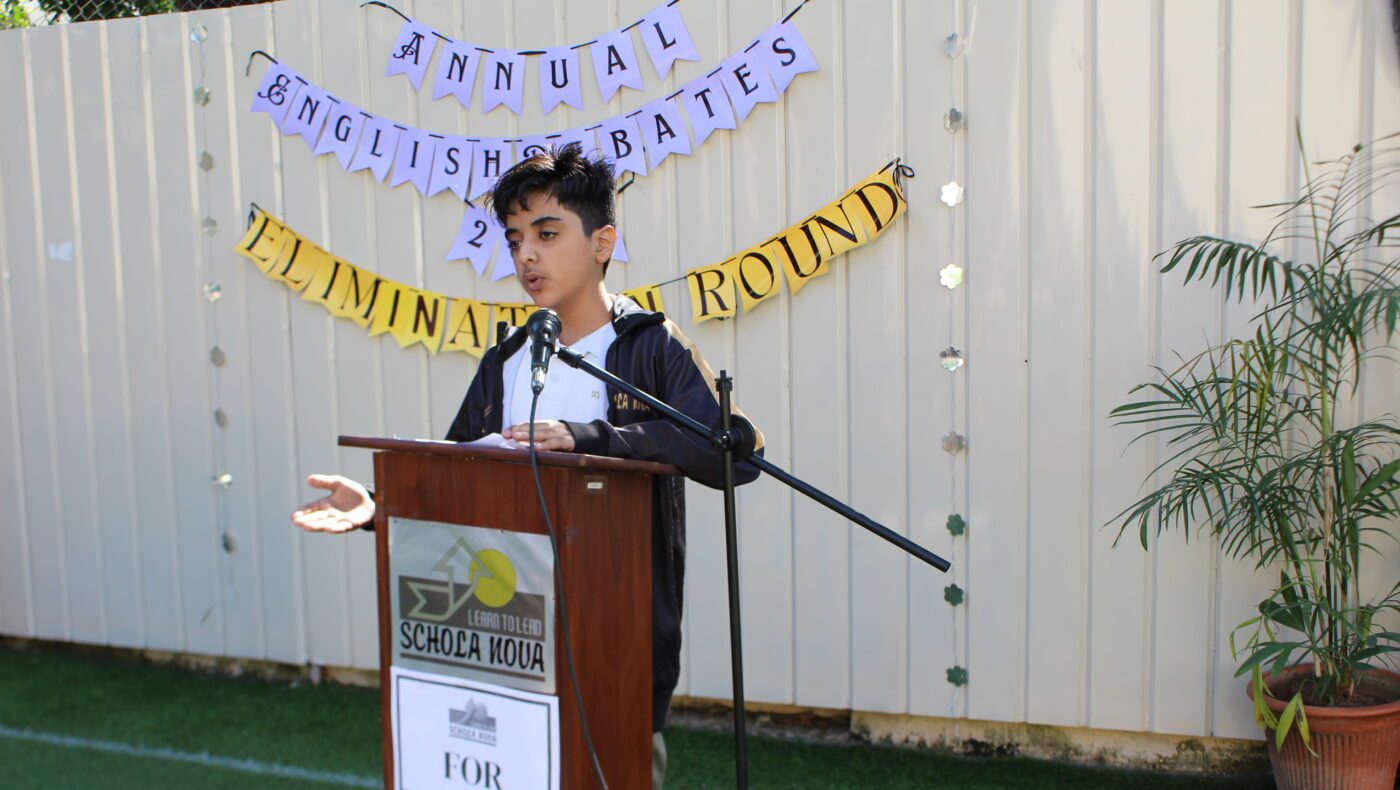
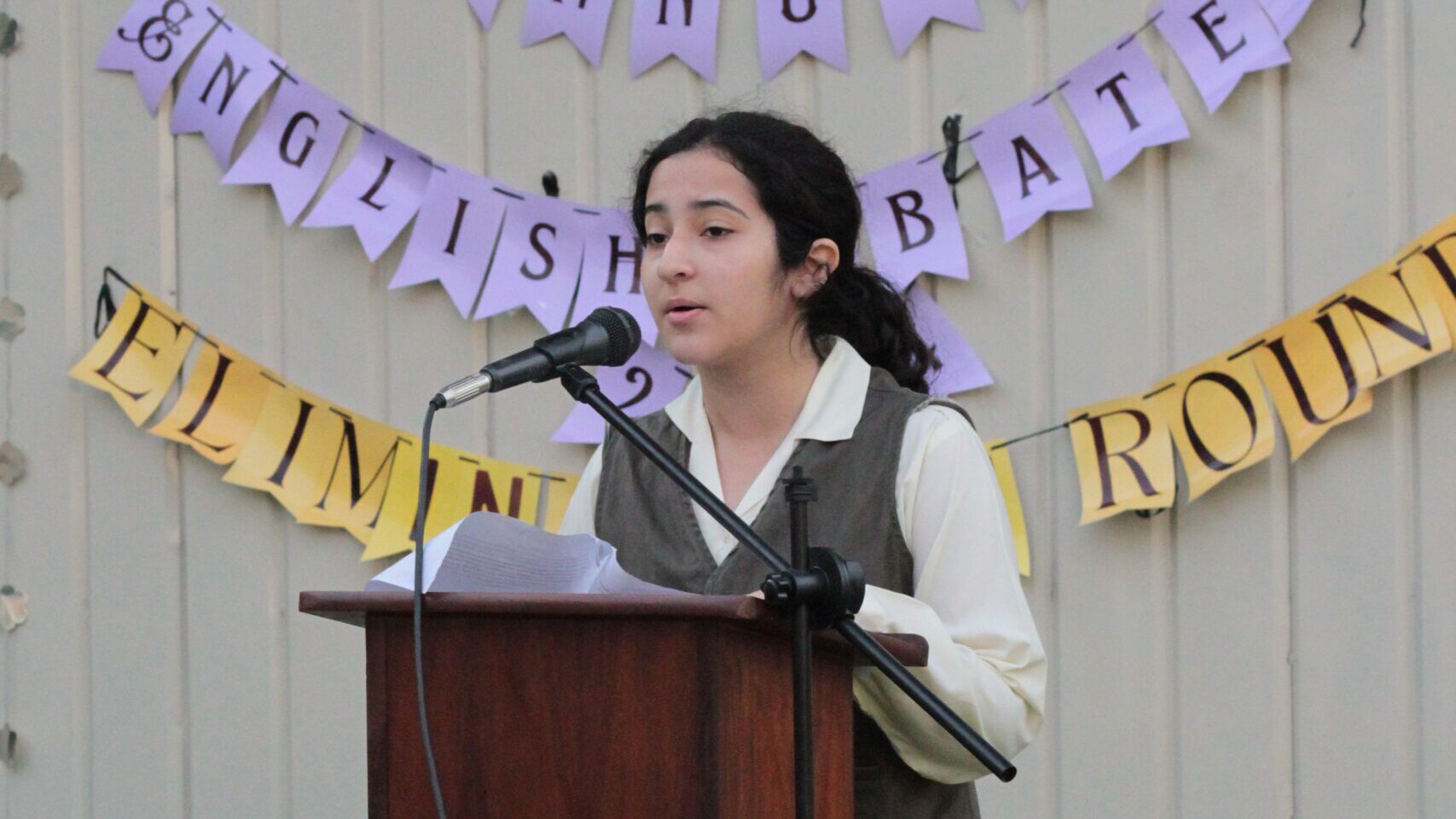
The Schola Nova Annual Debate Competition is more than an event; it’s a celebration of dialogue, intellect, and self-expression. Students participate in multiple rounds preliminary, semifinal, and final each testing not only their argumentation but also their confidence, logical structure, and emotional control.

The grand finale features a respected panel of judges from academia, media, and communication, who evaluate participants on content, delivery, persuasion, and presence. Yet, what truly defines this experience is not the medal at the end—it’s the transformation that unfolds along the way.

Every participant, whether seasoned or first-time speaker, learns to organize thoughts under pressure, speak with purpose, and listen with respect. They realize that true communication isn’t about volume it’s about connection.

How Debate Shapes Confidence

1. The Stage as a Classroom

The debate floor becomes a living classroom. Students face real-time questions, shifting arguments, and engaged audiences all of which help them grow in composure and adaptability. Each speech delivered, each rebuttal made, transforms hesitation into confidence.

2. Confidence Built Daily

True confidence doesn’t begin on competition day it’s built in small, everyday moments: answering a question in class, volunteering during assemblies, or leading a group discussion.
At Schola Nova, expression is encouraged at every level, so by the time students face a debate audience, they already carry quiet assurance and inner strength.

3. Grace Under Pressure

Debating teaches emotional steadiness. Students learn to pause before responding, think critically under pressure, and disagree respectfully skills that shape not just good speakers, but well-rounded individuals.

How Debate Strengthens Public Speaking

From Thought to Expression

Public speaking begins with clear thinking. Students learn to organize ideas logically, pace their speech effectively, and use tone and expression to engage not just inform their audience.

Argumentation and Evidence

Through research and preparation, students discover that the strongest arguments are rooted in facts, not assumptions. Debate nurtures critical thinking and analytical reasoning, skills essential for academics and life beyond school.

Persuasion with Purpose

Whether speaking to peers or professionals, Schola Novians learn that persuasion isn’t about winning it’s about helping others see a new perspective. Debate teaches them to balance empathy, logic, and storytelling to move and inspire their audience.

The Broader Impact: Confidence Beyond the Podium

Debate doesn’t end when the microphones are turned off. The skills developed on stage clarity, empathy, and confidence flow into every part of a student’s life. From classroom participation to leadership opportunities, from making friends to handling interviews, these abilities last long after school.

At Schola Nova, one of the best private schools in Islamabad, we believe that leadership begins with language with the courage to voice one’s ideas, the patience to hear others, and the grace to find common ground.

Tips for Aspiring Debaters

Here are a few insights we share with our students:

  • Research with Curiosity: Every strong argument begins with understanding. Explore all sides before forming an opinion.

  • Practice Aloud: Speak, record, listen, repeat! Confidence grows with rhythm and familiarity.

  • Use the Power of Pause: Silence between sentences isn’t weakness—it’s confidence in motion.

  • Respect the Opponent: Debate is dialogue, not dominance. True strength lies in civility and empathy.

The Voice That Stays With You

When a student walks up to the podium heart racing and still chooses to speak, that’s confidence in its purest form.
The Schola Nova Debate Competition gives students that opportunity: to think bravely, speak sincerely, and listen deeply.

But the real achievement lies in what follows the poise they carry into classrooms, the clarity they bring to ideas, and the confidence they retain long after the applause fades.

At Schola Nova, located on Street 6, F-8/3, Islamabad, debate isn’t about winning arguments it’s about discovering one’s voice and learning how to use it wisely.

Why Schola Nova Encourages Debate

  • Recognized among the top 10 schools in Islamabad for holistic education.

  • Focused on confidence-building, communication, and leadership development.

  • Offers O Level programs that emphasize critical thinking and creative expression.

  • Encourages participation in public speaking, Turkish and Sign Language programs, and chess coaching to enhance cognitive and social growth.

Conclusion

When words find wings, they create leaders. Debate at Schola Nova is not about competition it’s about transformation.
By empowering students to think, speak, and listen with empathy and purpose, we prepare them not only for success in school but for success in life.

If you’re looking for a school in Islamabad that values communication, confidence, and character, visit www.scholanova.edu.pk
or call 051-2855003 | +92 330 9892003.

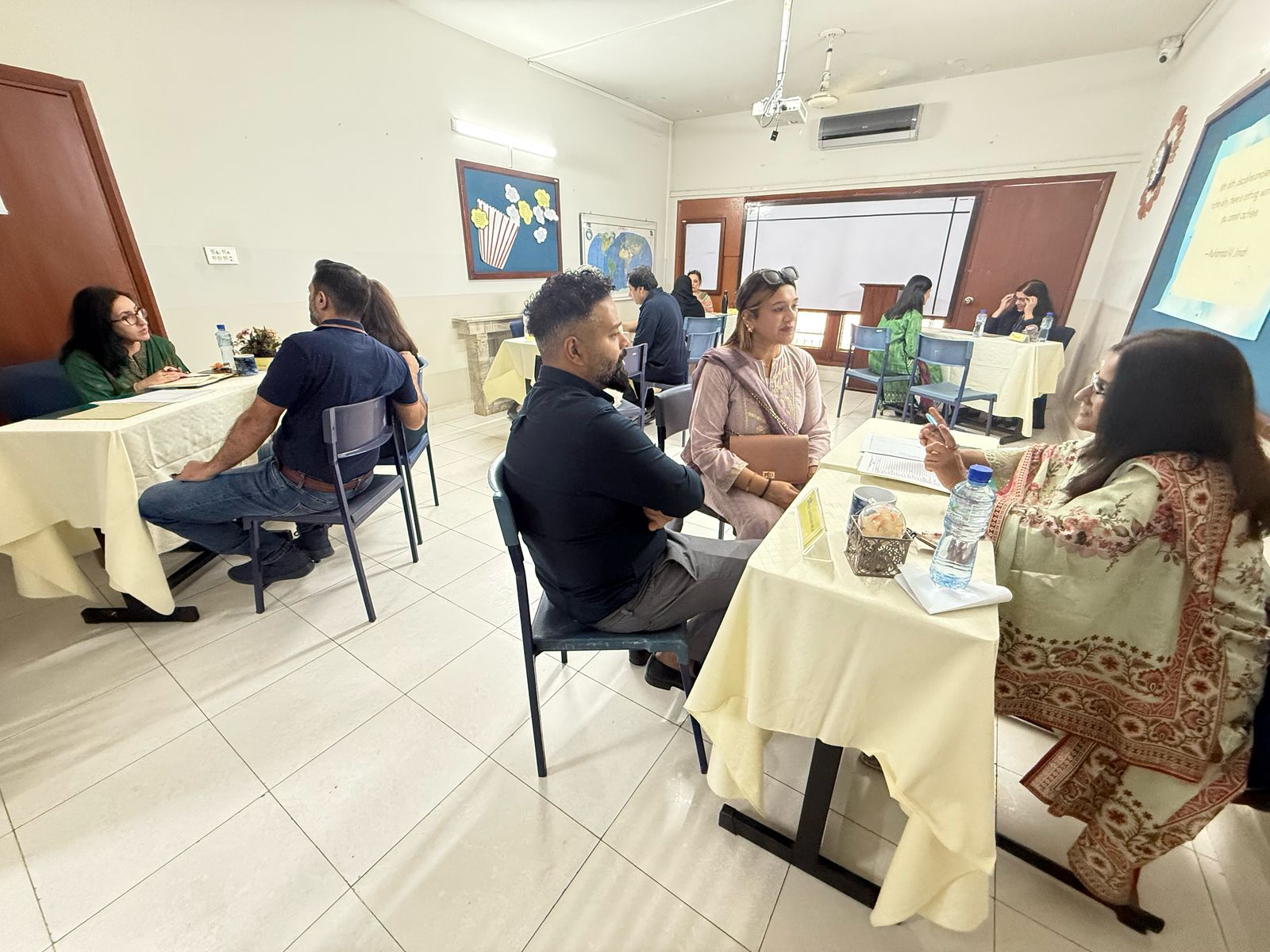
Rethinking Parent-Teacher Meetings: A Partnership for Progress

“When parents and teachers unite, children thrive.”

Introduction

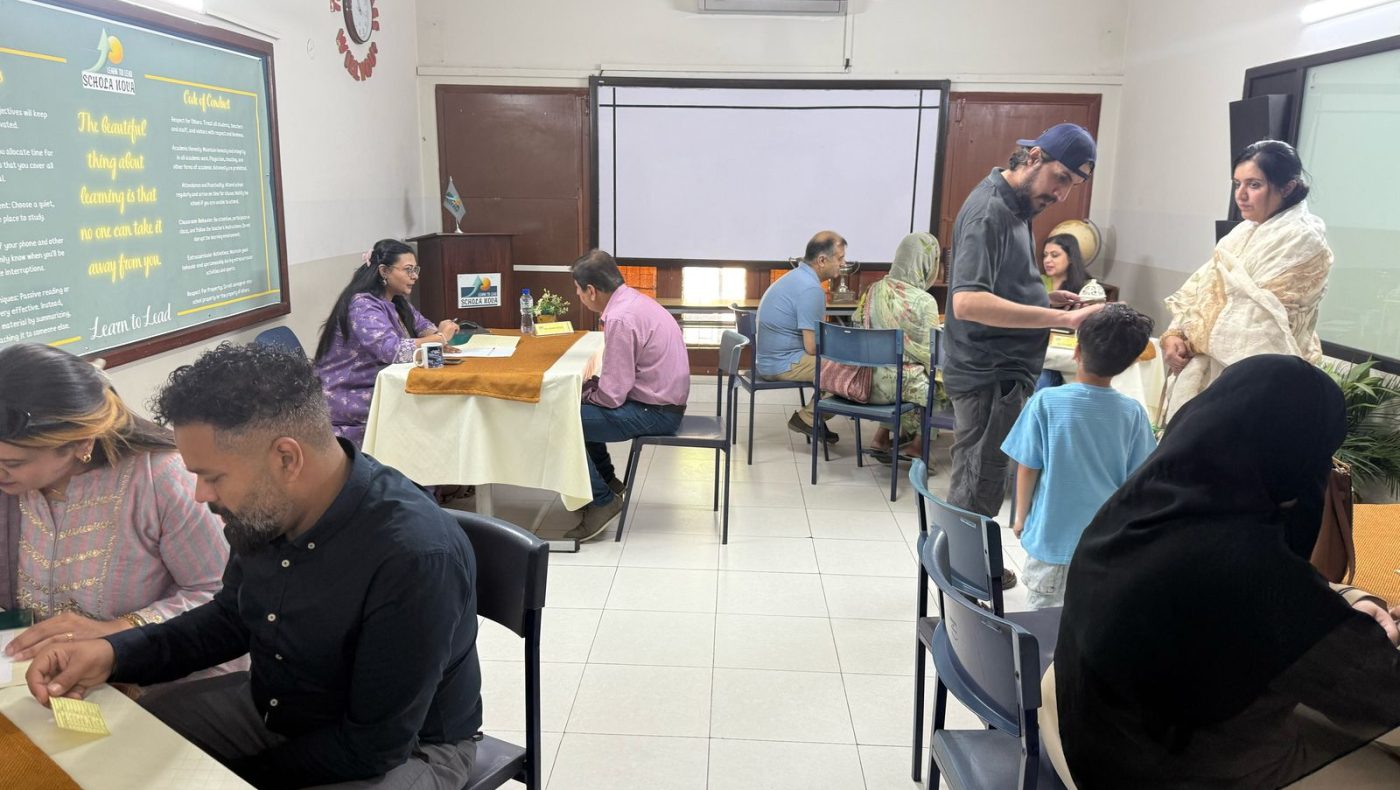
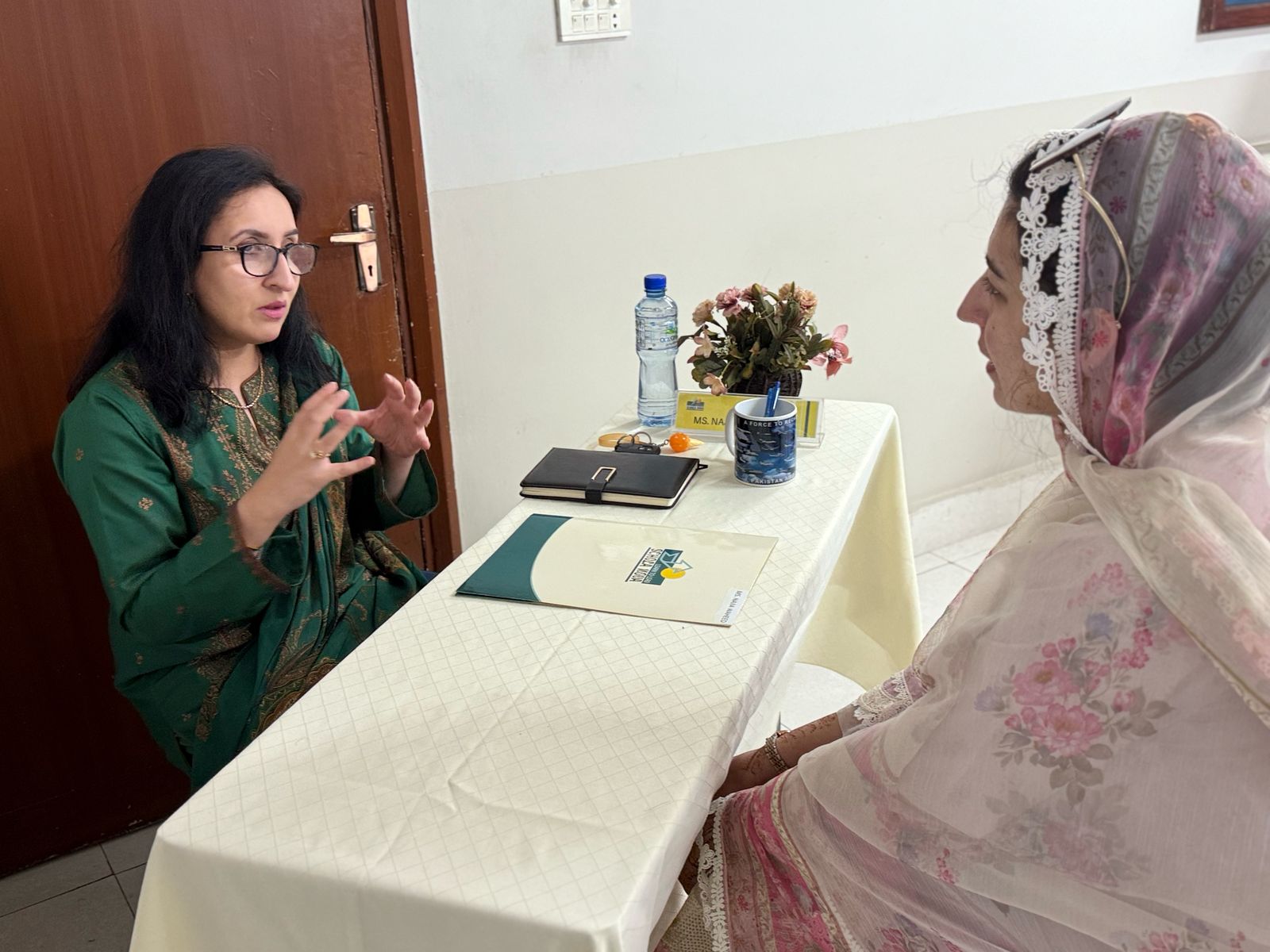
At Schola Nova, one of the top schools in Islamabad, we believe education is not a solo journey — it is a shared voyage between students, teachers, and parents. One of the most powerful tools we have to strengthen this partnership is the Parent-Teacher Meeting (PTM).

Yet, too often, PTMs are misunderstood or underutilized. It’s time to reframe what these meetings truly mean — and what they are not.

The True Purpose of PTMs

For many parents, PTMs are seen as a time to hear about their child’s academic performance, or worse, as a session to point fingers at teachers for what is not going right. This perception misses the heart of the matter.

PTMs are not about blame; they are about bridging gaps, building trust, and working together to support the child’s growth.

Teachers do not enter PTMs with a checklist of faults. We come with stories — stories of effort, potential, and small victories that may never make it to a report card. We come with questions, with hopes, and with a deep desire to understand the child beyond the classroom walls.

The Schola Nova Perspective: Seeing the Whole Child

This is especially true in our Senior School, where students preparing for O Level and IGCSE exams face increasing academic and emotional demands. Sometimes, the version of a student we see in school is not the one you see at home.

That is not deception it is human. Children navigate different roles in different environments. PTMs help us piece together the full picture.

When a student struggles, it is not about who is at fault; it is about how we can support them together. We value your insights, your observations, and your instincts as a parent.

Teaching as a Relationship, Not a Routine

Teaching is not just a job  it is a relationship. At Schola Nova, one of the best private schools in Islamabad, we celebrate your child’s wins and feel their setbacks.

When we raise concerns, it is not criticism; it is care.

Occasionally, students paint a picture at home that does not align with what is happening in school. This is not always intentional. Children may misinterpret events, downplay challenges, or simply struggle to express what they are going through.

Parent-Teacher Meetings are a chance to clarify, to listen, and to uncover the truth together.

Making PTMs More Meaningful

To make your next PTM truly productive, here are some simple but powerful steps:

1. Come with an Open Mind

Leave assumptions at the door and be ready to listen and learn.

2. Ask Questions

Don’t just wait for updates — engage. Inquire about your child’s social behavior, emotional well-being, and classroom participation.

3. Share Context

If there is something happening at home that might affect your child’s learning, let us know. We are here to help.

4. Follow Up

PTMs are a starting point, not a conclusion. Keep the conversation going through follow-up meetings or informal check-ins.

Collaboration at the Heart of Schola Nova

At Schola Nova, we see Parent-Teacher Meetings as a celebration of collaboration. They are not about highlighting flaws  they are about highlighting possibilities.

When parents and teachers come together with empathy, honesty, and a shared purpose, we create a support system that empowers every child to thrive.

Let us move beyond the myths. Let us meet not to judge, but to join hands. Because when we work together, we do not just fill gaps  we build bridges.

Why Schola Nova Prioritizes Parent-Teacher Partnerships

  • Located in Street 6, F-8/3 Islamabad, Schola Nova is among the top schools in Islamabad offering the Cambridge IGCSE curriculum.

  • We believe that education flourishes through collaboration between teachers and families.

  • Our PTMs focus on student well-being, academic progress, and emotional development.

  • We maintain open communication through meetings, emails, newsletters, and digital platforms.

  • With a balance of academic excellence and holistic education, Schola Nova stands among the best private schools in Islamabad.

Conclusion

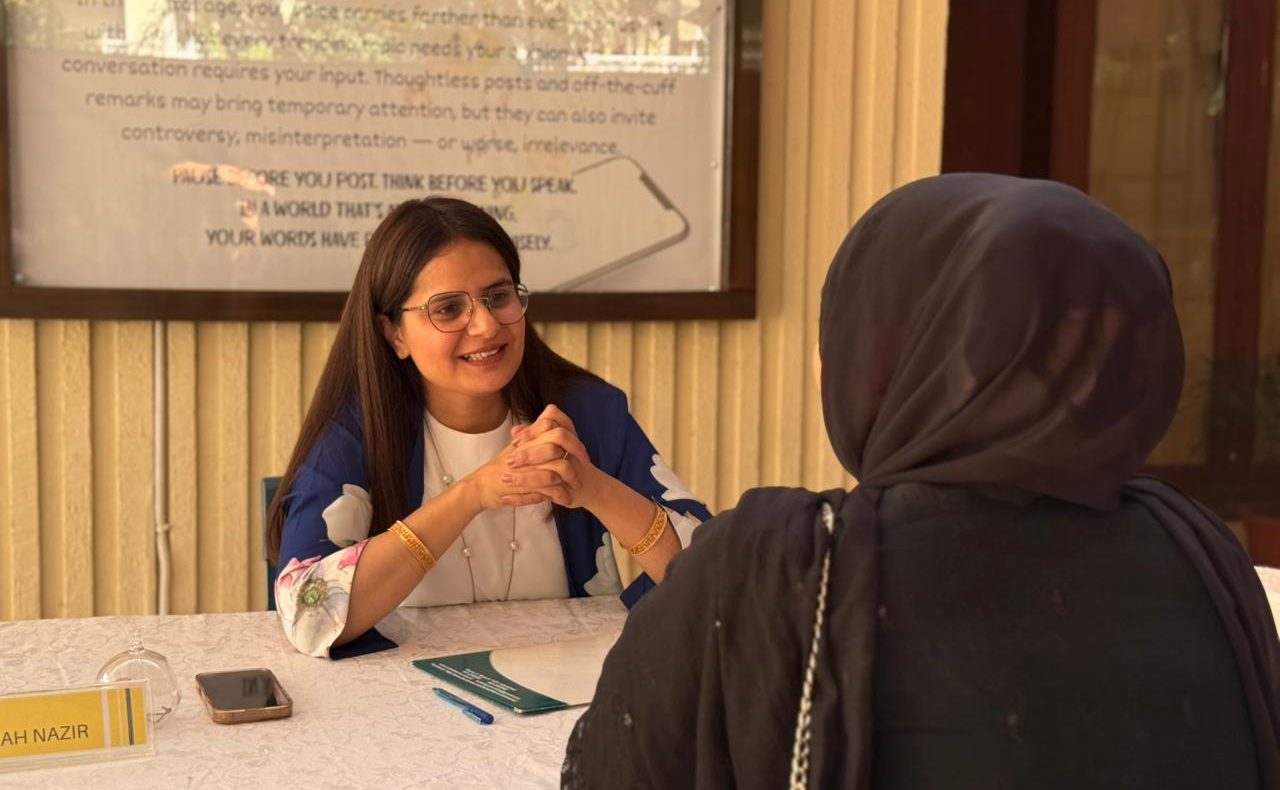
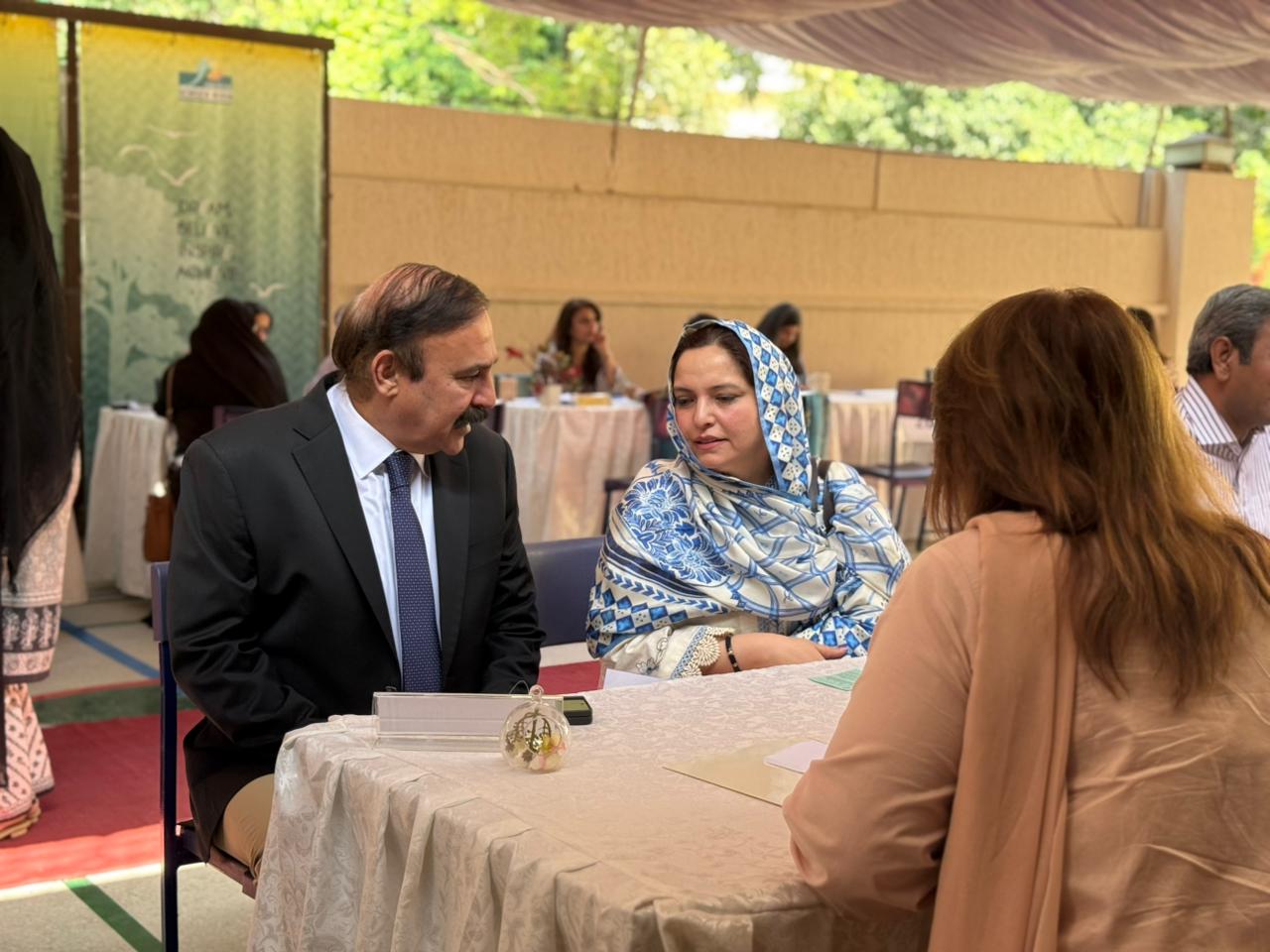
Parent-Teacher Meetings at Schola Nova are far more than formal check-ins — they are conversations that nurture understanding and trust. By coming together with empathy and purpose, parents and teachers can create a unified approach to every child’s growth.

Let’s continue to strengthen this partnership. Let’s make every PTM a step toward progress — for our children, for our school, and for the community we build together.

Contact Information

📍 Schola Nova – Street 6, F-8/3, Islamabad
🌐 Website: www.scholanova.edu.pk
📞 Phone: 051-2855003 | +92 330 9892003

A Day in the Life at Schola Nova

Through the Eyes of a Student and a Teacher

At Schola Nova, every day begins not just with the ringing of a bell, but with a sense of purpose. Whether it’s a curious student stepping into class or a passionate teacher preparing for the day ahead, the energy is unmistakable: this is a place where learning is alive, and every moment matters.

From the Student’s Perspective: Zara, Grade 6

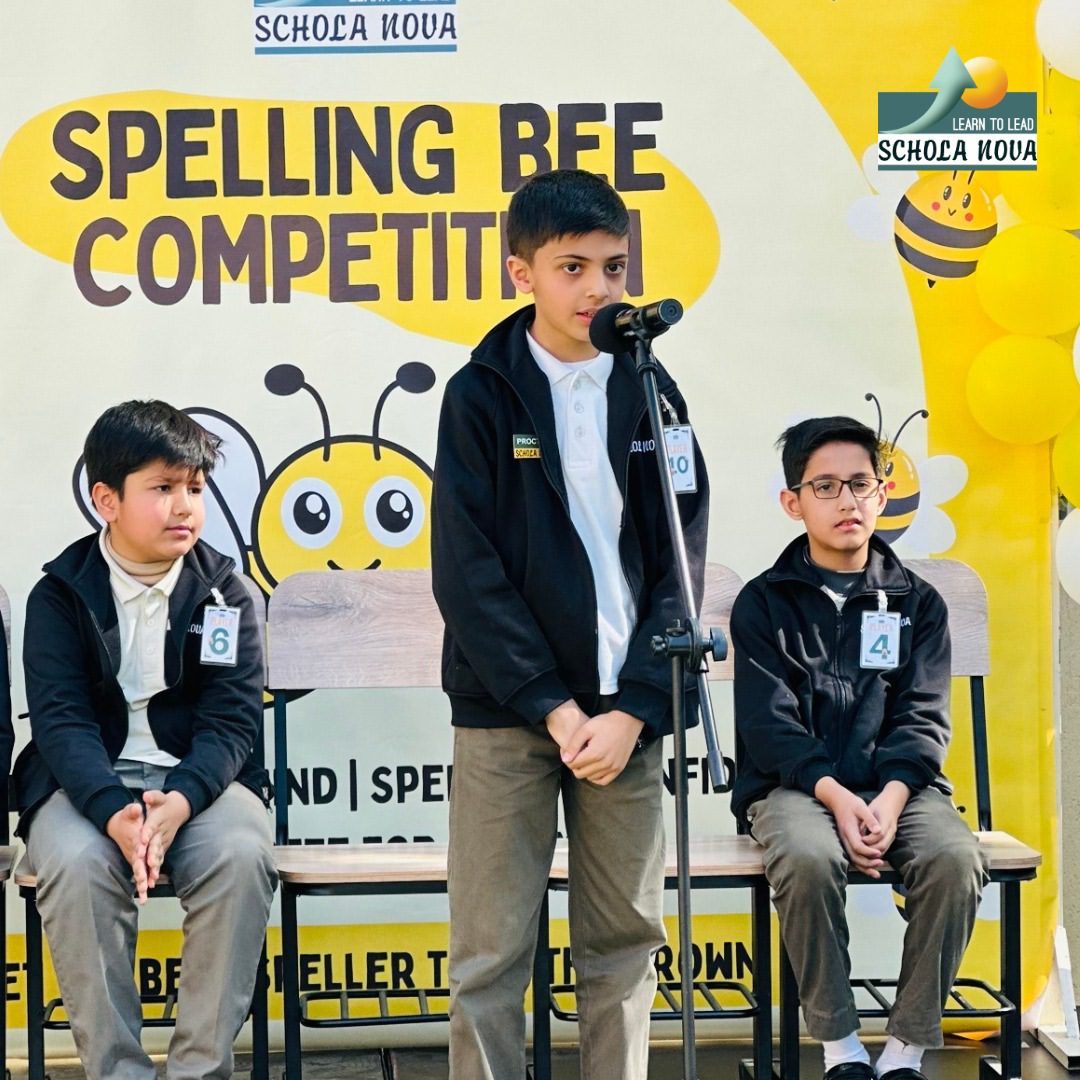
I arrive at school just before 8:00 AM, greeted by the familiar smiles of my friends and the warm “Good morning!” from our gate staff. The courtyard buzzes with excitement some students are rehearsing for the drama festival, others chatting about yesterday’s spelling bee. I feel proud to be part of a school where every talent is celebrated.

Our first period is English, and today we’re exploring persuasive writing. Ma’am Saadia reads us a sample letter, and we discuss how tone can shape a message. I raise my hand to share an example from our recent school newsletter; yes, the one that went out to parents! It feels amazing to know our work is valued beyond the classroom.


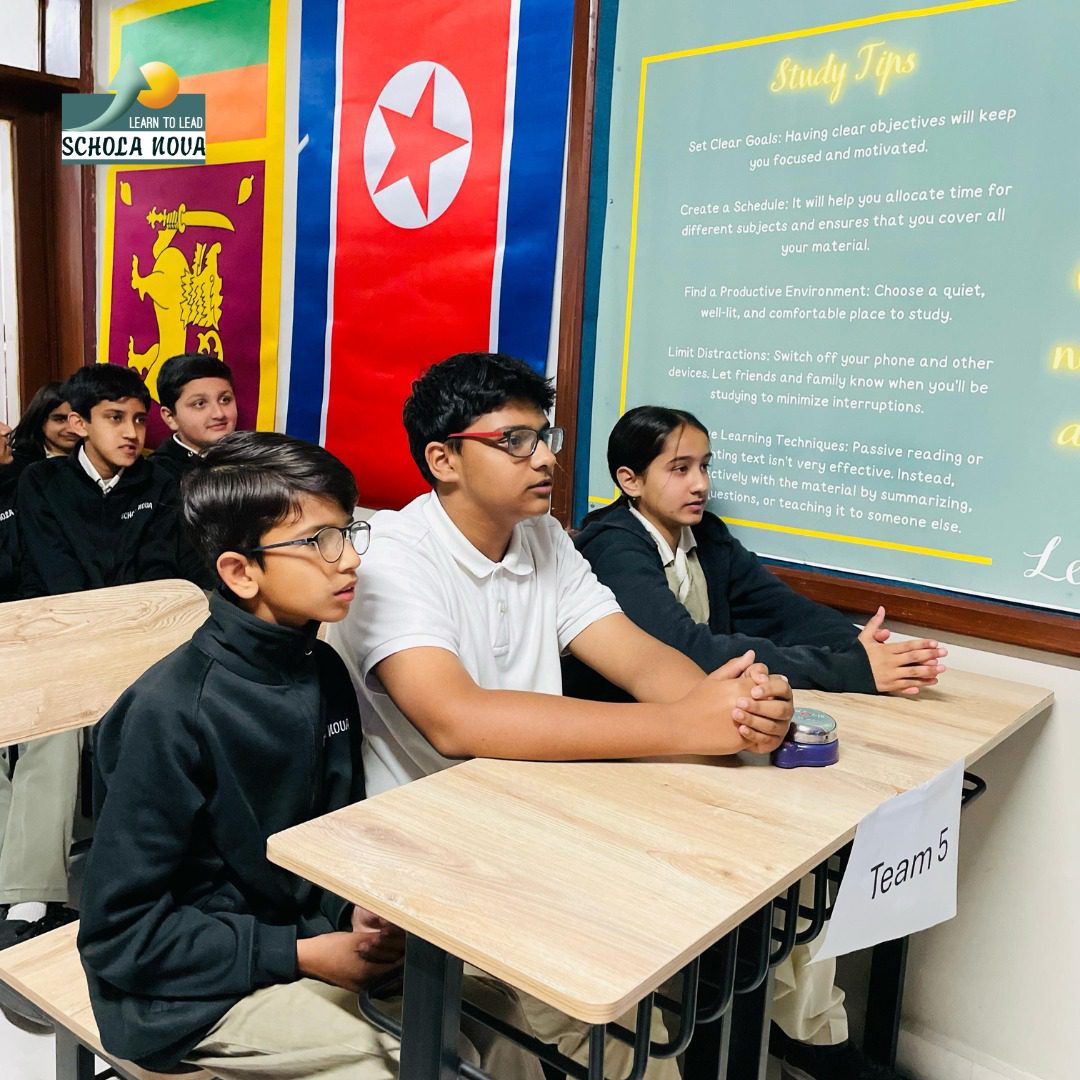
Break time is a whirlwind of laughter, snacks, and planning for the upcoming Vexillology competition. I am designing a flag that represents unity and courage two things I have learned a lot about here.

By the time we reach our afternoon science lab, I am still energized. We are building simple circuits today, and our teacher lets us experiment freely. “Mistakes are part of learning,” she reminds us. That’s something I have come to believe deeply at Schola Nova.

As the day ends, I pack my bag with a sense of accomplishment. Tomorrow brings new challenges—but here, I know I’ll be ready.

From the Teacher’s Perspective: Mr. Mukarram, Middle School Faculty

My day begins before the students arrive—with a quiet walk through the corridors, checking displays, and reviewing my lesson plans. I pause at the bulletin board showcasing student achievements. A recent academic distinction, a heartfelt thank-you note from a parent—it’s a reminder of why we do what we do.

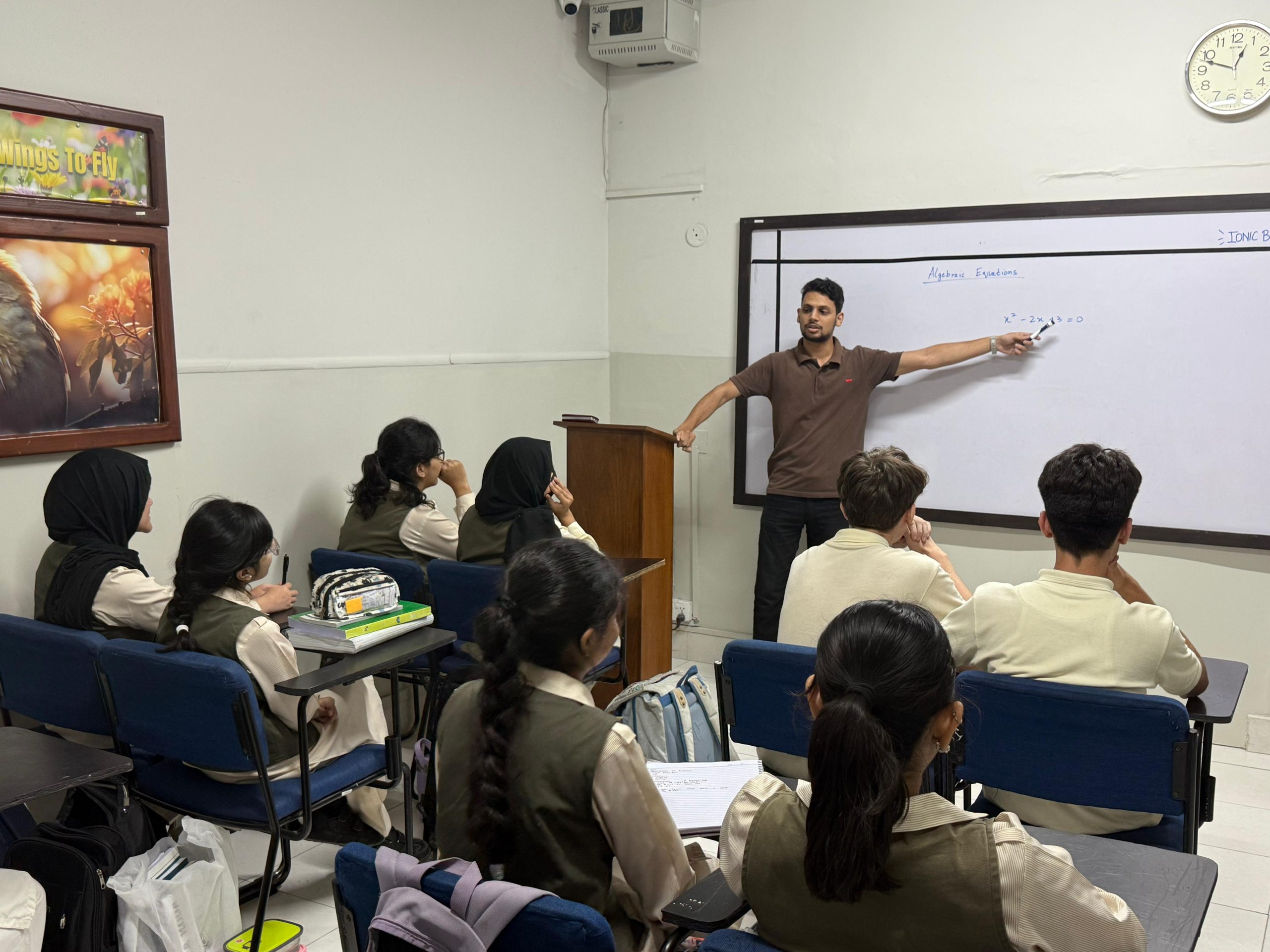
First period is Math, and I am introducing a new concept. I have prepared a hands-on activity to make it stick, and the students dive in with enthusiasm. Their questions are sharp, their curiosity genuine. It’s not just about formulas—it’s about critical thinking.

Midday brings a faculty huddle. We discuss upcoming events, share ideas, and celebrate small wins. There’s a spirit of collaboration here that’s rare—teachers lifting each other up, always focused on what’s best for the students.

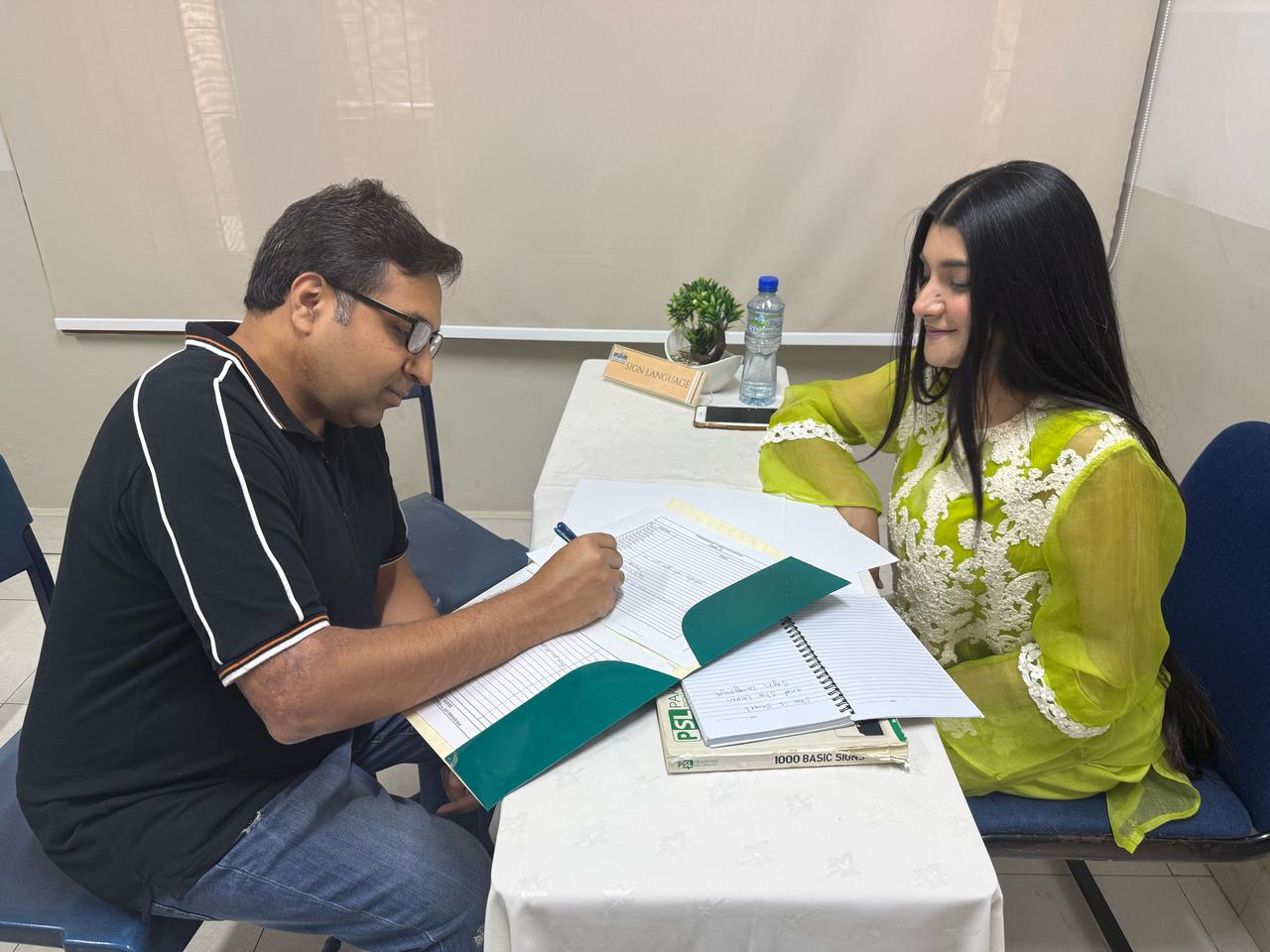
Later, I meet with a parent who’s new to the school. We talk about expectations, routines, and how we nurture not just academic growth but emotional wellbeing. I explain our communication philosophy: clear, inclusive, and values-driven. The parent leaves reassured—and I feel proud of the trust we have built.

As the final bell rings, I walk out knowing that today wasn’t just another day—it was a step forward in a shared journey of excellence.

What Makes Schola Nova Special?

At Schola Nova, every day is a blend of structure and celebration, rigor and warmth. Whether it’s a spelling bee, a science experiment, or a heartfelt conversation, we believe in nurturing the whole child—and supporting every teacher who makes that possible.

This is more than a school.
It’s a community.
It’s a culture.
It’s a place where learning feels like belonging.

From Struggles to Distinctions: How Schola Nova Nurtures Every Learner


From Struggles to Distinctions: How Schola Nova Nurtures Every Learner


At Schola Nova, we believe that every child carries within them the potential to succeed not just in academics, but in life. Success, for us, is not limited to high grades or prestigious university placements. It is also about confidence, resilience, creativity, and character.

Our philosophy rests on the principle that every learner is unique. Some students excel quickly, while others require more time, repetition, or encouragement. Some thrive in structured lessons, while others blossom when given creative freedom. Recognizing these differences is what makes Schola Nova’s approach distinctive.

That is why we have built a culture that emphasizes remedial support, one-on-one attention, differentiated instruction, challenges for high achievers, and Academic Quests. Together, these strategies ensure that no student is left behind and every student is lifted forward.


  1. Remedial Support: Bridging Gaps, Building Confidence

Every teacher knows the quiet worry of a student struggling to keep up the hesitation before answering a question, the reluctance to attempt a problem on the board, the fading enthusiasm for a subject once loved. At Schola Nova, we see these signs not as failures but as opportunities for timely intervention.

Our Remedial System

  • Identifying Needs: Through continuous assessments, teacher observations, and parent feedback, we identify students who may be falling behind.
  • Tailored Plans: Once identified, students are given remedial lessons in Mathematics, English, or Urdu, depending on the area of concern.
  • Individualized Materials: Teachers prepare customized worksheets, practical exercises, and guided revision tasks for these learners.


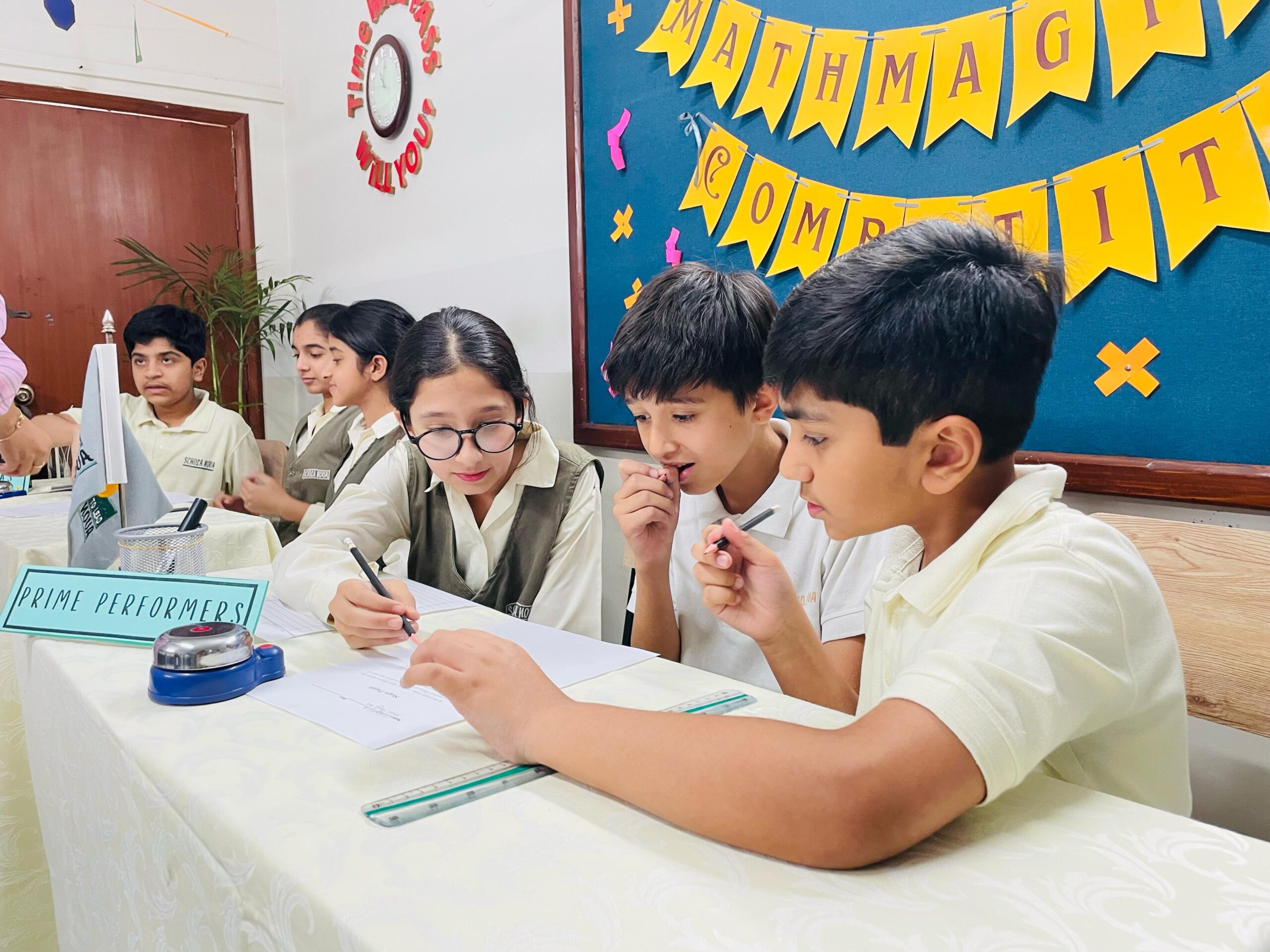
In Grade V last year, one student struggled persistently in Math. Despite regular lessons, her confidence was low, and she began avoiding Math altogether. Recognizing this, the school arranged remedial classes three times a week. By the end of the term, not only had she mastered fractions, but she was also one of the top scorers in the Math Magician challenge.

This is the power of remedial support it doesn’t just improve marks, it restores confidence and joy in learning.

  1. One-on-One Attention: Every Child Matters

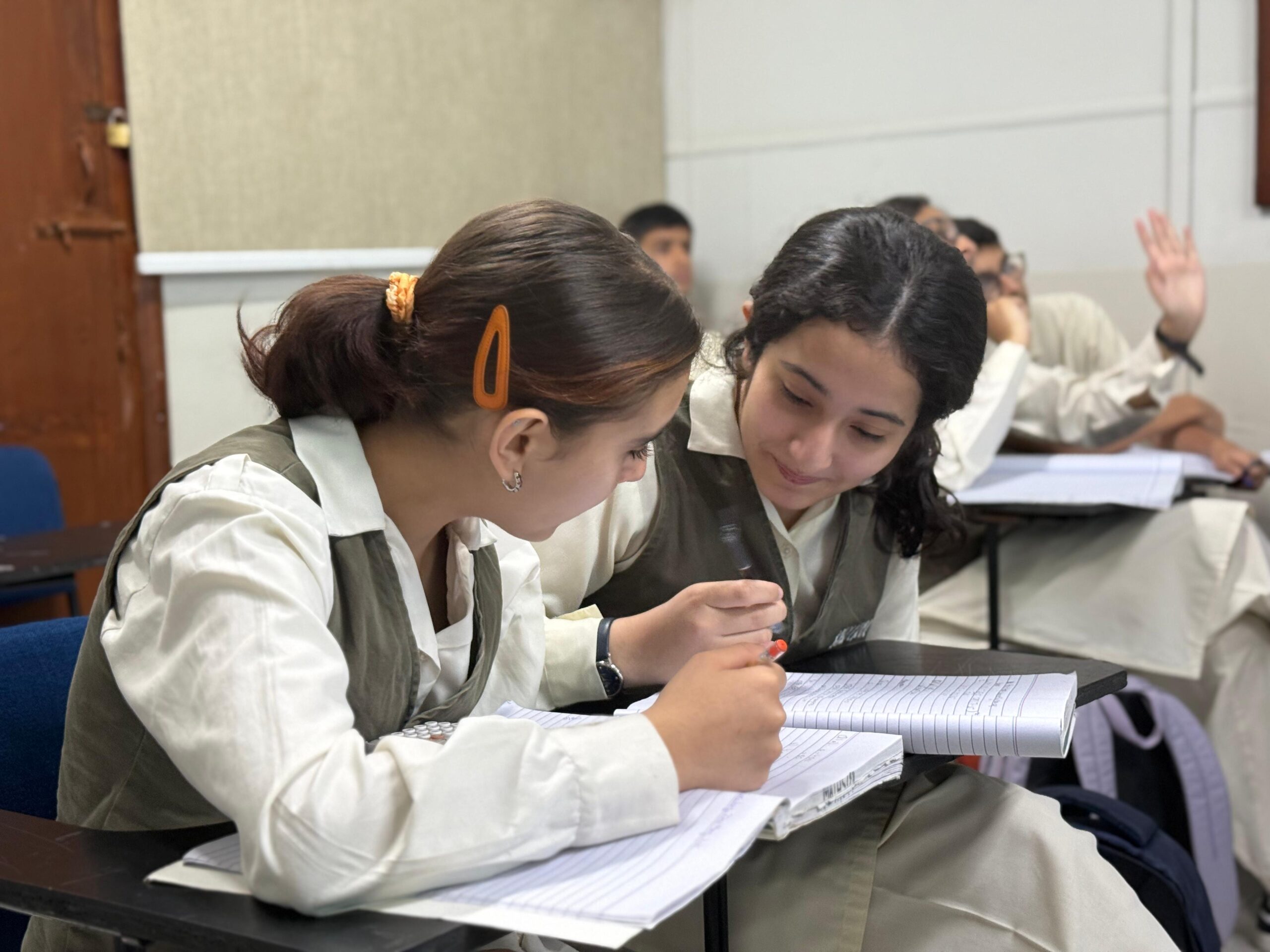
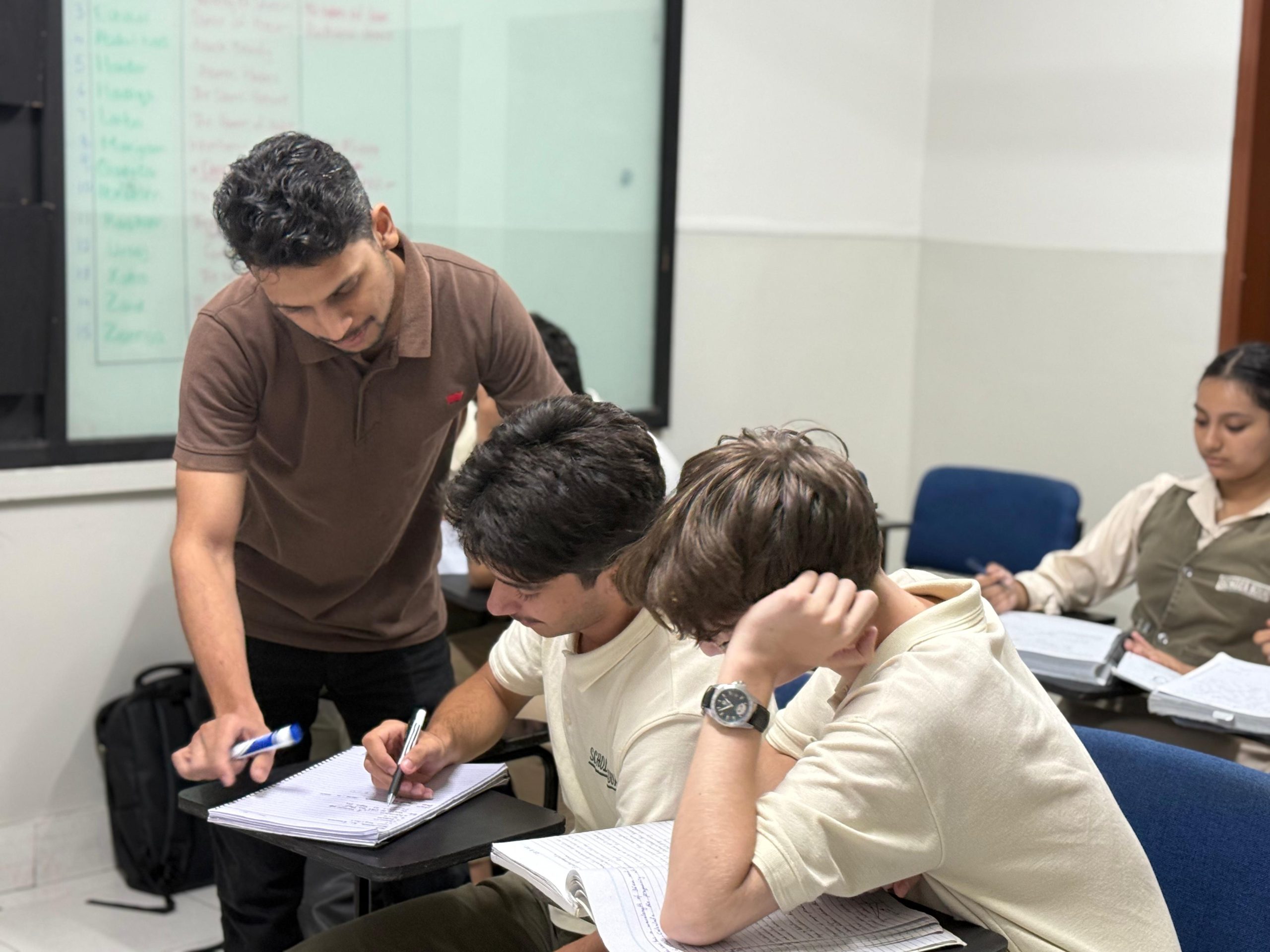
In many schools, students can feel lost in the crowd. At Schola Nova, our smaller class sizes and close-knit community ensure that every child is seen, heard, and supported.

Why It Matters

Research shows that one-on-one teacher attention can boost academic performance, but more importantly, it builds self-belief. When a student feels that their teacher truly knows and cares about them, they are more willing to take risks, ask questions, and persevere.

How We Provide It

  • Small Class Sizes: Our student–teacher ratio allows educators to notice and address individual struggles quickly.
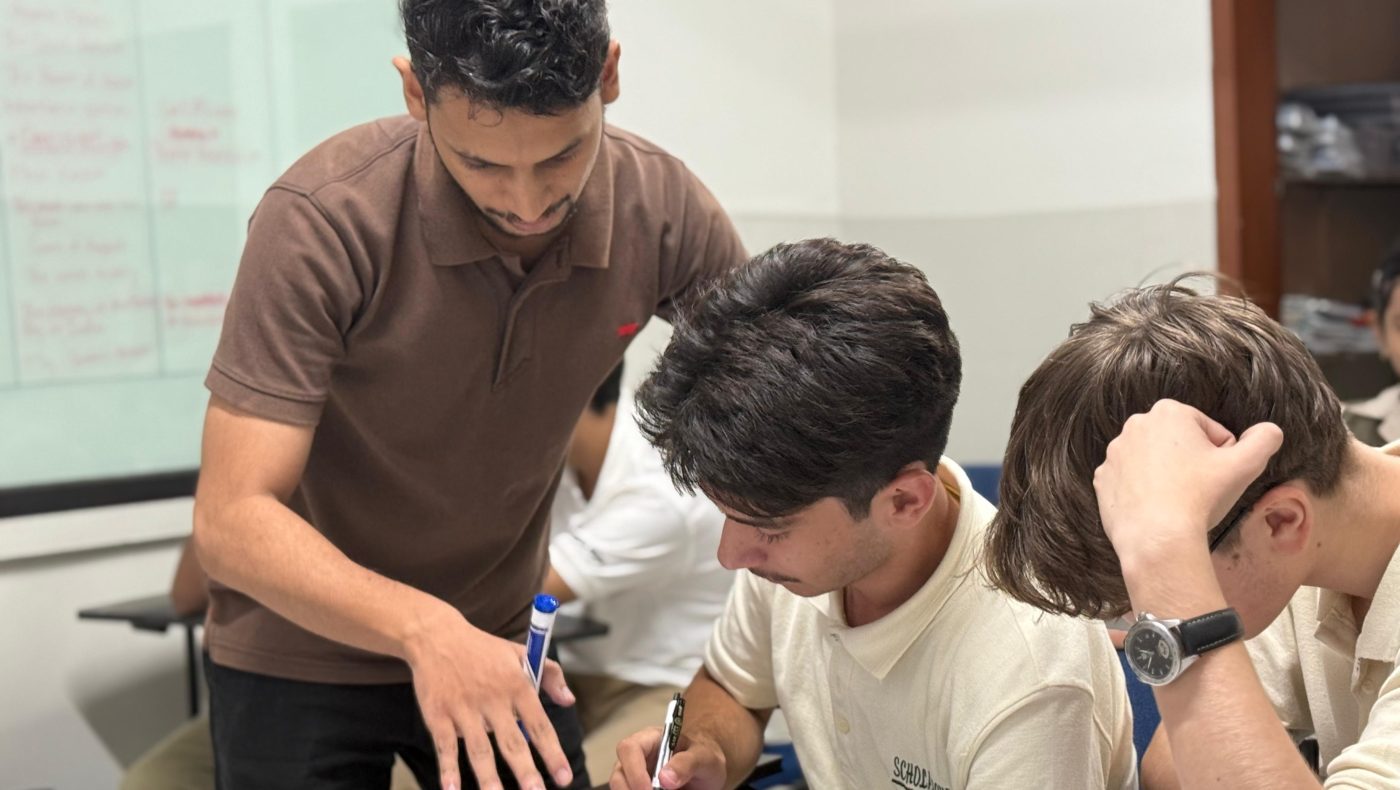
  • Mentoring Time: Teachers dedicate extra minutes before or after school, or during free lessons, to guide students personally.
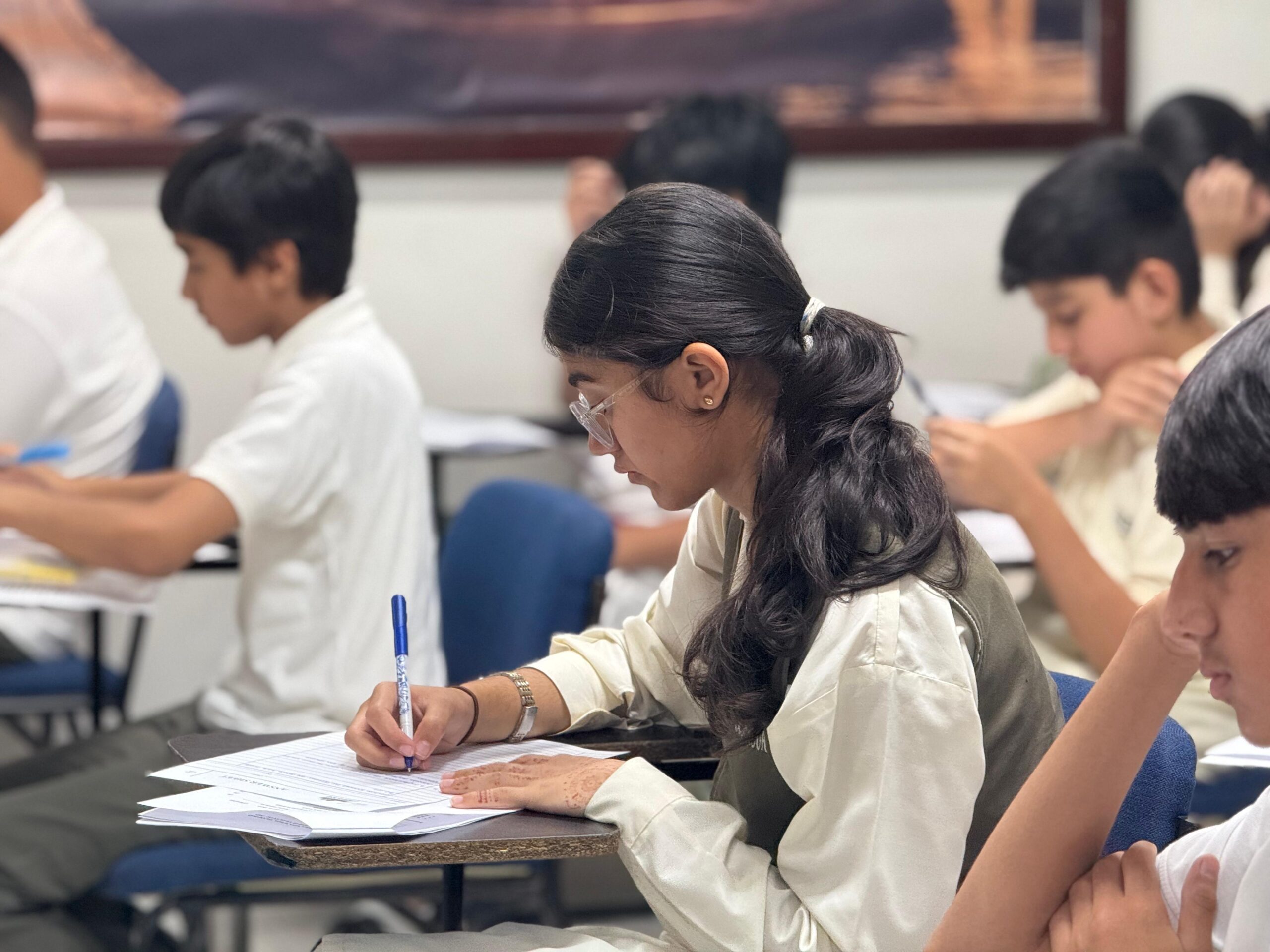
  • Exam Preparation: Before CAIEs, students receive individual feedback sessions, where teachers help them craft personal study strategies.

One parent recently shared:

“My son was always shy in class. But at Schola Nova, his teacher spent extra time with him after school, gently encouraging him. Today, not only are his grades better, but he confidently takes part in class discussions. The personal attention made all the difference.”

At Schola Nova, students are not numbers they are individuals. This is why one-on-one attention is central to our teaching philosophy.


  1. Nurturing High Achievers: Preparing for Distinctions

Supporting student success also means recognizing and cultivating the talents of our high achievers and gifted learners. These students often master concepts quickly and need extra levels of challenge to stay engaged and continue growing.

How We Challenge Them

  • Advanced Assignments: High achievers are given deeper, more complex tasks that go beyond the textbook. For example, while the class works on solving equations, gifted learners might explore applications in real-life problem-solving or higher-level mathematics.
  • Close Mentorship: Teachers provide additional one-on-one mentoring sessions for students showing distinction potential in CAIE subjects. They receive targeted guidance on exam techniques, essay structuring, and advanced content.

Prepping for Distinctions in CAIE

Our track record of students achieving distinctions in CAIE exams reflects this approach. High achievers undergo:

  • Rigorous Revision Cycles with personalized feedback.
  • Practice Exam Sessions designed at a higher level of difficulty than standard past papers.
  • Focused Time Management Coaching, since distinction often comes down to precision and efficiency.


By providing these extra levels of challenge and close training, Schola Nova ensures that gifted learners are not simply maintained at their level — they are pushed to excel, mentored to aim higher, and prepared to achieve international recognition.


  1. Academic Quests: Turning Learning into Adventure

Learning should never be boring. That’s why at Schola Nova, we transform academic challenges into quests of discovery.

What Are Academic Quests?

Academic Quests are inter-disciplinary, activity-based experiences where students apply classroom knowledge in exciting, real-world contexts.

  • Spelling Bee: Building vocabulary and confidence in English.

  • Math Magician: Making numbers fun through problem-solving challenges.

  • Vexillology: Knowledge of Flags

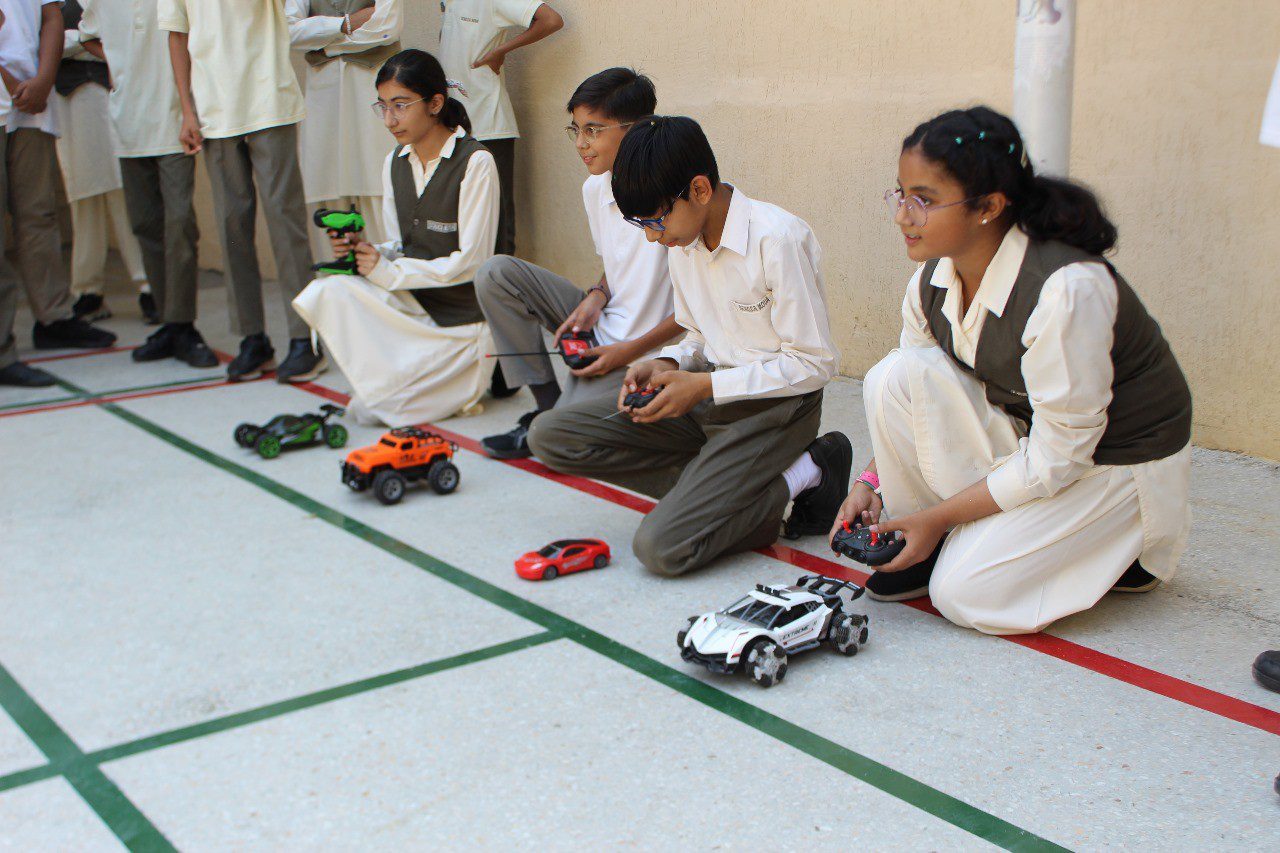
  • STEAM Projects: Blending science, technology, engineering, arts, and mathematics into creative solutions.

Why They Work

Academic Quests develop critical thinking, problem-solving, creativity, and teamwork. More importantly, they ignite a passion for learning.

By turning academics into adventures, Schola Nova ensures that learning is not just about memorization but about curiosity, innovation, and real-life application.


  1. Differentiated Instruction: Teaching Every Child at Their Level

No two students learn in exactly the same way — and at Schola Nova, our teachers are trained to embrace this diversity.

Our Approach

  • Flexible Lesson Planning: Teachers prepare lessons with multiple entry points so every child can engage.
  • Varied Teaching Methods: Visual aids, group discussions, role play, hands-on projects, and technology integration.
  • Inclusive Assessment: Students are given choices in how they demonstrate learning  essays, presentations, models, or creative projects.

Inclusivity in Exams

Through our collaboration with the British Council, students with learning difficulties receive exam accommodations such as extra time, breaks, or modified papers. This ensures fairness and inclusivity.

  1. Emotional Support and Mentoring: Because Success Is Holistic

At Schola Nova, we understand that academics are just one part of student success. A child who feels stressed, anxious, or unsupported emotionally cannot reach their full potential.

How We Support Emotional Well-Being

  • Open-Door Policy: Students are encouraged to speak with teachers or counselors whenever they feel overwhelmed.
  • Confidence Building: Regular assemblies, debates, and class presentations help students build self-esteem.
  • Exam Stress Management: Before CAIEs, workshops are held on time management, stress reduction, and positive study habits.


  1. Celebrating Success in Every Form

At Schola Nova, success is not confined to report cards. It includes academic victories, personal growth, and values lived every day.

  • Academic Excellence: Our students consistently deliver outstanding CAIE results, proving that our methods work.
  • Personal Growth: Students learn leadership through prefectships, teamwork through sports, and resilience through challenges.
  • Community Recognition: We celebrate every milestone — whether it’s winning an inter-school debate or a quiet moment of kindness observed by a teacher.

As one teacher beautifully puts it:

“At Schola Nova, we don’t just teach students. We celebrate them for who they are becoming, as much as for what they are achieving.”


Supporting student success is not a single program or policy it is a culture. At Schola Nova, we ensure that:

  • Remedial support bridges learning gaps.
  • One-on-one attention ensures every child feels valued.
  • High achievers receive the extra push to aim for distinctions.
  • Academic Quests spark curiosity and passion.
  • Differentiated instruction respects diverse learners.
  • Emotional mentoring builds resilience and confidence.

Together, these elements create an environment where every learner has the chance to thrive.

At Schola Nova, we don’t just prepare students for exams — we prepare them for life.

Because here, success belongs to every child.