
Future of Education: What Schools Will Look Like in the Next 10 Years

A Schola Nova Perspective on Learning, Growth, and the Child of Tomorrow

 There was a time when school meant rows of desks, a chalkboard at the front, and a quiet expectation to listen, memorise, and repeat. For many of us, that is the image we still carry. But if we pause and observe the world around us today, it becomes clear that education is gently, yet powerfully, transforming.

When parents now ask about the future of education and what schools will look like in the next 10 years, the question carries a deeper concern. It is not just about academics anymore. It is about readiness for life, adaptability, emotional strength, and the ability to thrive in an ever-evolving world.

At Schola Nova, we often reflect on this shift not as a distant prediction, but as a responsibility we hold in the present. Because the future of education is not something that will arrive suddenly; it is something we are shaping, day by day, in our classrooms, conversations, and connections with our students.

 From Classrooms to Learning Spaces

The schools of the future will not feel rigid or confined. Instead, they will feel alive.

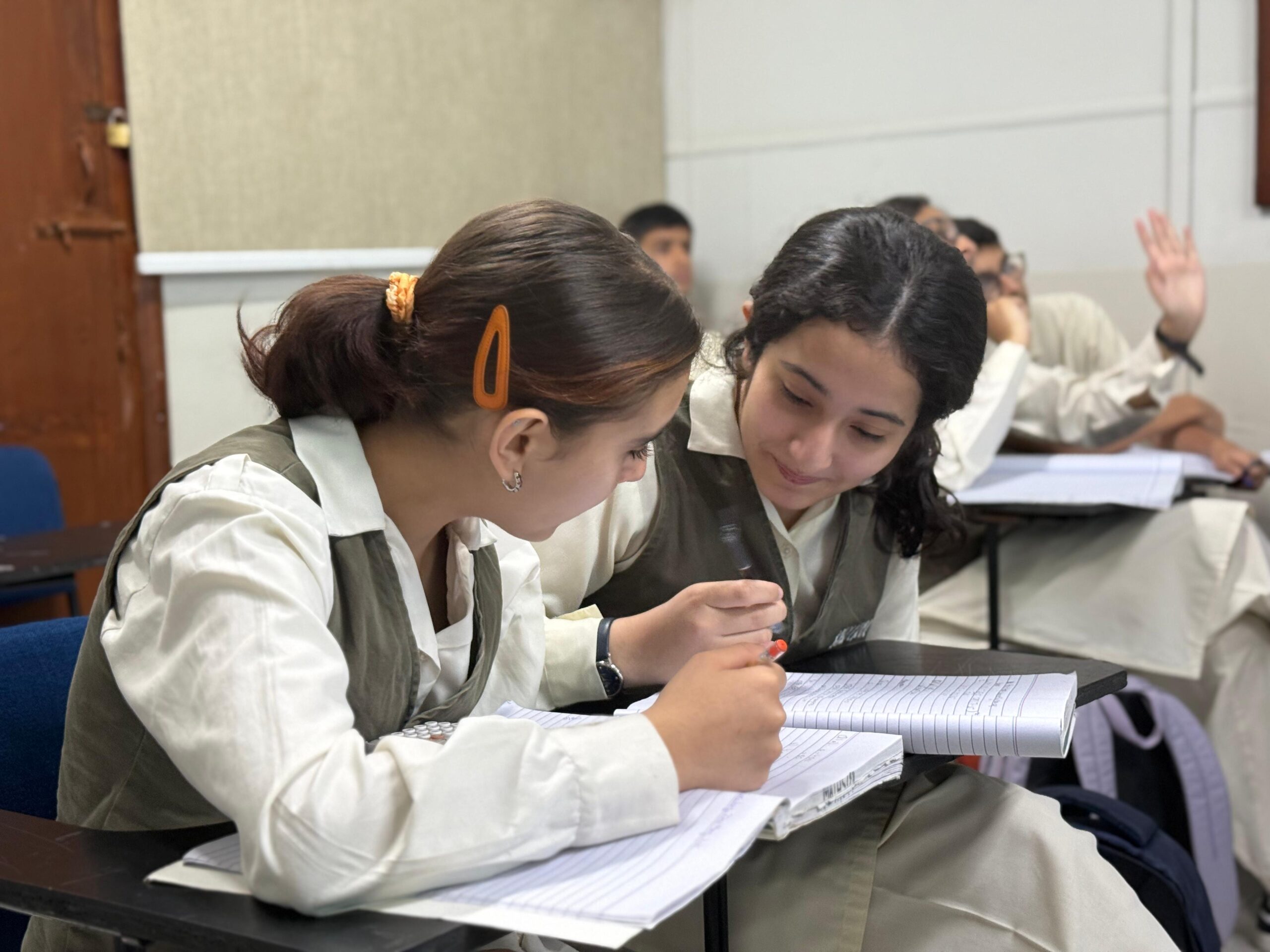
Learning spaces will become more flexible, collaborative, and student-centered. The traditional idea of a classroom will expand into an environment where curiosity leads the way. Children will move between discussions, hands-on activities, creative exploration, and independent thinking often within the same lesson.

At Schola Nova, this transition has already begun. We see learning not as a fixed process, but as a journey that adapts to the needs of each child. The classroom is no longer just a place where information is delivered, it is where ideas are discovered, questioned, and shaped.

For parents searching for the best schools in Islamabad, this shift is becoming an important factor. It is no longer about how much a child can memorise, but how deeply they can understand and engage.

Technology as a Natural Extension of Learning

In the next 10 years, technology will not stand out as something “extra” in education. It will quietly integrate into everyday learning.

Students will interact with digital tools, research platforms, and interactive resources in ways that feel seamless and intuitive. Lessons will extend beyond textbooks into visual, experiential, and globally connected formats.

However, what will truly matter is not the presence of technology, but how it is used.

At Schola Nova, we believe that technology should support thinking not replace it. It should open doors, not create dependence. The goal is to help students become thoughtful users of information, not passive consumers.

This balanced approach ensures that while students are prepared for a digital future, they remain grounded in critical thinking, creativity, and human connection.

 The Rise of Personalised Learning

Every child carries a unique way of understanding the world. Some learn by observing, others by doing. Some need time to process, while others thrive in discussion.

The future of education recognises this diversity.

In the coming years, schools will move away from a “one-size-fits-all” model. Instead, learning will become more personalized adapting to each child’s pace, strengths, and areas of growth.

Teachers will no longer simply deliver content; they will guide, observe, and support each learner’s journey.

At Schola Nova, this philosophy is deeply embedded in our approach. We see each student not as part of a system, but as an individual with potential waiting to be understood and nurtured.

For parents exploring modern education in Islamabad, personalised learning is not just a trend, it is a necessity. It is what builds confidence, reduces anxiety, and allows children to truly connect with what they are learning.

From Memorisation to Meaningful Skills

Perhaps the most significant shift in the future of education will be the move from memorisation to application.

Information is no longer scarce. In fact, it is everywhere. What matters now is the ability to interpret, analyse, and use that information effectively.

In the next 10 years, schools will focus more on:

  • Critical thinking
  • Problem solving
  • Communication
  • Collaboration
  • Creativity

These are not just academic skillsthey are life skills.

At Schola Nova, we often remind ourselves that a student’s success is not defined by how much they can recall during an exam, but by how well they can navigate real-life situations with clarity and confidence.

Parents looking for the best schools in Islamabad are increasingly recognising this. They are asking questions beyond grades. They are looking for environments that prepare children for the real world not just the next test.

Blended Learning: The Balance Between Structure and Flexibility

The idea of learning will expand beyond physical boundaries.

Future schools will offer a blend of in-class and online learning experiences. This does not mean replacing traditional education, but enhancing it with flexibility and accessibility.

Students will have opportunities to revisit concepts, explore topics independently, and engage with global resources all while maintaining the structure and discipline of a school environment.

At Schola Nova, we understand that balance is key.

Too much flexibility can feel overwhelming, while too much structure can feel restrictive. The goal is to create a learning experience where students feel supported, yet empowered.

This balanced approach is especially important in today’s world, where adaptability is not just an advantage, it is a requirement.

Emotional Wellbeing at the Heart of Education

One of the most meaningful changes we will see in the future of education is the prioritisation of emotional wellbeing.

For a long time, education focused primarily on academic outcomes. But we are now beginning to understand that a child’s ability to learn is deeply connected to how they feel.

In the next 10 years, schools will place greater emphasis on:

  • Emotional awareness
  • Stress management
  • Building resilience
  • Healthy relationships
  • Self-confidence

Teachers will play a crucial role not just as educators, but as mentors and guides.

At Schola Nova, we believe that a child who feels safe, understood, and valued is a child who is ready to learn.

This is why creating a supportive environment is not an addition to education, it is its foundation.

For families seeking schools in Islamabad that truly understand their child’s needs, emotional wellbeing is becoming a defining factor.

Global Learning in a Connected World

The world is no longer divided by borders in the way it once was.

Students today are growing up in a globally connected environment, and education must reflect that.

In the future, schools will provide greater exposure to:

  • Diverse cultures and perspectives
  • International curricula such as Cambridge and IGCSE
  • Collaborative projects with students across the world
  • Opportunities that prepare students for global careers

At Schola Nova, this global outlook is an essential part of our vision.

We prepare students not just to succeed locally, but to step confidently into international spaces; academically, professionally, and socially.

For parents searching for the best schools in Islamabad, global exposure is no longer a luxury. It is an important part of preparing children for the opportunities ahead.

The Quiet Power of Values and Character

While much will change in the future of education, some things will remain timeless.

Values. Character. Integrity. Empathy.

These cannot be replaced by technology or taught through textbooks alone. They are developed through experience, guidance, and meaningful relationships.

In the schools of the future, character education will hold as much importance as academic achievement.

At Schola Nova, we often see that the most lasting lessons are not always written in notebooks. They are felt in moments of teamwork, in acts of kindness, in the confidence a child builds over time.

Because in the end, education is not just about shaping minds. It is about shaping individuals.

Choosing the Right School Today

When we talk about the future of education and what schools will look like in the next 10 years, the question naturally leads to another:

What should parents look for in a school today?

The answer lies in alignment.

A school should not only meet present needs but also prepare a child for what lies ahead. It should offer:

  • A balance of academics and skills
  • A nurturing and emotionally safe environment
  • Opportunities for creativity and exploration
  • Exposure to global learning standards
  • A personalised approach to growth

At Schola Nova, we strive to bring these elements together in a way that feels both structured and deeply human.

A Future That Begins Today

The future of education is often described as something exciting, innovative, and full of possibilities and it is.

But more importantly, it is something that is already unfolding.

In classrooms where questions are encouraged.
In teachers who choose to understand rather than instruct.
In students who are learning not just what to think, but how to think.

At Schola Nova, we see this future every day—in the quiet confidence of a child who begins to believe in themselves, in the curiosity that leads to discovery, and in the sense of belonging that makes learning meaningful.

Because ultimately, the goal of education is not just to prepare children for the future.

It is to help them feel ready for it.



AI in the Classroom: A Friend, Not a Shortcut

Artificial Intelligence (AI) is reshaping how children learn, think, and express themselves. From writing essays to solving science problems, tools like ChatGPT, DeepSeek, and Google Gemini have quickly become part of students’ academic lives.

At Schola Nova Islamabad, one of the best schools of Islamabad offering IGCSE and O Level programs, we believe in nurturing curiosity with responsibility. As technology advances, it becomes essential for young learners to understand not just how to use AI, but how to use it wisely as a partner in learning, not a replacement for thinking.


 What Are ChatGPT, DeepSeek & Google Gemini?

  • ChatGPT: A conversational AI by OpenAI that explains lessons, answers questions, and even helps with creative writing or research.
  • DeepSeek: A newer AI model from China, known for supporting multiple languages and helping with coding, projects, and academic writing.
  • Google Gemini: Developed by Google DeepMind, it processes text, images, and audio together, making it one of the most interactive learning tools today.

Together, these platforms represent an exciting leap in education but, like every powerful tool, they must be handled with care.


How AI Helps Students Learn Better

AI can make learning more engaging and accessible when used thoughtfully. Here are some ways it supports students’ growth:

  1. Instant Academic Support: Tools like ChatGPT can explain complex ideas in seconds, helping students review lessons in science, history, or mathematics anytime.
  2. Improved Writing and Expression: AI models correct grammar, suggest vocabulary, and guide students in structuring essays, enhancing their writing confidence.
  3. Personalized Learning: Each child learns differently. AI allows learners to set their own pace, request simpler explanations, or explore advanced content.
  4. Preparation for the Future: Understanding AI today equips students with the digital fluency needed for tomorrow’s world where every field will integrate technology.
  5. Confidence and Curiosity: When used well, AI encourages children to ask questions and explore beyond textbooks, nurturing lifelong curiosity.


The Other Side: Risks of Overusing AI

At Schola Nova, we remind students that technology is powerful — but only when balanced with independent thought. The risks of AI misuse include:

  1. Incorrect or Misleading Information: AI sometimes sounds confident even when wrong. Students must double-check with teachers and reliable sources.
  2. Over-Reliance on Technology: Using AI for every task can make students passive learners, reducing their creativity and problem-solving ability.
  3. Academic Dishonesty: Copying AI-generated work without understanding it defeats the purpose of learning. Original thought matters.
  4. Privacy and Data Concerns: Students must never share personal details like names, photos, or school information on AI platforms.
  5. Reduced Human Interaction: No screen can replace the joy of discussion, teamwork, and classroom collaboration.
  6. Digital Inequality: Not every child has the same access to technology, reminding us that empathy and inclusion are as important as innovation.


Responsible AI Use at Schola Nova

As one of Islamabad’s most forward-thinking IGCSE and O Level schools, Schola Nova encourages digital literacy with mindfulness. We guide our students to use AI in ways that enhance learning, not replace effort.

  •         Here are our golden rules for responsible AI use:
  •         Use AI to understand topics,  never to copy answers.
  •         Cross-check all information with books, teachers, or reliable sources.
  •         Protect privacy, never share personal data.
  •         Seek teacher guidance when unsure about how to use AI.
  •         Balance digital tools with real reading, reflection, and discussion.


A Practical Example

Not Recommended: “Write my essay on climate change.”
Better Approach: “Give me ideas for an essay about how students can help fight climate change.”

The goal is not to have AI do the thinking,  it’s to make our thinking deeper and more informed.


Conclusion: Learning with Heart and Mind

Artificial Intelligence is here to stay, but how we use it will define the kind of learners and citizens our children become. At Schola Nova, we don’t fear technology; we teach students to lead it with wisdom, empathy, and integrity.

In nurturing this balance, we ensure that our students grow into the kind of thinkers the world truly needs curious, kind, and responsible.

Because real learning is not just about what a machine can answer it’s about how a human can understand, connect, and create meaning from it.


From Struggles to Distinctions: How Schola Nova Nurtures Every Learner


From Struggles to Distinctions: How Schola Nova Nurtures Every Learner


At Schola Nova, we believe that every child carries within them the potential to succeed not just in academics, but in life. Success, for us, is not limited to high grades or prestigious university placements. It is also about confidence, resilience, creativity, and character.

Our philosophy rests on the principle that every learner is unique. Some students excel quickly, while others require more time, repetition, or encouragement. Some thrive in structured lessons, while others blossom when given creative freedom. Recognizing these differences is what makes Schola Nova’s approach distinctive.

That is why we have built a culture that emphasizes remedial support, one-on-one attention, differentiated instruction, challenges for high achievers, and Academic Quests. Together, these strategies ensure that no student is left behind and every student is lifted forward.


  1. Remedial Support: Bridging Gaps, Building Confidence

Every teacher knows the quiet worry of a student struggling to keep up the hesitation before answering a question, the reluctance to attempt a problem on the board, the fading enthusiasm for a subject once loved. At Schola Nova, we see these signs not as failures but as opportunities for timely intervention.

Our Remedial System

  • Identifying Needs: Through continuous assessments, teacher observations, and parent feedback, we identify students who may be falling behind.
  • Tailored Plans: Once identified, students are given remedial lessons in Mathematics, English, or Urdu, depending on the area of concern.
  • Individualized Materials: Teachers prepare customized worksheets, practical exercises, and guided revision tasks for these learners.


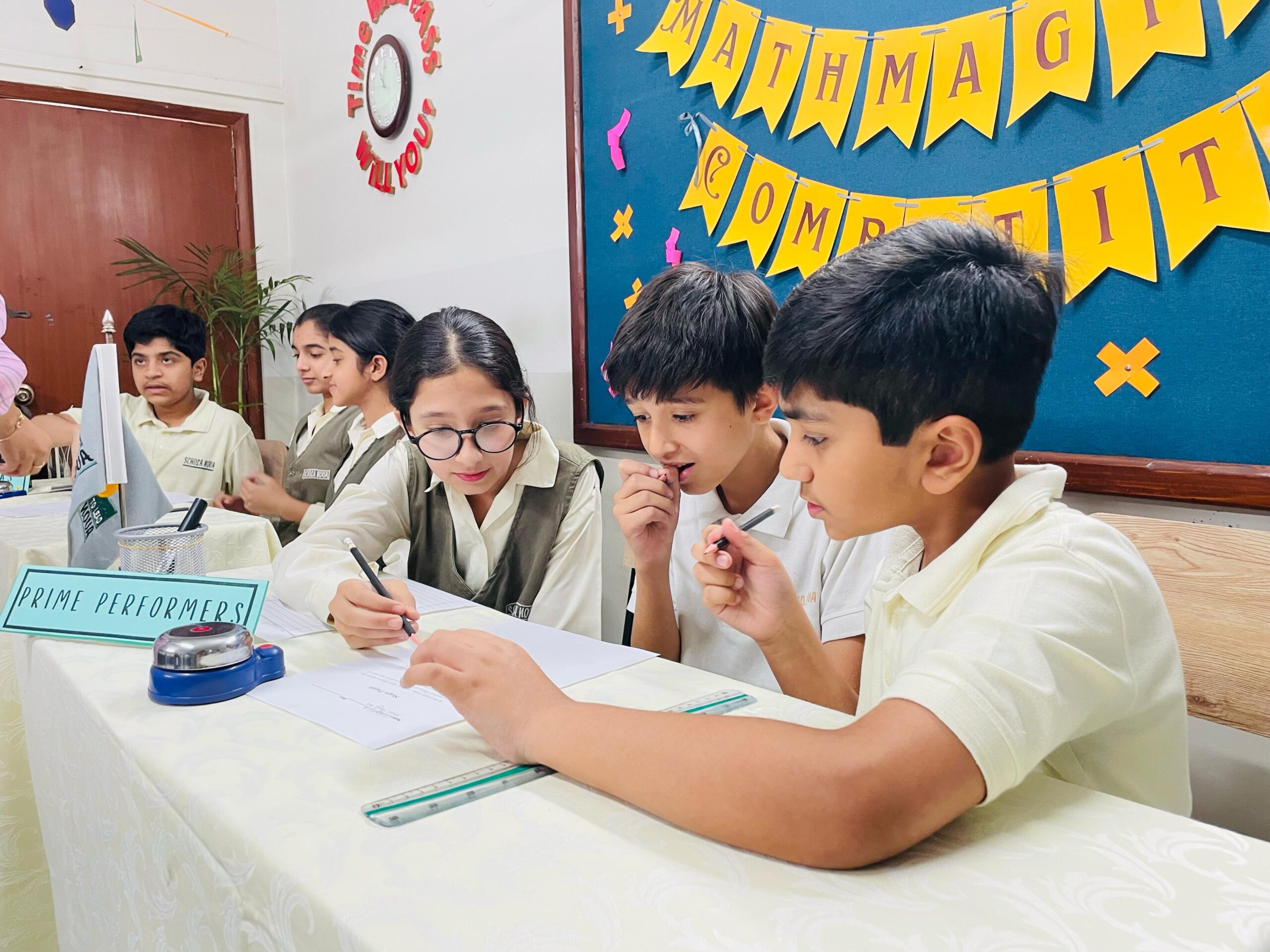
In Grade V last year, one student struggled persistently in Math. Despite regular lessons, her confidence was low, and she began avoiding Math altogether. Recognizing this, the school arranged remedial classes three times a week. By the end of the term, not only had she mastered fractions, but she was also one of the top scorers in the Math Magician challenge.

This is the power of remedial support it doesn’t just improve marks, it restores confidence and joy in learning.

  1. One-on-One Attention: Every Child Matters

In many schools, students can feel lost in the crowd. At Schola Nova, our smaller class sizes and close-knit community ensure that every child is seen, heard, and supported.

Why It Matters

Research shows that one-on-one teacher attention can boost academic performance, but more importantly, it builds self-belief. When a student feels that their teacher truly knows and cares about them, they are more willing to take risks, ask questions, and persevere.

How We Provide It

  • Small Class Sizes: Our student–teacher ratio allows educators to notice and address individual struggles quickly.
  • Mentoring Time: Teachers dedicate extra minutes before or after school, or during free lessons, to guide students personally.
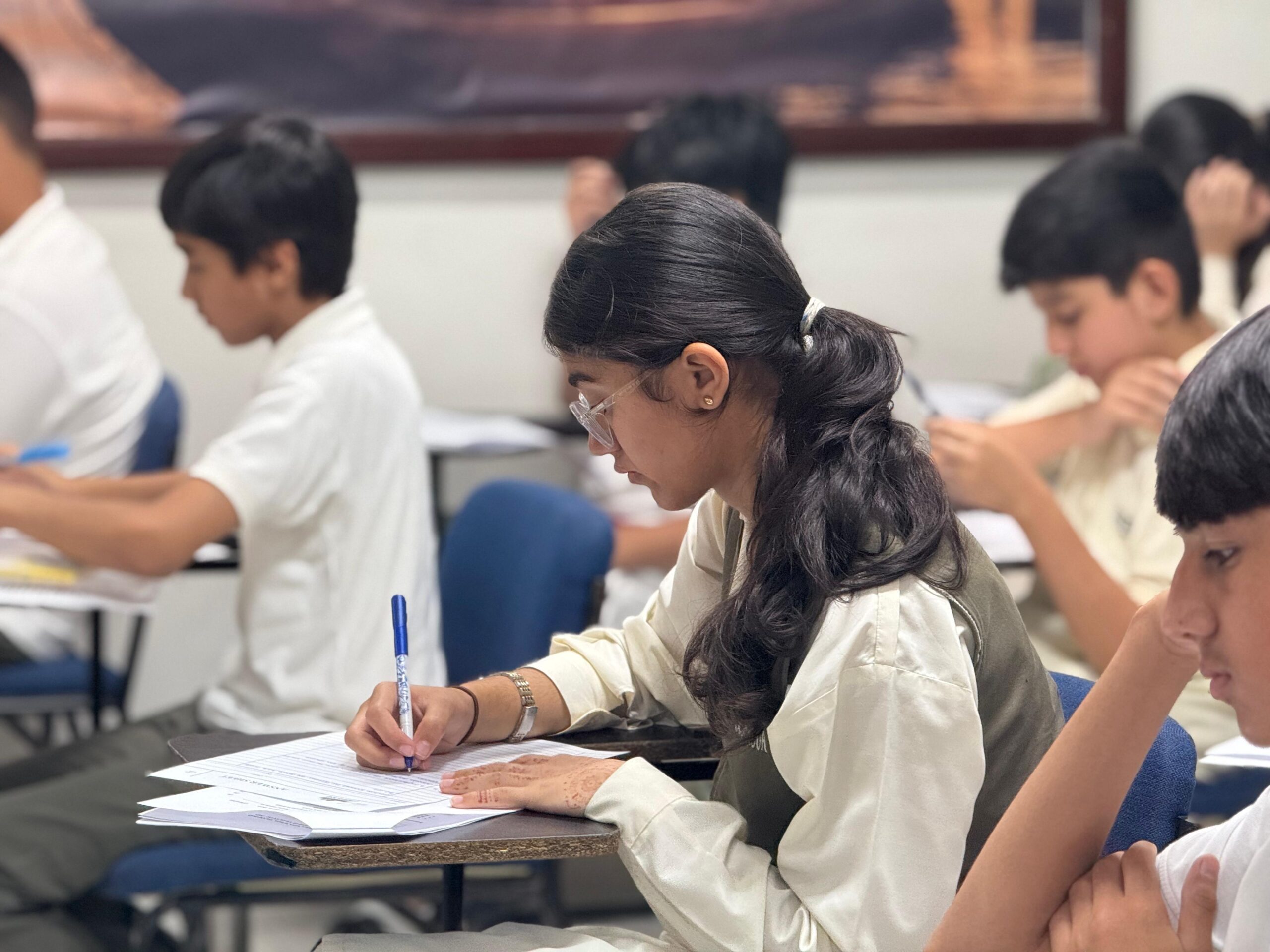
  • Exam Preparation: Before CAIEs, students receive individual feedback sessions, where teachers help them craft personal study strategies.

One parent recently shared:

“My son was always shy in class. But at Schola Nova, his teacher spent extra time with him after school, gently encouraging him. Today, not only are his grades better, but he confidently takes part in class discussions. The personal attention made all the difference.”

At Schola Nova, students are not numbers they are individuals. This is why one-on-one attention is central to our teaching philosophy.


  1. Nurturing High Achievers: Preparing for Distinctions

Supporting student success also means recognizing and cultivating the talents of our high achievers and gifted learners. These students often master concepts quickly and need extra levels of challenge to stay engaged and continue growing.

How We Challenge Them

  • Advanced Assignments: High achievers are given deeper, more complex tasks that go beyond the textbook. For example, while the class works on solving equations, gifted learners might explore applications in real-life problem-solving or higher-level mathematics.
  • Close Mentorship: Teachers provide additional one-on-one mentoring sessions for students showing distinction potential in CAIE subjects. They receive targeted guidance on exam techniques, essay structuring, and advanced content.

Prepping for Distinctions in CAIE

Our track record of students achieving distinctions in CAIE exams reflects this approach. High achievers undergo:

  • Rigorous Revision Cycles with personalized feedback.
  • Practice Exam Sessions designed at a higher level of difficulty than standard past papers.
  • Focused Time Management Coaching, since distinction often comes down to precision and efficiency.


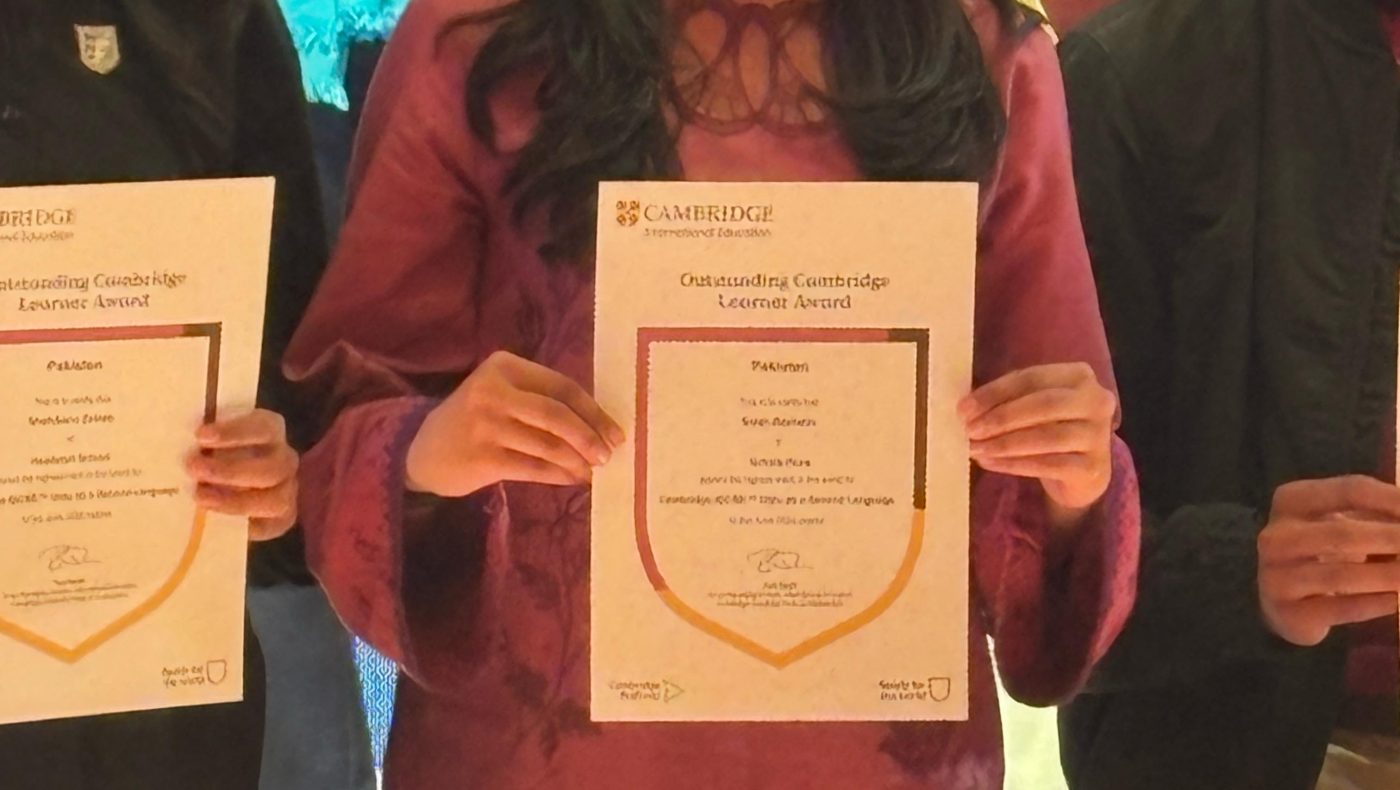
By providing these extra levels of challenge and close training, Schola Nova ensures that gifted learners are not simply maintained at their level — they are pushed to excel, mentored to aim higher, and prepared to achieve international recognition.


  1. Academic Quests: Turning Learning into Adventure

Learning should never be boring. That’s why at Schola Nova, we transform academic challenges into quests of discovery.

What Are Academic Quests?

Academic Quests are inter-disciplinary, activity-based experiences where students apply classroom knowledge in exciting, real-world contexts.

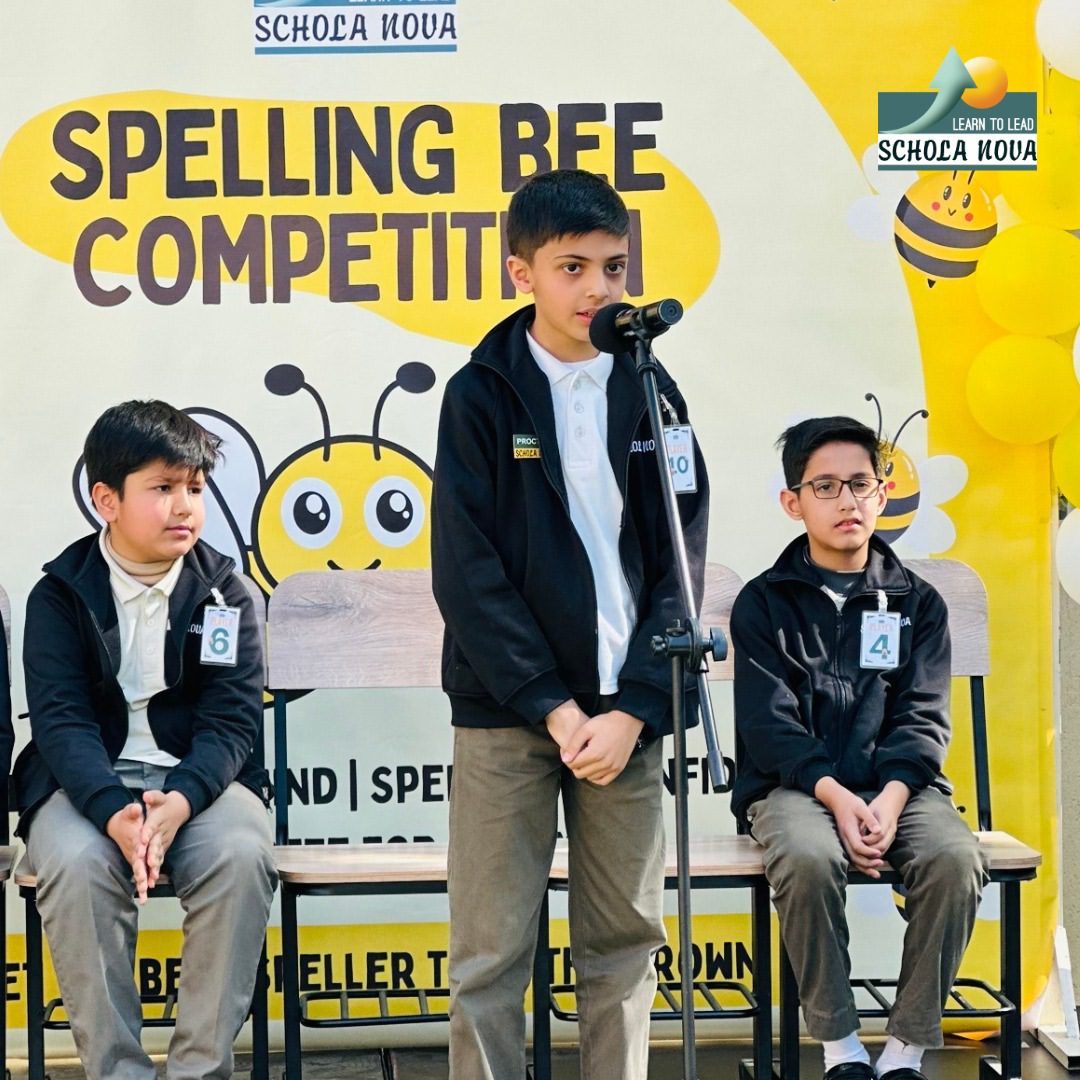
  • Spelling Bee: Building vocabulary and confidence in English.

  • Math Magician: Making numbers fun through problem-solving challenges.

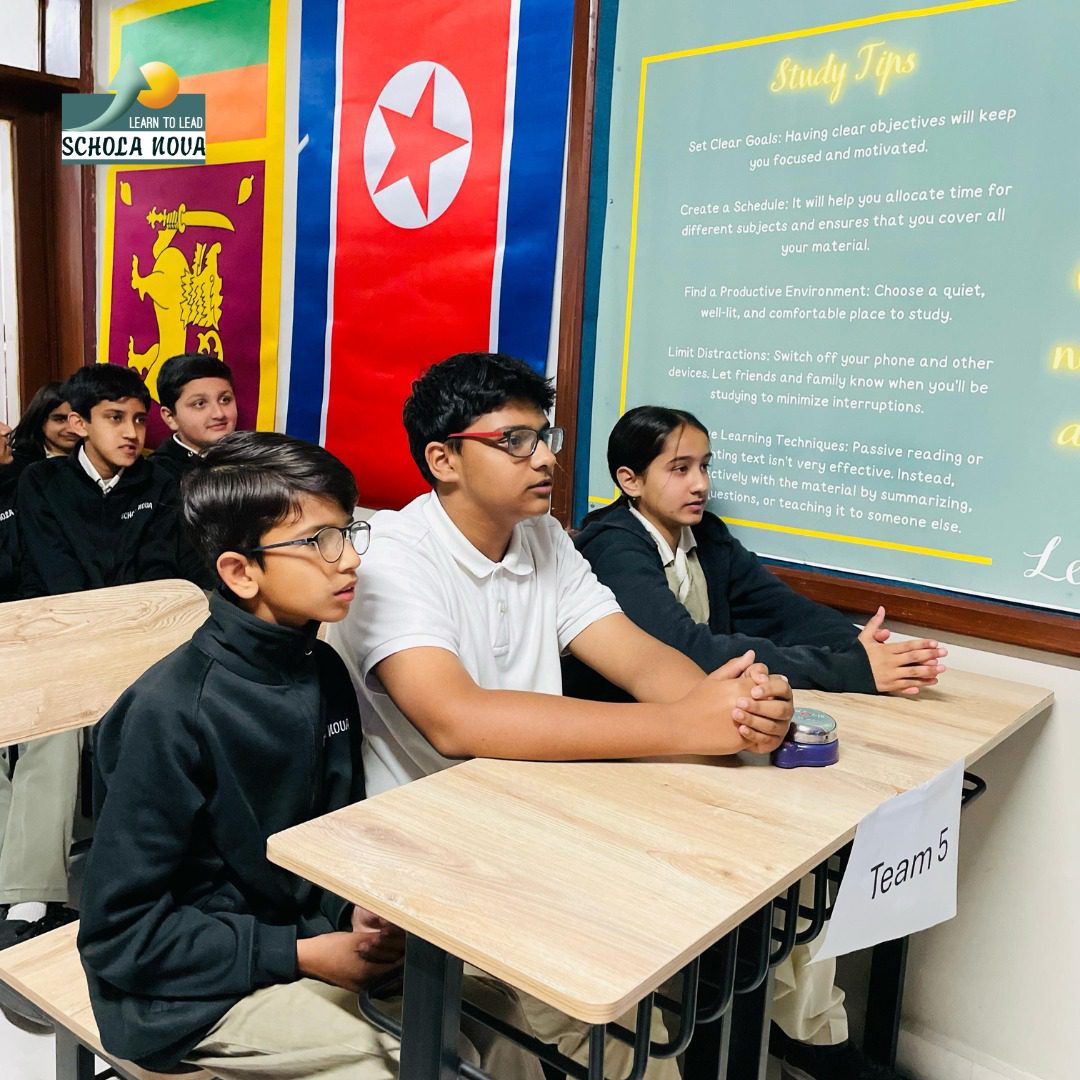
  • Vexillology: Knowledge of Flags

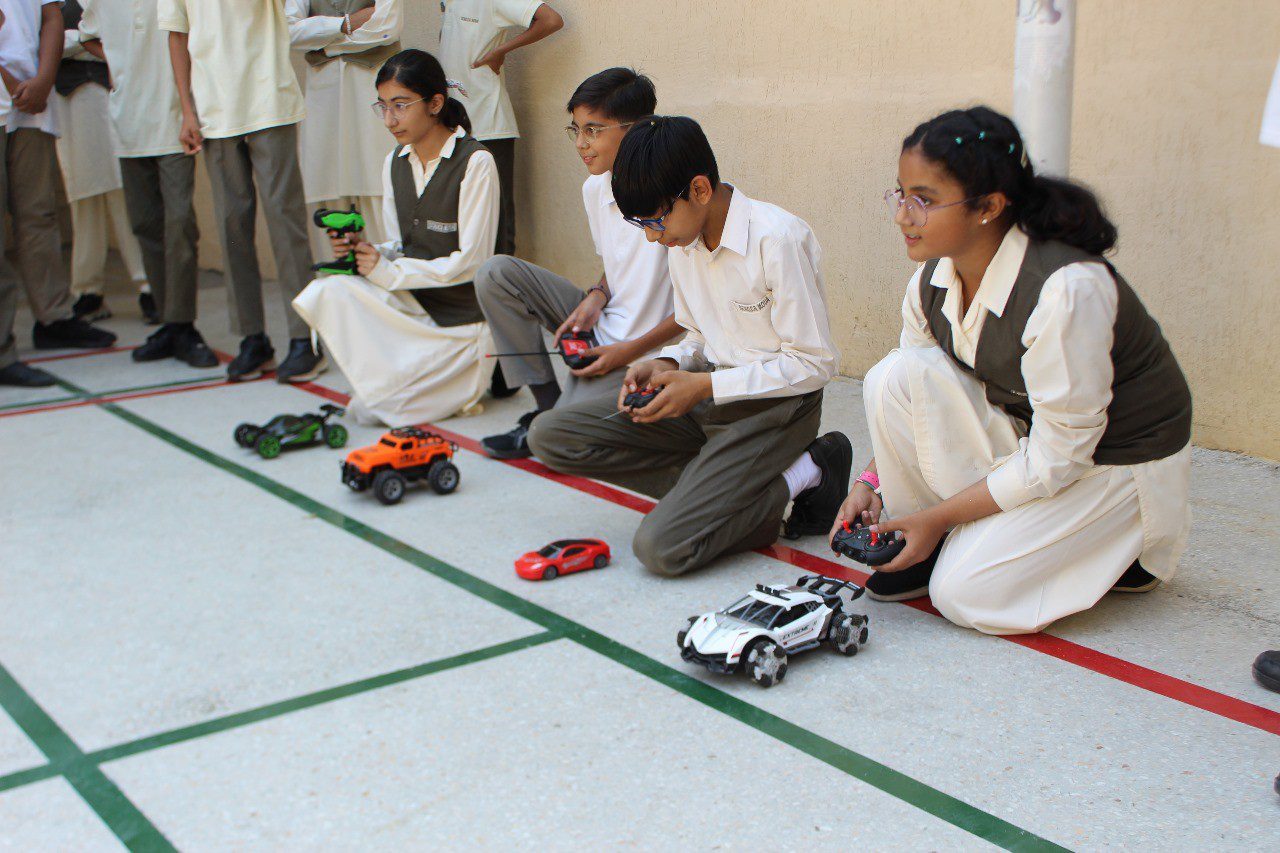
  • STEAM Projects: Blending science, technology, engineering, arts, and mathematics into creative solutions.

Why They Work

Academic Quests develop critical thinking, problem-solving, creativity, and teamwork. More importantly, they ignite a passion for learning.

By turning academics into adventures, Schola Nova ensures that learning is not just about memorization but about curiosity, innovation, and real-life application.


  1. Differentiated Instruction: Teaching Every Child at Their Level

No two students learn in exactly the same way — and at Schola Nova, our teachers are trained to embrace this diversity.

Our Approach

  • Flexible Lesson Planning: Teachers prepare lessons with multiple entry points so every child can engage.
  • Varied Teaching Methods: Visual aids, group discussions, role play, hands-on projects, and technology integration.
  • Inclusive Assessment: Students are given choices in how they demonstrate learning  essays, presentations, models, or creative projects.

Inclusivity in Exams

Through our collaboration with the British Council, students with learning difficulties receive exam accommodations such as extra time, breaks, or modified papers. This ensures fairness and inclusivity.

  1. Emotional Support and Mentoring: Because Success Is Holistic

At Schola Nova, we understand that academics are just one part of student success. A child who feels stressed, anxious, or unsupported emotionally cannot reach their full potential.

How We Support Emotional Well-Being

  • Open-Door Policy: Students are encouraged to speak with teachers or counselors whenever they feel overwhelmed.
  • Confidence Building: Regular assemblies, debates, and class presentations help students build self-esteem.
  • Exam Stress Management: Before CAIEs, workshops are held on time management, stress reduction, and positive study habits.


  1. Celebrating Success in Every Form

At Schola Nova, success is not confined to report cards. It includes academic victories, personal growth, and values lived every day.

  • Academic Excellence: Our students consistently deliver outstanding CAIE results, proving that our methods work.
  • Personal Growth: Students learn leadership through prefectships, teamwork through sports, and resilience through challenges.
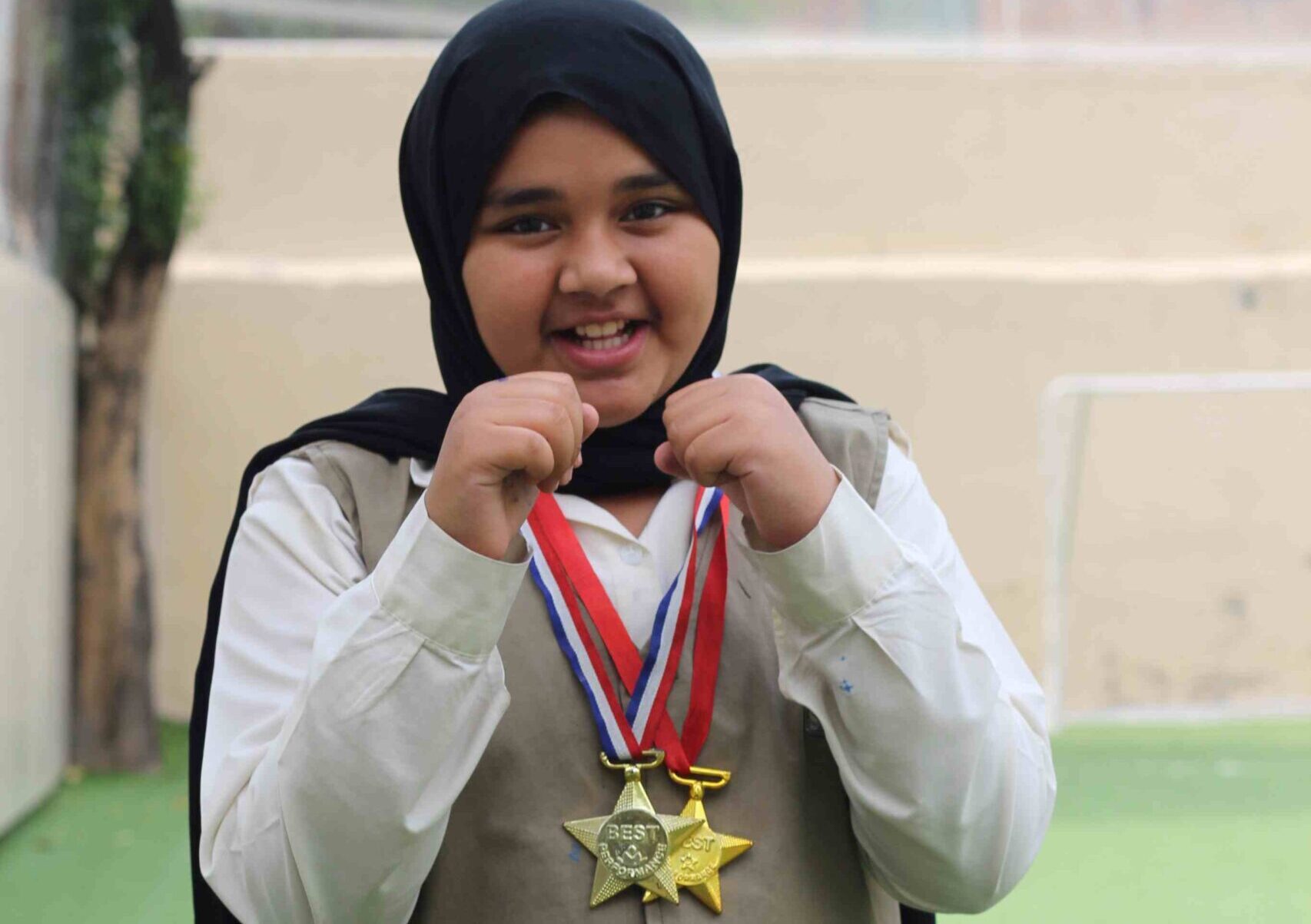
  • Community Recognition: We celebrate every milestone — whether it’s winning an inter-school debate or a quiet moment of kindness observed by a teacher.

As one teacher beautifully puts it:

“At Schola Nova, we don’t just teach students. We celebrate them for who they are becoming, as much as for what they are achieving.”


Supporting student success is not a single program or policy it is a culture. At Schola Nova, we ensure that:

  • Remedial support bridges learning gaps.
  • One-on-one attention ensures every child feels valued.
  • High achievers receive the extra push to aim for distinctions.
  • Academic Quests spark curiosity and passion.
  • Differentiated instruction respects diverse learners.
  • Emotional mentoring builds resilience and confidence.

Together, these elements create an environment where every learner has the chance to thrive.

At Schola Nova, we don’t just prepare students for exams — we prepare them for life.

Because here, success belongs to every child.