The Shift Every Parent Is Quietly Feeling

There was a time when choosing a school felt simpler.

You looked at results. You asked about discipline. You checked how many distinctions the school produced. And somewhere in that process, you felt reassured that you had made the “right” decision.

But parents today are asking different questions.

Not always out loud.
But quietly, in their own moments.

Will my child feel confident here?
Will they be understood?
Will they be prepared for a world that even I do not fully understand?

Because the truth is, the world our children are growing into is very different from the one we were prepared for.

And education, slowly but surely, is beginning to reflect that shift.

From Fitting In to Being Understood

For decades, children were expected to adjust themselves to the system.

If they were too slow, they had to catch up.
If they were too curious, they had to stay within limits.
If they struggled, they were often labelled before they were understood.

What is changing now is not just the structure of education, but its intention.

There is a growing recognition that children are not meant to fit into a mould. They are meant to be understood within their own individuality.

Classrooms are beginning to move away from uniform expectations and towards flexible pathways. A child who needs more time is no longer seen as “behind.” A child who thinks differently is no longer seen as “difficult.”

Instead, they are seen.

And when a child feels seen, something shifts internally.
They stop resisting learning.
They begin engaging with it.

For parents, this is often the first sign that they have chosen the right environment, not because the system is perfect, but because it is responsive.

Learning Is No Longer About Remembering

If you ask most adults what they remember from school, the answer is rarely a chapter or a definition.

It is a moment. A teacher. A feeling.

Education in 2026 is beginning to move closer to that reality.

There is less emphasis on memorising information and more focus on understanding, questioning, and applying it. Children are being encouraged to think, not just respond.

And this shift is important, because the future will not reward those who can repeat information. It will reward those who can interpret it, challenge it, and build something new from it.

You may notice your child asking more questions than before.
You may notice them disagreeing sometimes.
You may even feel that learning looks less “structured” than it used to.

But underneath that, something far more valuable is developing: independent thinking.

Technology Is Present, But Not in the Way We Feared

Many parents once worried that technology would take over learning.

In some ways, it has become an integral part of it. But not in the way we imagined.

It is no longer about replacing teachers or books. It is about expanding access, enhancing engagement, and connecting learning to the real world.

Children collaborate, explore, and create using tools that feel natural to them.

At the same time, thoughtful educational environments are becoming more intentional about balance. Because they understand that childhood still needs conversation, reflection, and human connection.

The goal is not to raise children who are dependent on screens.
It is to raise children who can navigate a digital world with awareness and control.

The Emotional Side of Learning Is No Longer Ignored

Perhaps the most powerful shift in education is one that is not always visible in brochures or results.

It is the growing awareness that emotional wellbeing is not separate from learning. It is the foundation of it.

A child who is anxious will hesitate.
A child who feels unheard will withdraw.
A child who feels safe will open up.

Schools are beginning to create spaces where children are not just taught, but supported. Where they can express, regulate, and understand what they are feeling.

This does not mean removing challenges. It means helping children face them with support.

And for parents, this matters more than anything else.

Because long after grades are forgotten, a child’s sense of self stays with them.

A Global Outlook, Without Losing One’s Grounding

There is also a noticeable shift in what parents want from education.

They want opportunities for their children that go beyond borders. They want them to be confident, articulate, and globally aware.

This is why international curricula, particularly Cambridge programmes, continue to gain relevance.

But alongside that, there is a growing awareness that exposure should not come at the cost of identity.

Children need to understand the world, but they also need to understand themselves within it.

This balance is delicate, yet essential.

Schools like Schola Nova are working towards creating this balance, where international standards meet a strong sense of belonging.

Because confidence is not just about competing globally.
It is about standing firmly in who you are.

Learning Is Becoming an Experience, Not Just a Process

If you observe classrooms today, you will notice something different.

Children are not just sitting and listening. They are participating, discussing, building, and presenting.

Learning is becoming more experiential.

And this matters because children remember what they experience far more than what they are told.

When they work on projects, solve real problems, or collaborate with peers, they are not just learning content. They are developing life skills.

Communication.
Teamwork.
Confidence.

These are not taught through lectures. They are developed through experience.

Parents Are No Longer on the Outside

Another subtle but important shift is the role of parents.

There was a time when parents were expected to step back once a child entered school.

Now, they are being invited in.

Not physically, but through communication, collaboration, and shared responsibility.

Schools are building stronger connections with parents, not just to inform them, but to involve them.

Because education does not end when the school day does. It continues at home, in conversations, in values, and in everyday interactions.

And when there is alignment between school and home, children feel it.

They feel supported.
They feel secure.
They feel consistent.

Preparing for a Future That Has No Fixed Shape

Perhaps the most uncertain aspect of parenting today is the future.

We cannot predict what careers will look like. We cannot define a single path to success.

And so, education is shifting from preparing children for a specific destination to preparing them for adaptability.

They are being exposed to new areas, encouraged to explore interests, and supported in developing a mindset that is open and resilient.

This does not eliminate uncertainty.
But it equips children to navigate it.

So What Does This Mean for You as a Parent?

It means that choosing a school is no longer about finding the “best” one in a traditional sense.

It is about finding the right fit.

A place where your child is not just taught, but understood.
Where they are not just guided, but heard.
Where they are not just prepared for exams, but prepared for life.

This requires slowing down the decision.

Looking beyond results.
Observing environments.
Trusting your instinct when you walk into a space.

Because as a parent, you often know.

You can sense whether your child will belong there.

A Quiet Closing Thought

Education in 2026 is not loud.

It is not always about big achievements or visible outcomes.

Sometimes, it is much quieter than that.

It is a child raising their hand when they once stayed silent.
It is a child trying again after failing.
It is a child walking into school without fear.

Schools like Schola Nova are part of this evolving landscape, where education is not just about performance, but about growth.

And perhaps that is what matters most.

Because in the end, progress is not always visible.

Sometimes, it is simply a child becoming more of themselves, one day at a time.

 

All the World’s a Stage: Schola Nova’s Celebration of Courage, Creativity and Character

“All the world’s a stage, and all the men and women merely players.” — William Shakespeare

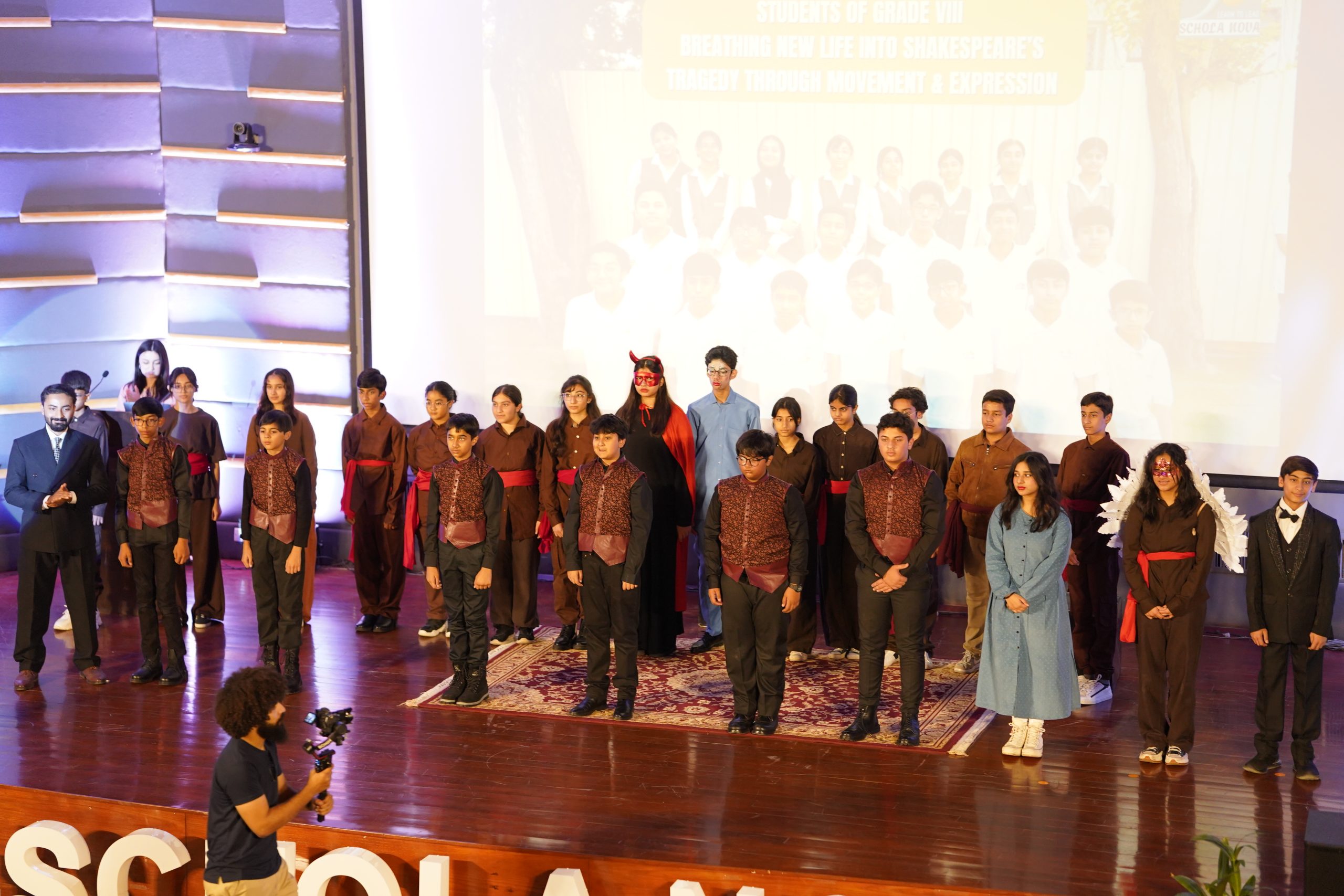
Schola Nova’s Annual Drama Festival 2025 brought these iconic words to life in the most vibrant and meaningful way. More than an event, it was a tribute to imagination, courage, community, and the lifelong learning that defines the Schola Nova experience.

The Stage as a Transformative Classroom

At Schola Nova, performing arts are not an extracurricular luxury; they are an essential part of holistic education. We see the stage as a powerful learning space where students discover their voice, embrace confidence, and learn the value of collaboration.

Our philosophy echoes the ideas of some of the most influential thinkers in education and psychology. Sir Ken Robinson, a global advocate for creativity in learning, reminds us, “Creativity is as important in education as literacy.” Lev Vygotsky, a pioneer in child development, highlighted the role of dramatic play by stating, “In play, a child behaves beyond their daily self — a head taller than they are.” Howard Gardner, known for the Theory of Multiple Intelligences, emphasized that schools must cultivate all forms of intelligence, not only linguistic and mathematical abilities.

Drama nurtures emotional expression, empathy, creative thinking, and resilience. These abilities are now considered essential for success in modern life. For our students, the festival was not only a performance; it was an experience where character was strengthened and creativity was awakened.

Academic Excellence with a Creative Edge

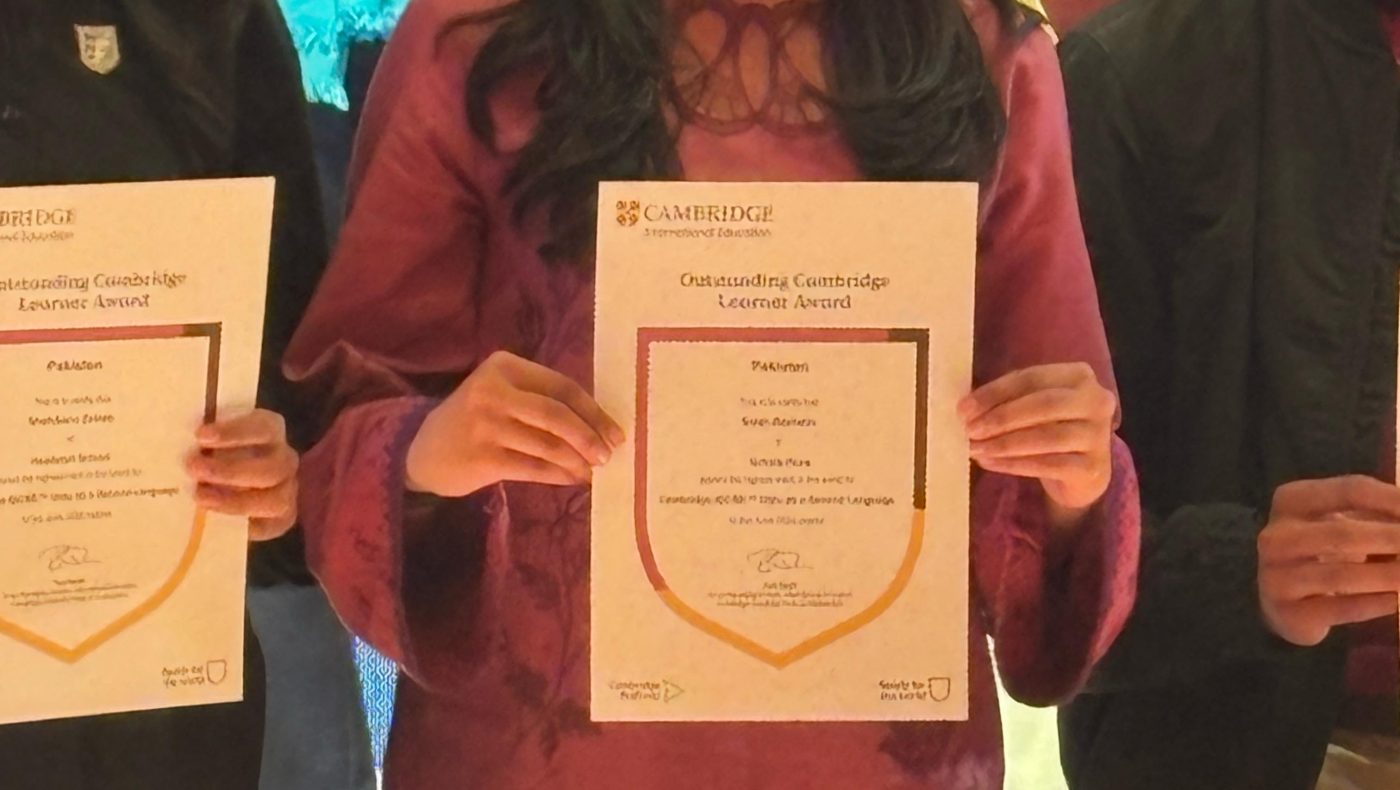
For more than 27 years, Schola Nova has been recognised as a leading institution in Islamabad, known for its balanced learning, strong values, and commitment to academic brilliance. Our Cambridge IGCSE results continue to shine, with 94 percent A grades and yet another World Distinction earned in 2025.

However, academic achievement at Schola Nova extends far beyond numbers and grades. We believe in what John Dewey taught the world: “Education is not preparation for life; education is life itself.” Albert Einstein also reminded educators everywhere that “Imagination is more important than knowledge.” By integrating creativity with academic excellence, we prepare students who excel in examinations while also remaining curious, confident, and compassionate.

A Community United by Creativity

This year’s Drama Festival stood out because it was a collective effort of students, teachers, and families working together. Every script, costume, rehearsal, and performance carried its own story of practice, passion, and dedication. Nelson Mandela’s timeless words ring true here: “It takes a village to raise a child.”

The auditorium echoed with cheers of encouragement, each one strengthening our young performers and lifting their confidence. The festival showed how beautifully a community can come together to support children in their journey of growth and expression.

We extend heartfelt gratitude to our parents for their trust and unwavering support, and to our teachers whose guidance continues to inspire excellence in every child.

The Schola Nova Spirit

At Schola Nova, every opportunity—whether academic, artistic, or social—is designed to help students stand tall, speak confidently, and pursue their dreams. Brené Brown, a leading researcher on courage and authenticity, reminds us, “Courage starts with showing up and letting ourselves be seen.” Every child who stepped on stage embodied this courage. Every performance reflected growth, confidence, and the joy of self-discovery.

As the curtain closes on this year’s festival, what remains is not only the memory of the performances but the journey of becoming. The creativity, the courage, the teamwork, and the moments of learning all come together to create the Schola Nova spirit.

Discover Schola Nova

Schola Nova is more than a school. It is a community where learning comes alive, creativity thrives, and every child is encouraged to shine. To learn more about our programs, admissions, or educational philosophy, please visit our website or contact the school office.

A Day in the Life at Schola Nova

Through the Eyes of a Student and a Teacher

At Schola Nova, every day begins not just with the ringing of a bell, but with a sense of purpose. Whether it’s a curious student stepping into class or a passionate teacher preparing for the day ahead, the energy is unmistakable: this is a place where learning is alive, and every moment matters.

From the Student’s Perspective: Zara, Grade 6

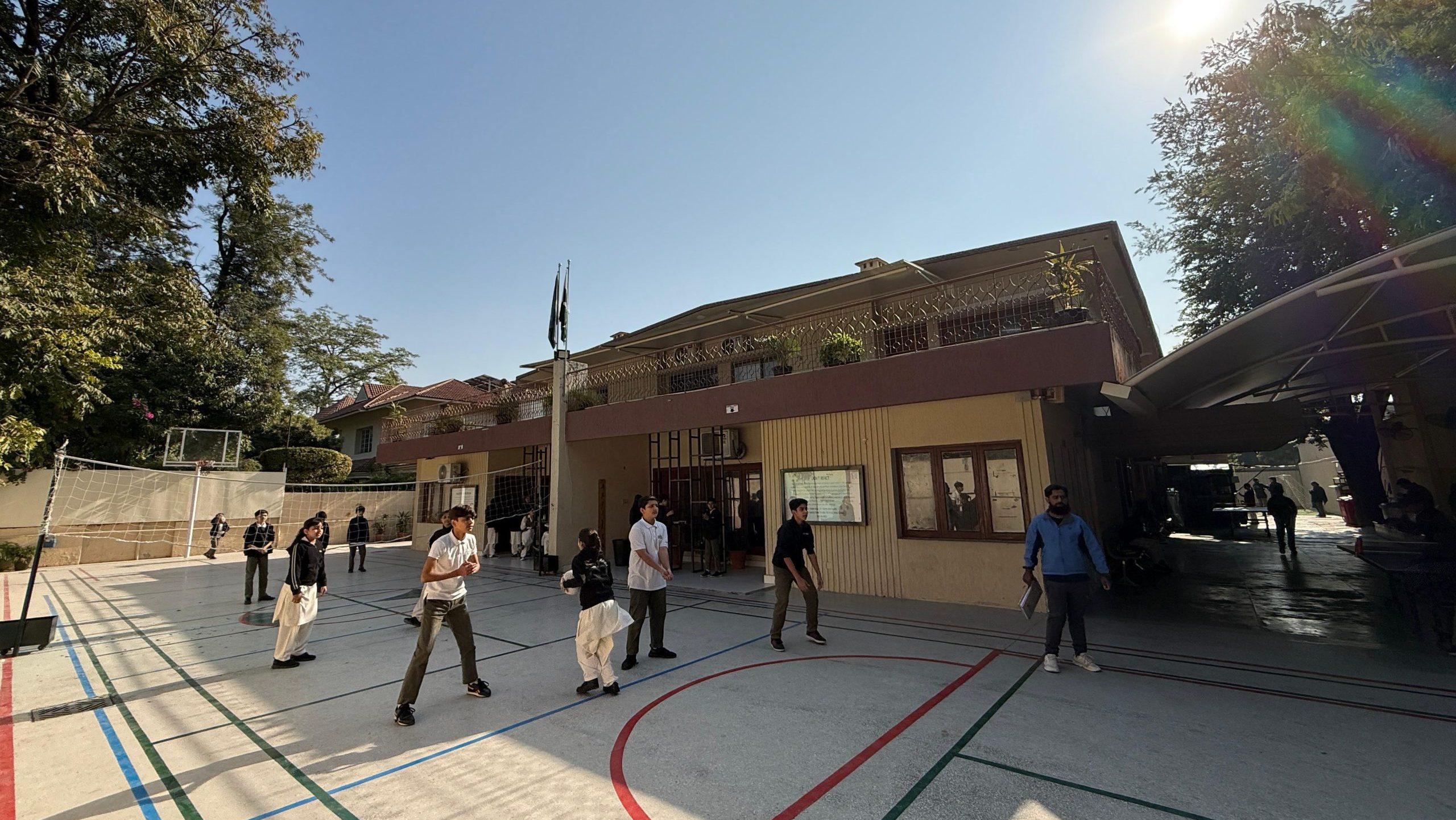
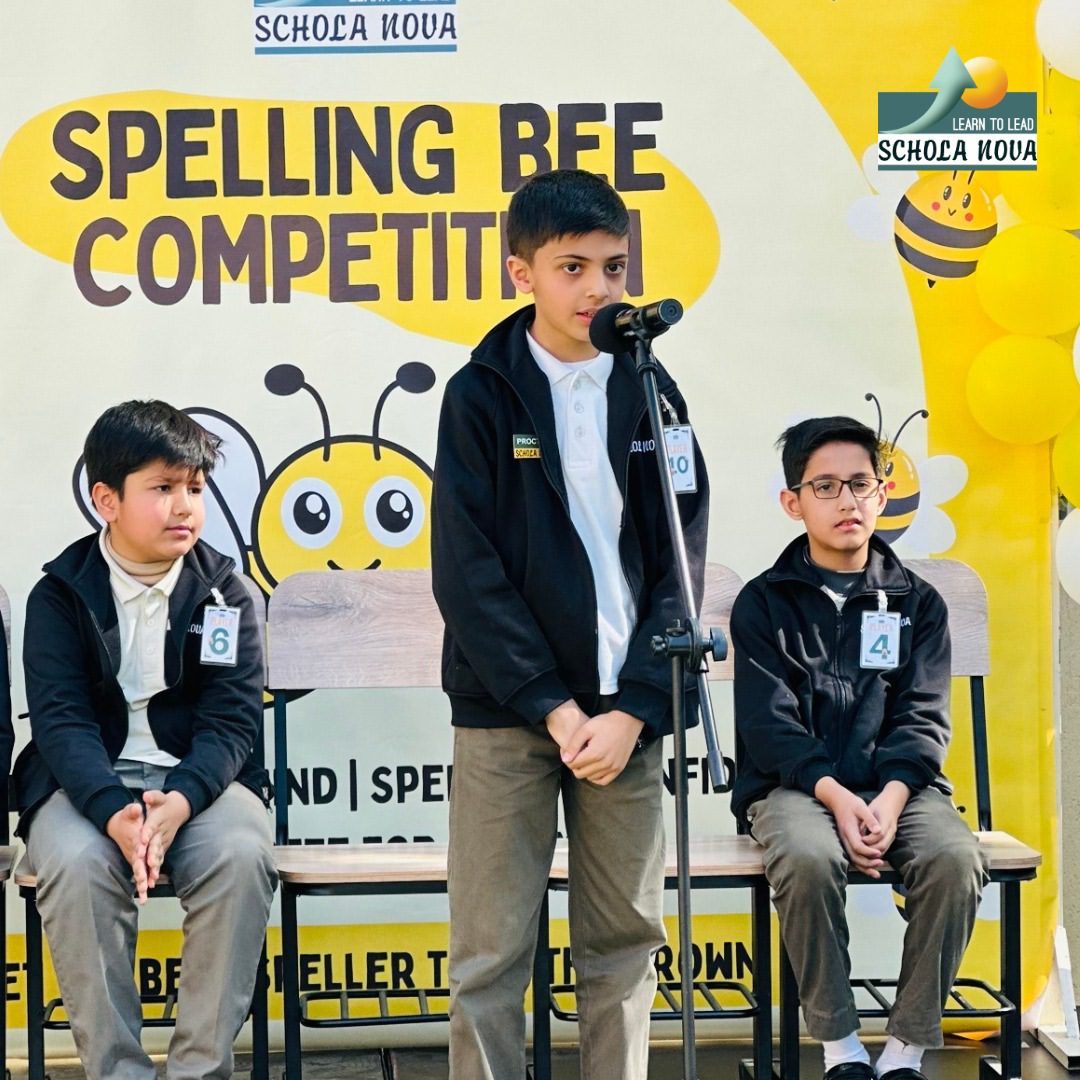
I arrive at school just before 8:00 AM, greeted by the familiar smiles of my friends and the warm “Good morning!” from our gate staff. The courtyard buzzes with excitement some students are rehearsing for the drama festival, others chatting about yesterday’s spelling bee. I feel proud to be part of a school where every talent is celebrated.

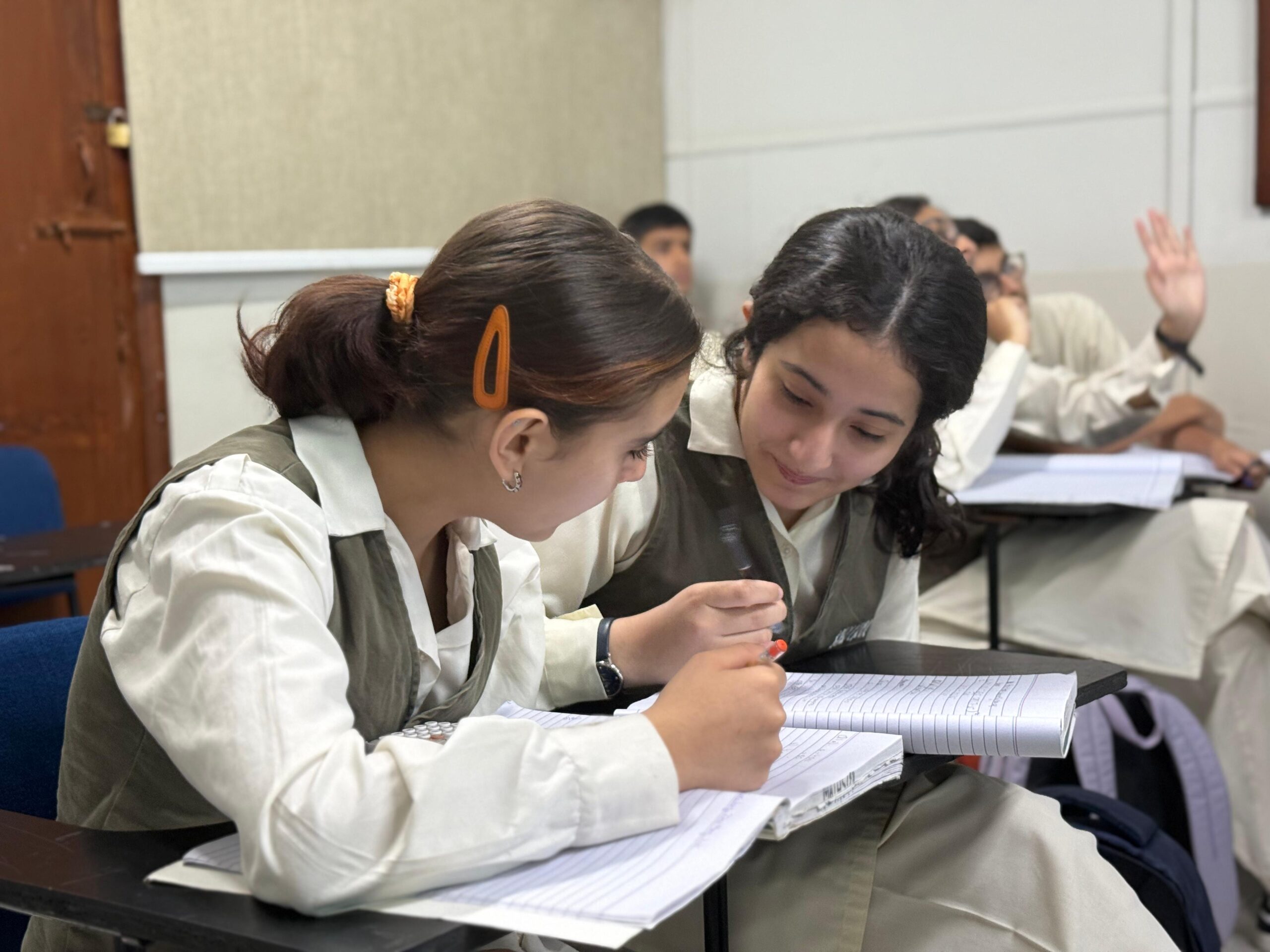
Our first period is English, and today we’re exploring persuasive writing. Ma’am Saadia reads us a sample letter, and we discuss how tone can shape a message. I raise my hand to share an example from our recent school newsletter; yes, the one that went out to parents! It feels amazing to know our work is valued beyond the classroom.


Break time is a whirlwind of laughter, snacks, and planning for the upcoming Vexillology competition. I am designing a flag that represents unity and courage two things I have learned a lot about here.

By the time we reach our afternoon science lab, I am still energized. We are building simple circuits today, and our teacher lets us experiment freely. “Mistakes are part of learning,” she reminds us. That’s something I have come to believe deeply at Schola Nova.

As the day ends, I pack my bag with a sense of accomplishment. Tomorrow brings new challenges—but here, I know I’ll be ready.

From the Teacher’s Perspective: Mr. Mukarram, Middle School Faculty

My day begins before the students arrive—with a quiet walk through the corridors, checking displays, and reviewing my lesson plans. I pause at the bulletin board showcasing student achievements. A recent academic distinction, a heartfelt thank-you note from a parent—it’s a reminder of why we do what we do.

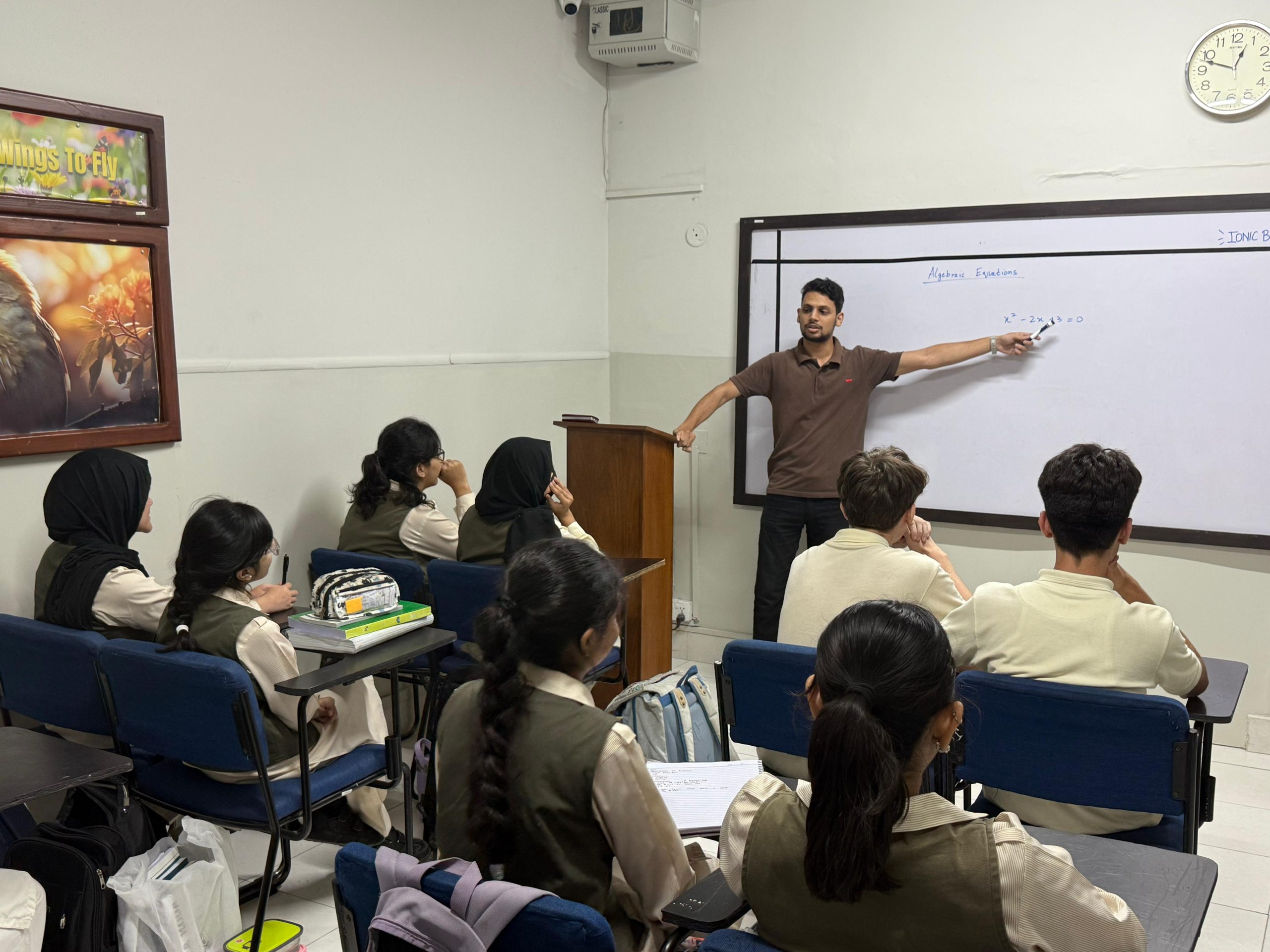
First period is Math, and I am introducing a new concept. I have prepared a hands-on activity to make it stick, and the students dive in with enthusiasm. Their questions are sharp, their curiosity genuine. It’s not just about formulas—it’s about critical thinking.

Midday brings a faculty huddle. We discuss upcoming events, share ideas, and celebrate small wins. There’s a spirit of collaboration here that’s rare—teachers lifting each other up, always focused on what’s best for the students.

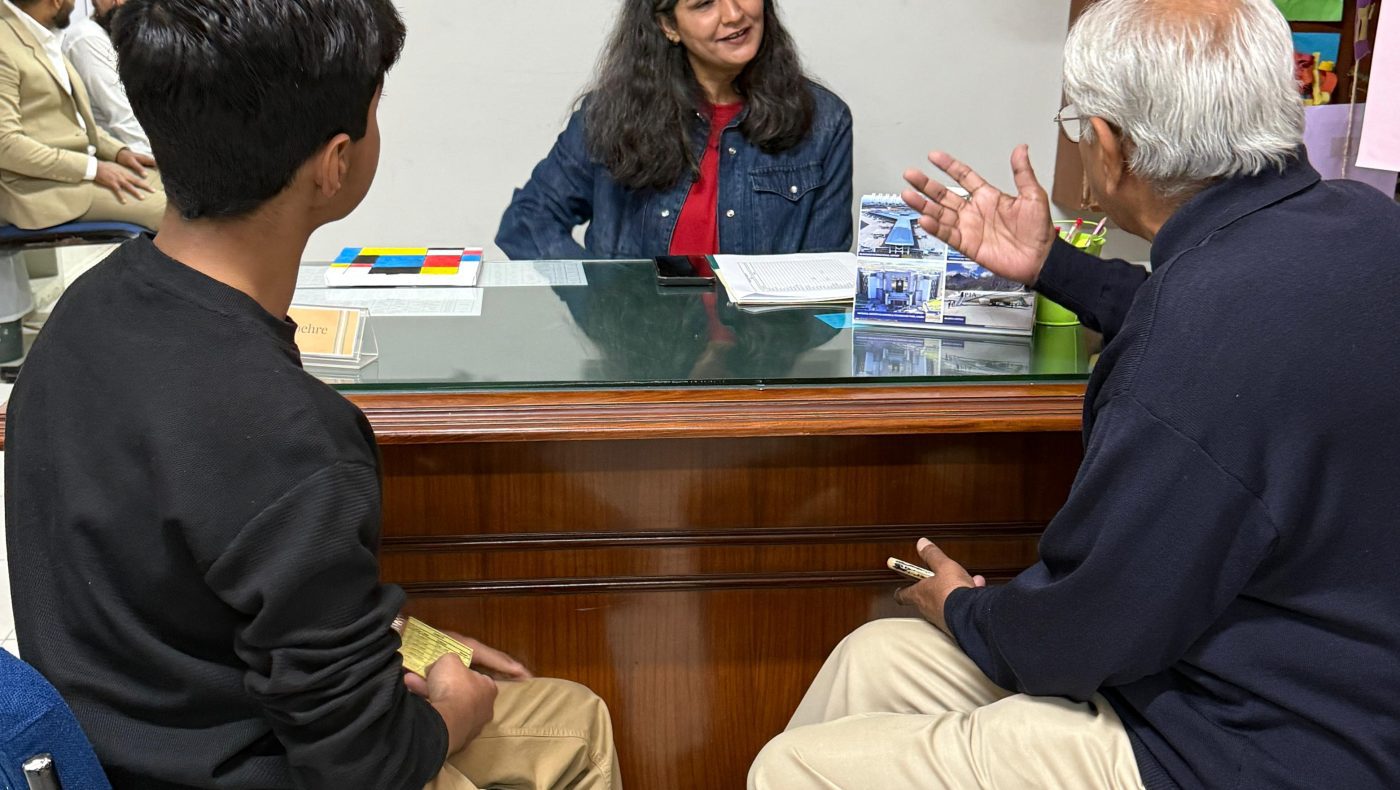
Later, I meet with a parent who’s new to the school. We talk about expectations, routines, and how we nurture not just academic growth but emotional wellbeing. I explain our communication philosophy: clear, inclusive, and values-driven. The parent leaves reassured—and I feel proud of the trust we have built.

As the final bell rings, I walk out knowing that today wasn’t just another day—it was a step forward in a shared journey of excellence.

What Makes Schola Nova Special?

At Schola Nova, every day is a blend of structure and celebration, rigor and warmth. Whether it’s a spelling bee, a science experiment, or a heartfelt conversation, we believe in nurturing the whole child—and supporting every teacher who makes that possible.

This is more than a school.
It’s a community.
It’s a culture.
It’s a place where learning feels like belonging.

From Struggles to Distinctions: How Schola Nova Nurtures Every Learner


From Struggles to Distinctions: How Schola Nova Nurtures Every Learner


At Schola Nova, we believe that every child carries within them the potential to succeed not just in academics, but in life. Success, for us, is not limited to high grades or prestigious university placements. It is also about confidence, resilience, creativity, and character.

Our philosophy rests on the principle that every learner is unique. Some students excel quickly, while others require more time, repetition, or encouragement. Some thrive in structured lessons, while others blossom when given creative freedom. Recognizing these differences is what makes Schola Nova’s approach distinctive.

That is why we have built a culture that emphasizes remedial support, one-on-one attention, differentiated instruction, challenges for high achievers, and Academic Quests. Together, these strategies ensure that no student is left behind and every student is lifted forward.


  1. Remedial Support: Bridging Gaps, Building Confidence

Every teacher knows the quiet worry of a student struggling to keep up the hesitation before answering a question, the reluctance to attempt a problem on the board, the fading enthusiasm for a subject once loved. At Schola Nova, we see these signs not as failures but as opportunities for timely intervention.

Our Remedial System

  • Identifying Needs: Through continuous assessments, teacher observations, and parent feedback, we identify students who may be falling behind.
  • Tailored Plans: Once identified, students are given remedial lessons in Mathematics, English, or Urdu, depending on the area of concern.
  • Individualized Materials: Teachers prepare customized worksheets, practical exercises, and guided revision tasks for these learners.


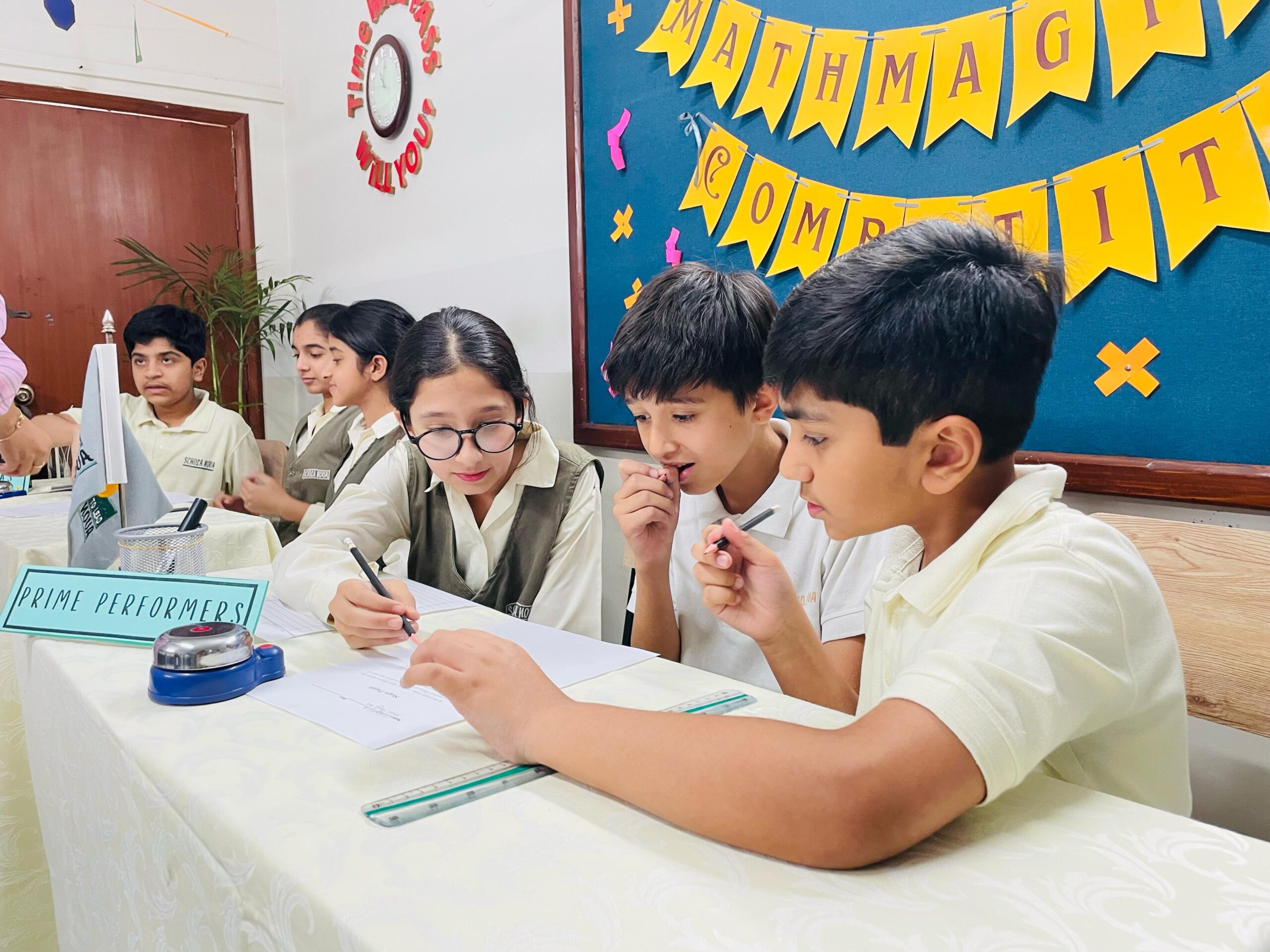
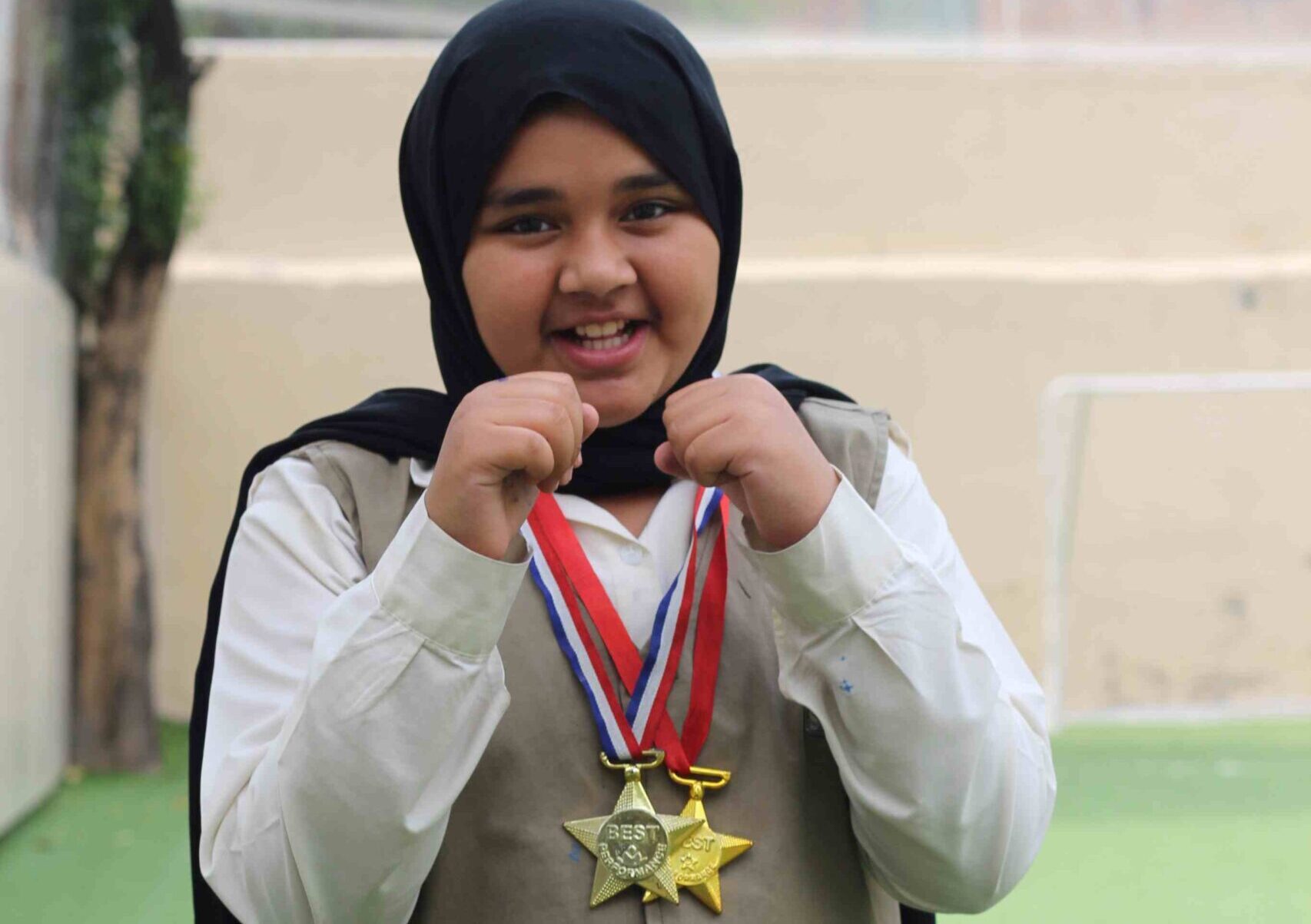
In Grade V last year, one student struggled persistently in Math. Despite regular lessons, her confidence was low, and she began avoiding Math altogether. Recognizing this, the school arranged remedial classes three times a week. By the end of the term, not only had she mastered fractions, but she was also one of the top scorers in the Math Magician challenge.

This is the power of remedial support it doesn’t just improve marks, it restores confidence and joy in learning.

  1. One-on-One Attention: Every Child Matters

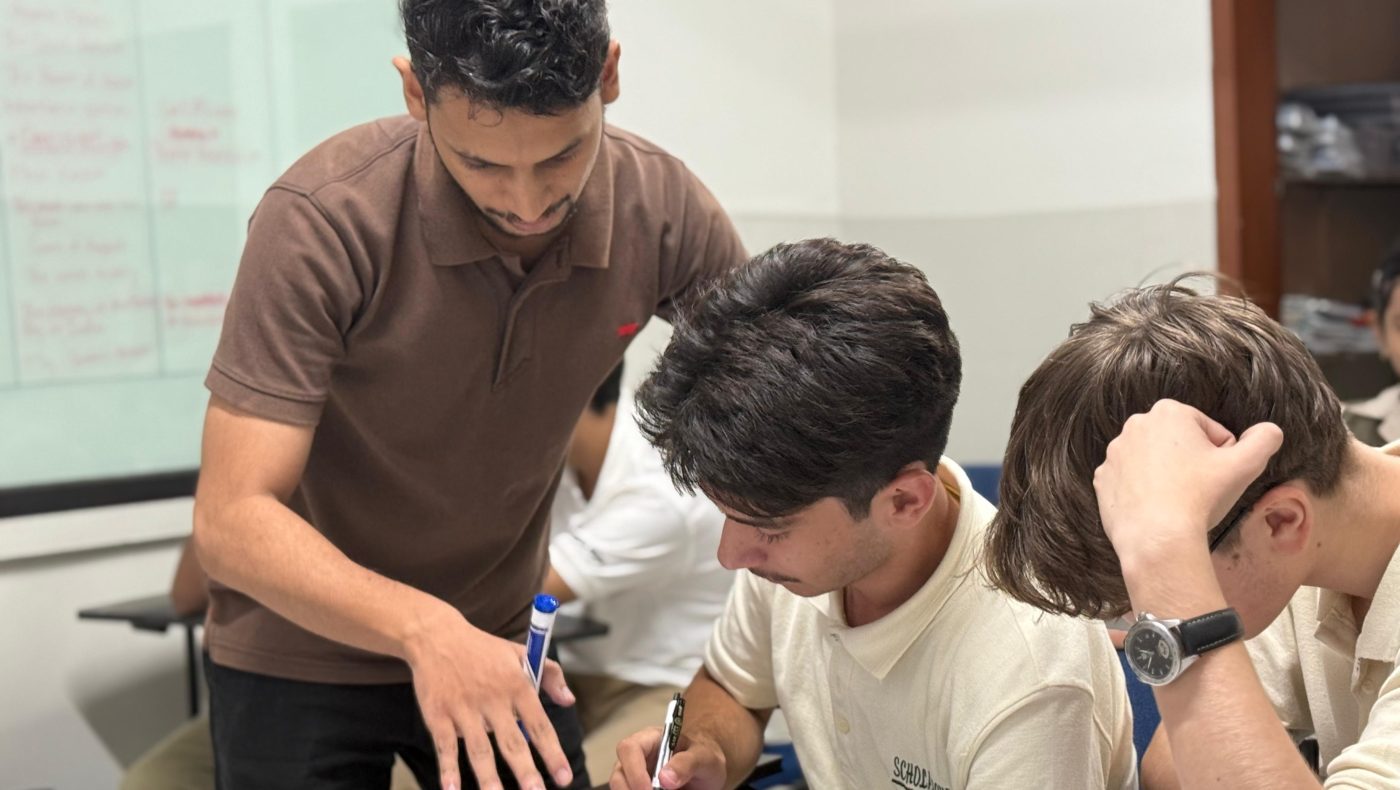
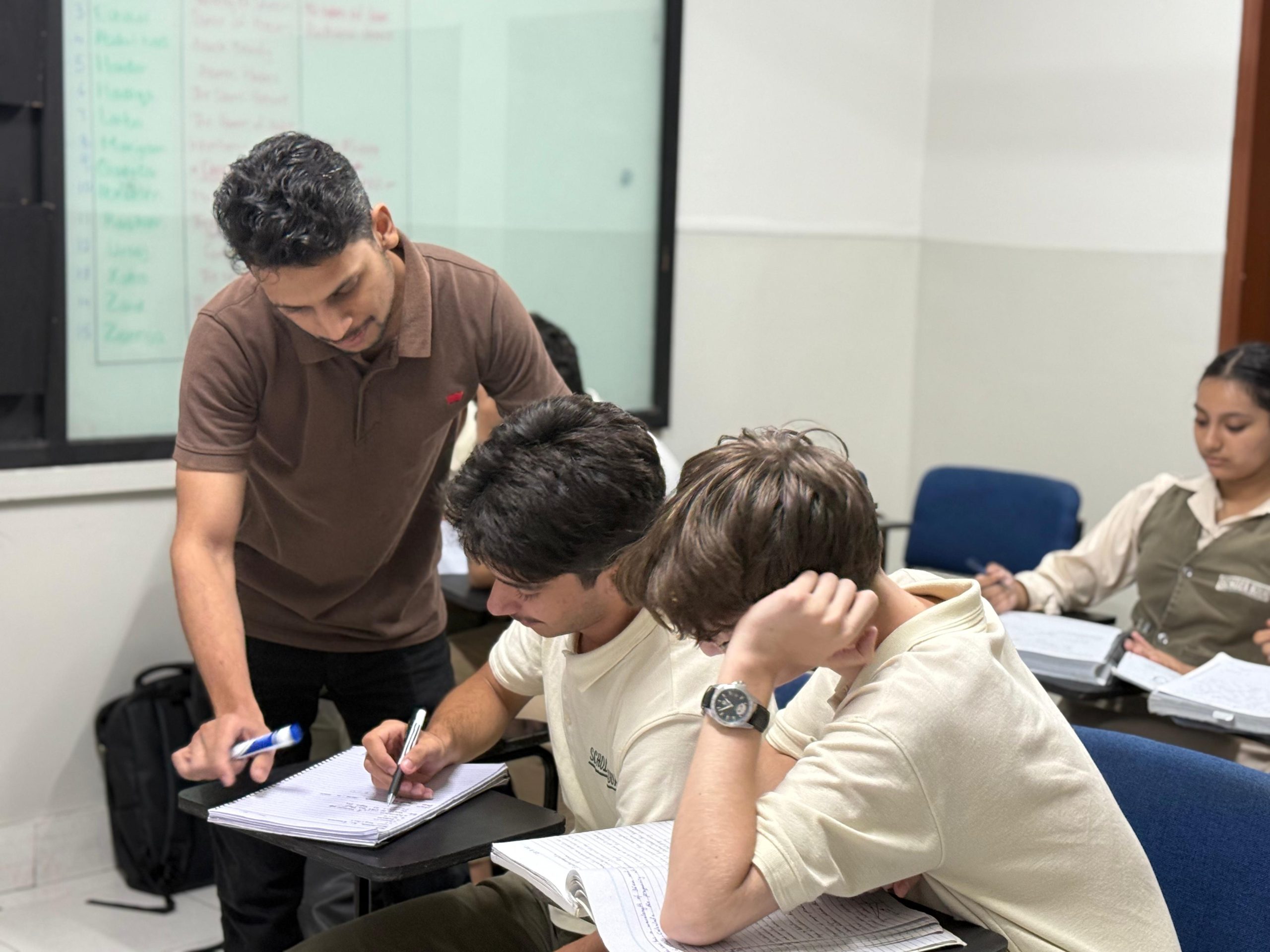
In many schools, students can feel lost in the crowd. At Schola Nova, our smaller class sizes and close-knit community ensure that every child is seen, heard, and supported.

Why It Matters

Research shows that one-on-one teacher attention can boost academic performance, but more importantly, it builds self-belief. When a student feels that their teacher truly knows and cares about them, they are more willing to take risks, ask questions, and persevere.

How We Provide It

  • Small Class Sizes: Our student–teacher ratio allows educators to notice and address individual struggles quickly.
  • Mentoring Time: Teachers dedicate extra minutes before or after school, or during free lessons, to guide students personally.
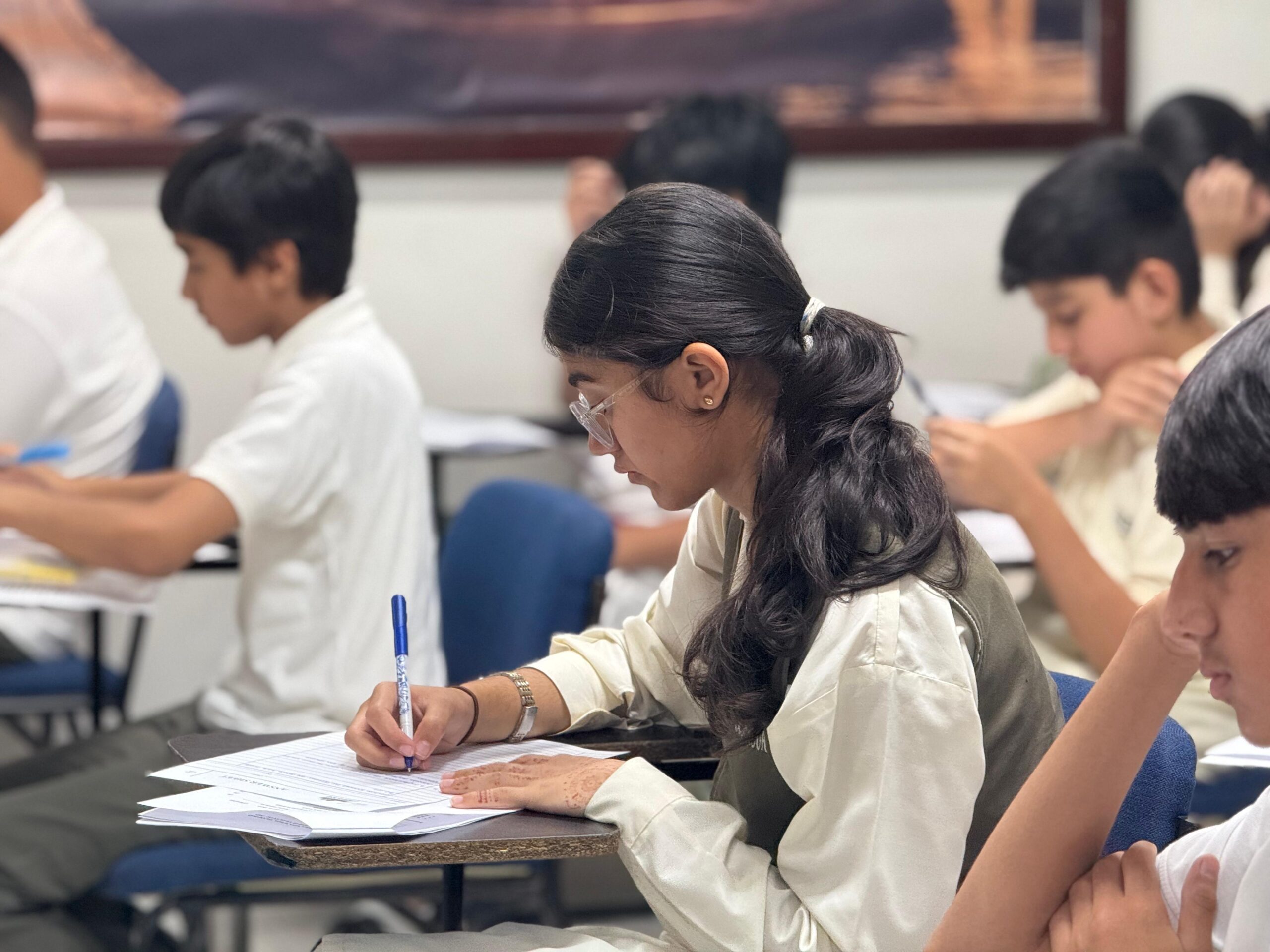
  • Exam Preparation: Before CAIEs, students receive individual feedback sessions, where teachers help them craft personal study strategies.

One parent recently shared:

“My son was always shy in class. But at Schola Nova, his teacher spent extra time with him after school, gently encouraging him. Today, not only are his grades better, but he confidently takes part in class discussions. The personal attention made all the difference.”

At Schola Nova, students are not numbers they are individuals. This is why one-on-one attention is central to our teaching philosophy.


  1. Nurturing High Achievers: Preparing for Distinctions

Supporting student success also means recognizing and cultivating the talents of our high achievers and gifted learners. These students often master concepts quickly and need extra levels of challenge to stay engaged and continue growing.

How We Challenge Them

  • Advanced Assignments: High achievers are given deeper, more complex tasks that go beyond the textbook. For example, while the class works on solving equations, gifted learners might explore applications in real-life problem-solving or higher-level mathematics.
  • Close Mentorship: Teachers provide additional one-on-one mentoring sessions for students showing distinction potential in CAIE subjects. They receive targeted guidance on exam techniques, essay structuring, and advanced content.

Prepping for Distinctions in CAIE

Our track record of students achieving distinctions in CAIE exams reflects this approach. High achievers undergo:

  • Rigorous Revision Cycles with personalized feedback.
  • Practice Exam Sessions designed at a higher level of difficulty than standard past papers.
  • Focused Time Management Coaching, since distinction often comes down to precision and efficiency.


By providing these extra levels of challenge and close training, Schola Nova ensures that gifted learners are not simply maintained at their level — they are pushed to excel, mentored to aim higher, and prepared to achieve international recognition.


  1. Academic Quests: Turning Learning into Adventure

Learning should never be boring. That’s why at Schola Nova, we transform academic challenges into quests of discovery.

What Are Academic Quests?

Academic Quests are inter-disciplinary, activity-based experiences where students apply classroom knowledge in exciting, real-world contexts.

  • Spelling Bee: Building vocabulary and confidence in English.

  • Math Magician: Making numbers fun through problem-solving challenges.

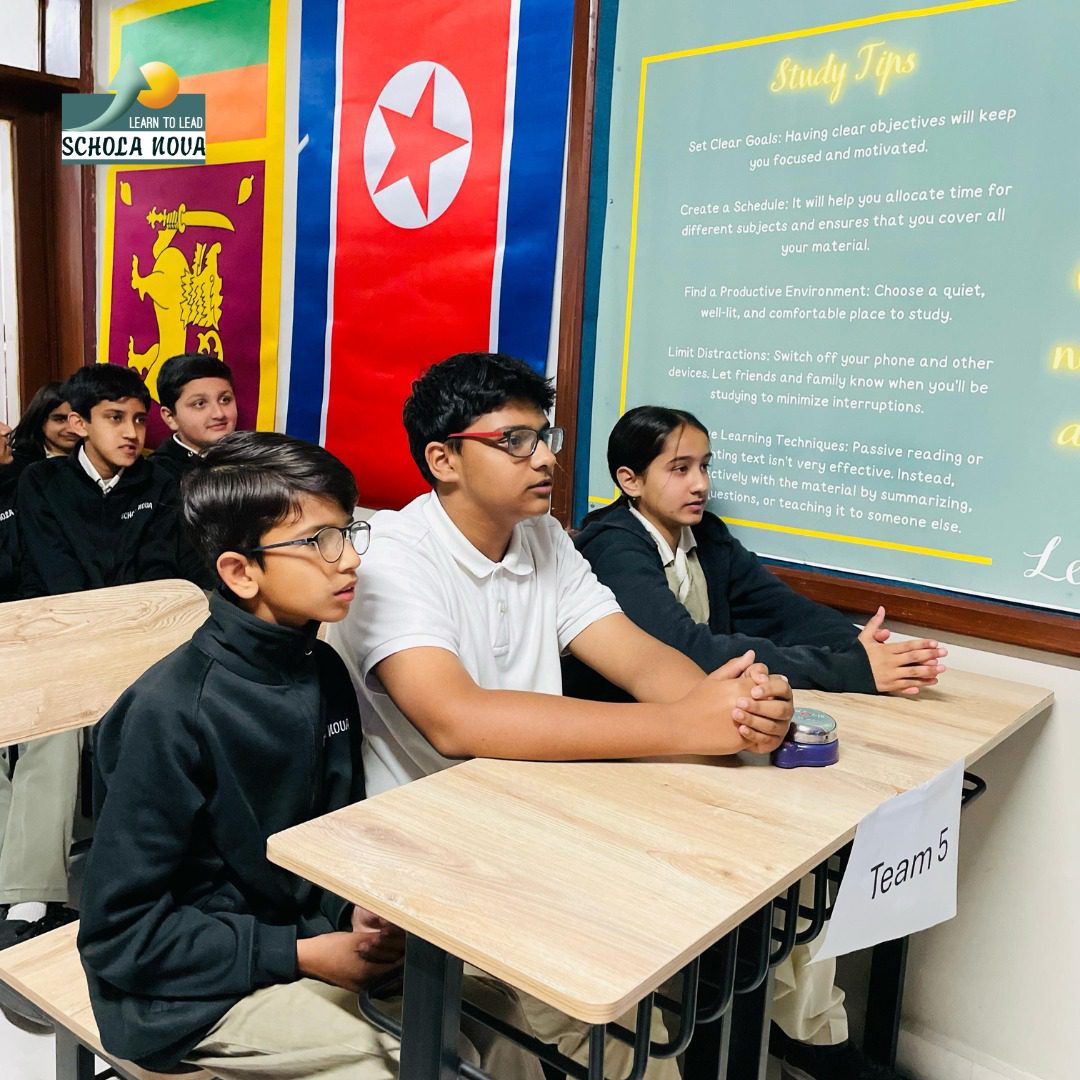
  • Vexillology: Knowledge of Flags

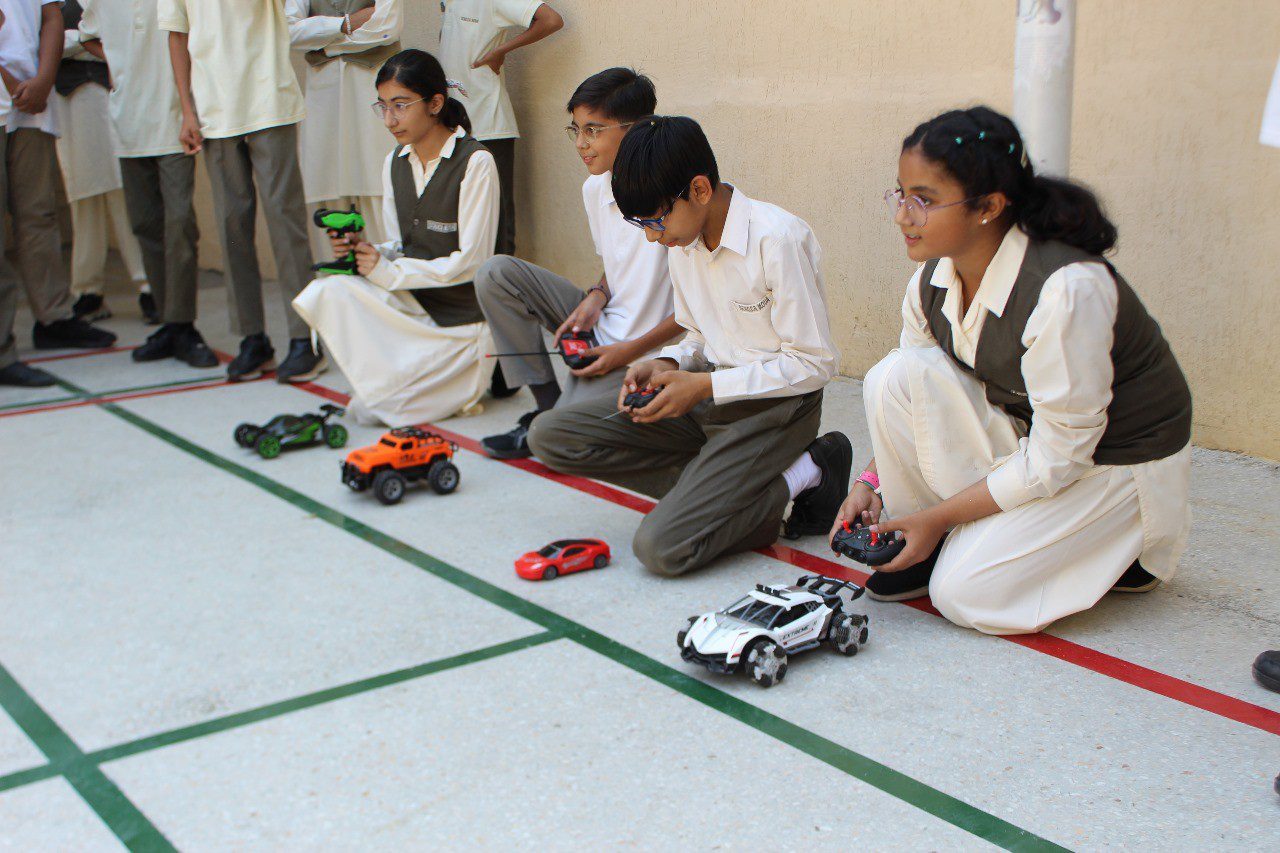
  • STEAM Projects: Blending science, technology, engineering, arts, and mathematics into creative solutions.

Why They Work

Academic Quests develop critical thinking, problem-solving, creativity, and teamwork. More importantly, they ignite a passion for learning.

By turning academics into adventures, Schola Nova ensures that learning is not just about memorization but about curiosity, innovation, and real-life application.


  1. Differentiated Instruction: Teaching Every Child at Their Level

No two students learn in exactly the same way — and at Schola Nova, our teachers are trained to embrace this diversity.

Our Approach

  • Flexible Lesson Planning: Teachers prepare lessons with multiple entry points so every child can engage.
  • Varied Teaching Methods: Visual aids, group discussions, role play, hands-on projects, and technology integration.
  • Inclusive Assessment: Students are given choices in how they demonstrate learning  essays, presentations, models, or creative projects.

Inclusivity in Exams

Through our collaboration with the British Council, students with learning difficulties receive exam accommodations such as extra time, breaks, or modified papers. This ensures fairness and inclusivity.

  1. Emotional Support and Mentoring: Because Success Is Holistic

At Schola Nova, we understand that academics are just one part of student success. A child who feels stressed, anxious, or unsupported emotionally cannot reach their full potential.

How We Support Emotional Well-Being

  • Open-Door Policy: Students are encouraged to speak with teachers or counselors whenever they feel overwhelmed.
  • Confidence Building: Regular assemblies, debates, and class presentations help students build self-esteem.
  • Exam Stress Management: Before CAIEs, workshops are held on time management, stress reduction, and positive study habits.


  1. Celebrating Success in Every Form

At Schola Nova, success is not confined to report cards. It includes academic victories, personal growth, and values lived every day.

  • Academic Excellence: Our students consistently deliver outstanding CAIE results, proving that our methods work.
  • Personal Growth: Students learn leadership through prefectships, teamwork through sports, and resilience through challenges.
  • Community Recognition: We celebrate every milestone — whether it’s winning an inter-school debate or a quiet moment of kindness observed by a teacher.

As one teacher beautifully puts it:

“At Schola Nova, we don’t just teach students. We celebrate them for who they are becoming, as much as for what they are achieving.”


Supporting student success is not a single program or policy it is a culture. At Schola Nova, we ensure that:

  • Remedial support bridges learning gaps.
  • One-on-one attention ensures every child feels valued.
  • High achievers receive the extra push to aim for distinctions.
  • Academic Quests spark curiosity and passion.
  • Differentiated instruction respects diverse learners.
  • Emotional mentoring builds resilience and confidence.

Together, these elements create an environment where every learner has the chance to thrive.

At Schola Nova, we don’t just prepare students for exams — we prepare them for life.

Because here, success belongs to every child.